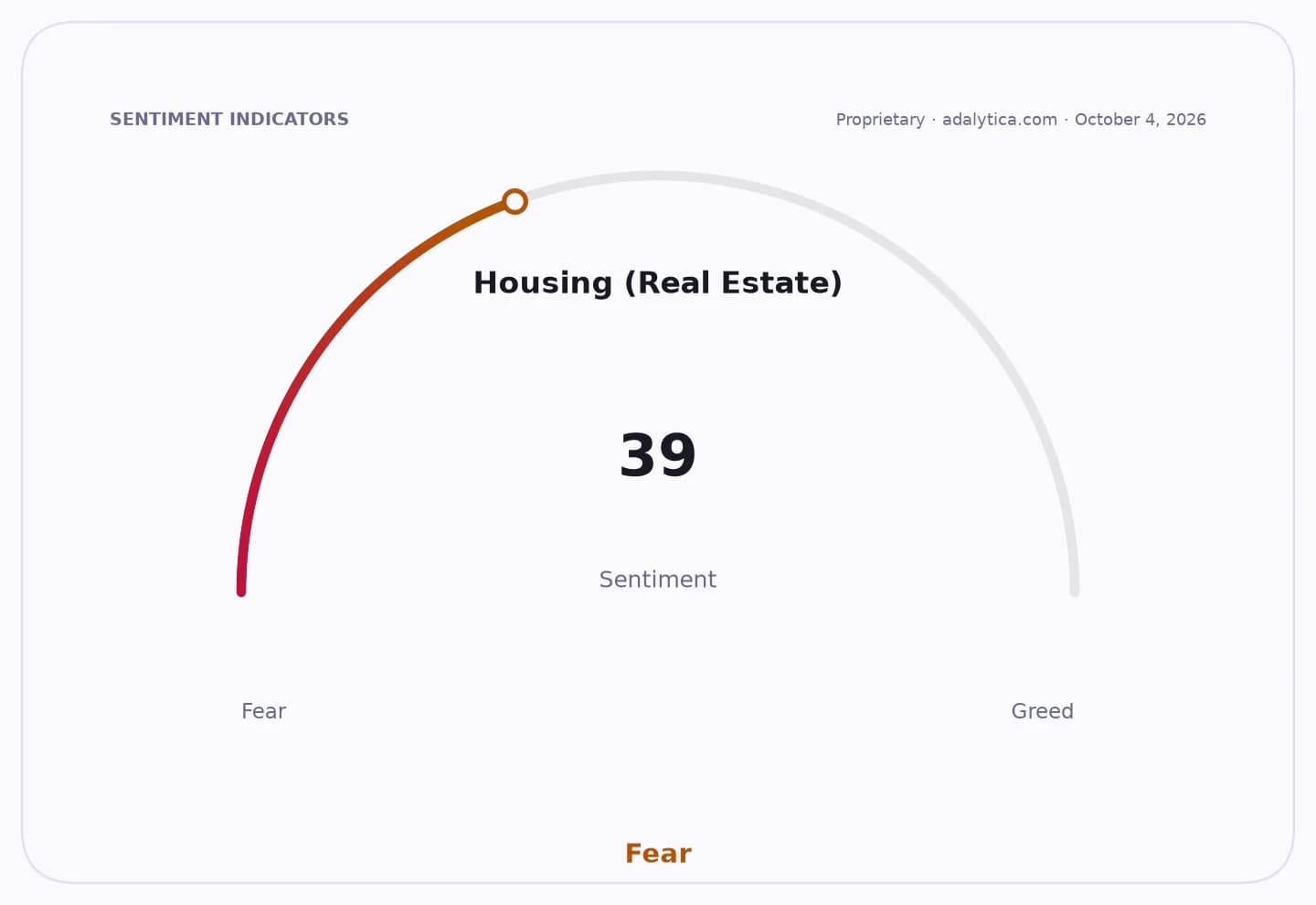
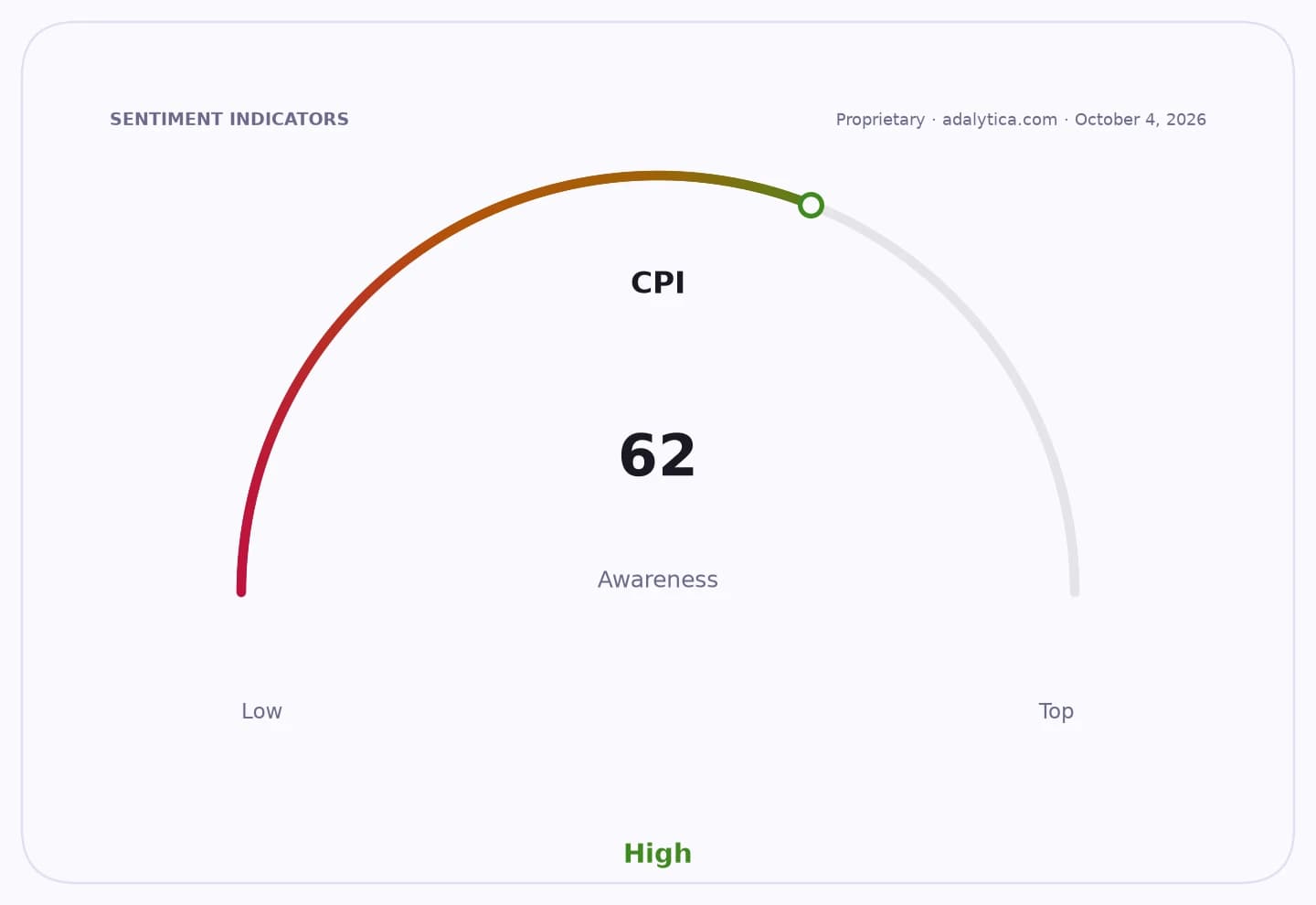
Traditional price and volume data has become less effective at capturing market emotions with the rise of algorithmic trading, making tools like the VIX or CNN Fear & Greed Index less reliable. Meanwhile, surveys and opinion polls, such as AAII Sentiment or Bernstein DSI, are often slow and costly. To overcome these challenges, Adalytica has pioneered a new approach with its Fear & Greed Index, utilizing Artificial Intelligence (AI) and sentiment analysis to measure investor sentiment. By pulling data from both social media and legacy media, this method offers a more comprehensive view of public sentiment and interest.
Adalytica’s Fear & Greed Index stands out not only for its innovative method of measuring emotions but also for its proprietary data sourcing and curation process. Before the data is analyzed by AI models, it undergoes a thorough cleansing to remove duplicates, corrupted data, and bot activity, aiming to reflect the emotions of real people.

Adalytica’s language models assign sentiment scores ranging from -1 to +1, where the sign indicates whether the sentiment is negative or positive, and the magnitude reflects the intensity. These models are capable of interpreting content in multiple languages, offering broad global insights.
The output is a score from 0 to 100:
- 0-30 indicates fear.
- 31-60 is neutral.
- 61-100 shows greed.
Beyond traditional market areas, Adalytica also offers tailored Fear & Greed Indexes for topics like the oil, gold, or cryptocurrency. Each index is built with data specific to that topic, ensuring that only the relevant information is included. This technology is independent of price quotes, volume data, or other strictly market-related information, allowing for limitless possibilities in measuring sentiment on a variety of topics.
For example, Adalytica can pioneer thematic indices such as the Trump Fear Index or the Geopolitical Risk Index, allowing users to track sentiment around political events or global risks that influence markets. In the past, such data could be collected only through expensive, and slow surveys or opinion polls.
By pioneering AI-driven sentiment analysis and combining it with proprietary data sourcing, Adalytica has developed an unbiased, transparent, and free tool for measuring sentiment across a wide range of topics. This powerful resource offers investors, analysts, and experts accurate insights to guide their decisions. In our case studies, we demonstrate how this approach can enhance returns when investing in commodities.