Acre Campaign Puts Jobs and Skills at Center

Mailza and Jéssica’s third campaign program puts Acre’s labor market at the center of the election, pitching qualification, entrepreneurship and digital inclusion as the fastest route to broader income gains in a state that wants to keep workers from leaving for richer regions.
That matters economically because the proposal is less about campaign branding than about addressing a familiar development problem: thin job creation, weak productivity and a narrow base of formal opportunities. By promising a technology hub, targeted credit for women and a shortened work schedule for older workers, the ticket is arguing that growth in Acre will come from raising employability and expanding participation, not from waiting for large-scale industrial investment.
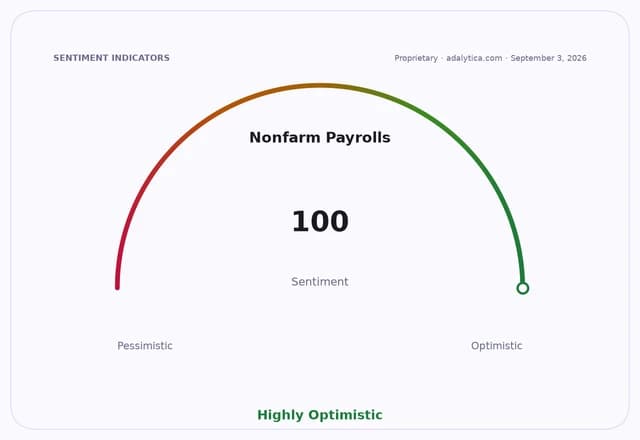
The flagship idea is the Amazônia Digital center, which would train students in artificial intelligence, app development and games through partnerships with universities and institutions in Brazil and abroad. The economic logic is straightforward. If Acre can produce workers with skills that are tradable beyond the local economy, it improves the chances of keeping talent in the state and attracting remote work, startups and service exports. In a region where young people often migrate in search of opportunity, that would be a meaningful change in labor retention and household income.
The plan also ties technology to public-sector efficiency, with digital scheduling, document requests and application tracking on mobile phones. For a state government, that can lower transaction costs, reduce travel and waiting times, and improve access for residents in remote areas. Those gains may be modest individually, but in a low-income state they can have a real effect on labor participation and productivity by cutting the friction that keeps people out of formal activity.
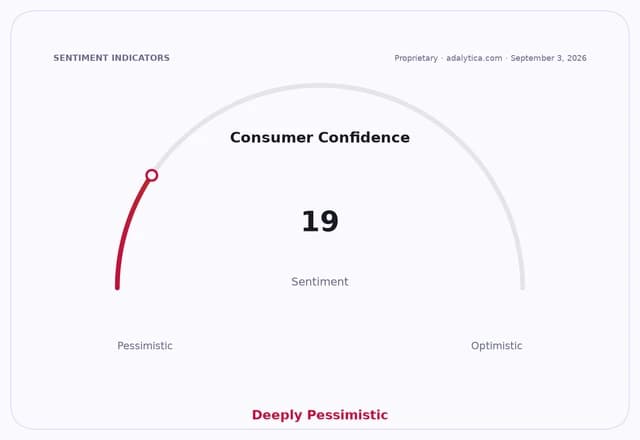
The emphasis on women’s financial autonomy is equally important from a macro standpoint. Expanding training and access to credit for female entrepreneurs can raise labor-force participation and diversify household income, especially in smaller economies where self-employment and microbusinesses are major job channels. Jéssica’s pitch reflects a policy debate that has gained traction well beyond Acre: how to turn inclusion programs into measurable income growth rather than standalone social policy.
The “Experiência Conta” proposal for workers over 60, offering four-hour shifts, points to another structural issue — how to keep older workers engaged without forcing full-time schedules that may exclude them. As populations age, policies that preserve income and use accumulated experience can ease pressure on public support systems while helping firms fill labor gaps. The bear case is that such programs may remain symbolic unless the state can fund them and private employers buy in. The bull case is that even limited hiring incentives can widen labor-market participation in a place with few formal options.
Investors and policymakers should read the program as a bet on human capital rather than infrastructure-heavy development. That makes it potentially more fiscally manageable, but also more dependent on execution, coordination with universities and the private sector, and the state’s ability to deliver digital services that actually work. The real test will be whether these ideas can generate measurable improvements in formal employment, entrepreneurship and skills retention, or whether they stay at the level of campaign rhetoric.
| Entity | Gains | Losses |
|---|---|---|
| Young workers in Acre | ▲Skills and remote-work access | ▼Migration pressure |
| Women entrepreneurs | ▲Credit and training access | ▼Capital constraints |
| Older workers over 60 | ▲Shorter-shift income opportunities | ▼Labor exclusion |
| Local employers/state government | ▲Bigger talent pool, lower service friction | ▼Higher implementation burden |