Adani Power Fault Cuts Bangladesh Supply
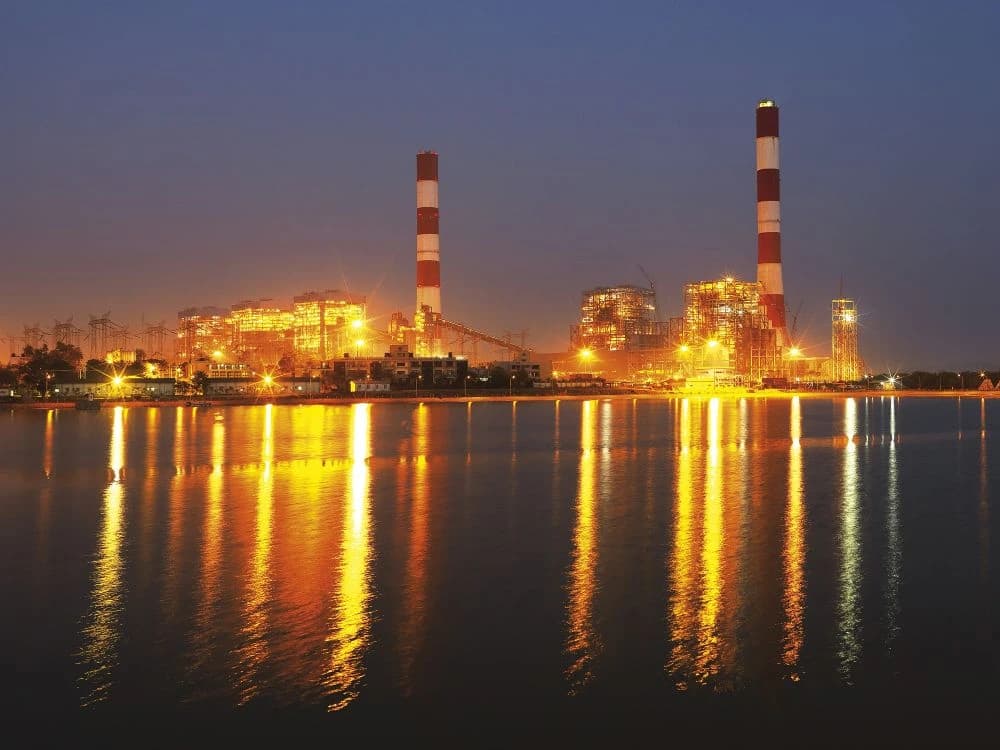
A technical fault at one of Adani Power’s two coal-fired units has cut electricity supply to Bangladesh at a time when the country is already struggling to meet demand, forcing more load-shedding and underscoring how dependent the grid has become on a single imported power source.
That matters because electricity shortages ripple quickly through an economy. When supply dips, factories slow, commercial activity gets disrupted and households absorb the cost in the form of outages. For Bangladesh, which has spent years trying to stabilize power availability after fuel and foreign-exchange strains, another disruption in a major baseload plant is more than a temporary inconvenience — it is a reminder that reliability risk still sits at the heart of the growth story.
The unit outage comes after a separate coal-supply disruption tied to storms had already forced Adani’s Jharkhand plant to cut output earlier this summer. The plant, with 1,600 megawatts of installed capacity, supplies Bangladesh under a 2017 power purchase agreement. With one of its 800-megawatt units down, output has effectively been cut in half, and the amount Bangladesh has been receiving has fallen sharply from the 1,200 to 1,400 megawatts it normally gets to well below 700 megawatts in recent days, according to grid data cited in the report.
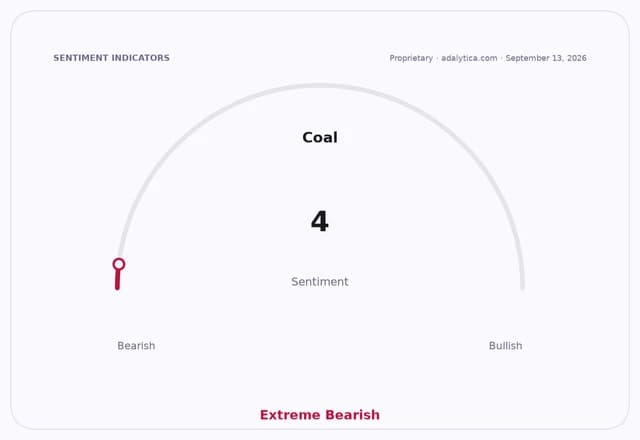
For investors, the story is less about one breakdown than about concentration risk. Bangladesh’s power system has little room for error when a large imported generator falters, and that puts pressure on utilities, industrial users and any business exposed to local demand. It also highlights the importance of maintenance, fuel logistics and cross-border supply chains in the utility sector — the sort of operational details that can look dull until they suddenly move economies.
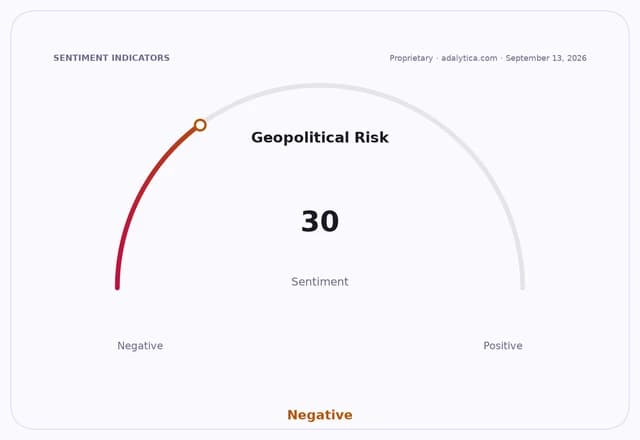
Adani Power’s shares were little changed around the report, but the broader investment takeaway is clear: cash flows from long-term power contracts may look stable, yet they still depend on plants running smoothly and counterparties needing uninterrupted supply. For Bangladesh, the immediate focus is getting the unit back online. For long-term investors, this is another reason to favor diversified exposure to energy and infrastructure rather than betting on one asset or one route to reliability.
The key question now is how quickly the faulty unit can return to service. If repairs are swift, the pressure on Bangladesh’s grid should ease. If not, load-shedding could linger, and the market will keep pricing in the risks of a power system that still has too few spare wheels.
| Entity | Gains | Losses |
|---|---|---|
| Bangladesh grid | ▲Restored supply if repairs are fast | ▼More outages and economic drag |
| Adani Power | ▲Full unit recovery and stable output | ▼Reputation and near-term supply reliability |
| Industrial users in Bangladesh | ▲Fewer interruptions later | ▼Production losses from load-shedding |
| Power import rivals / alternatives | ▲More demand if outages persist | ▼Less urgent need if Adani recovers quickly |