ADP, Manpower, Robert Half Gain on Flexible Work
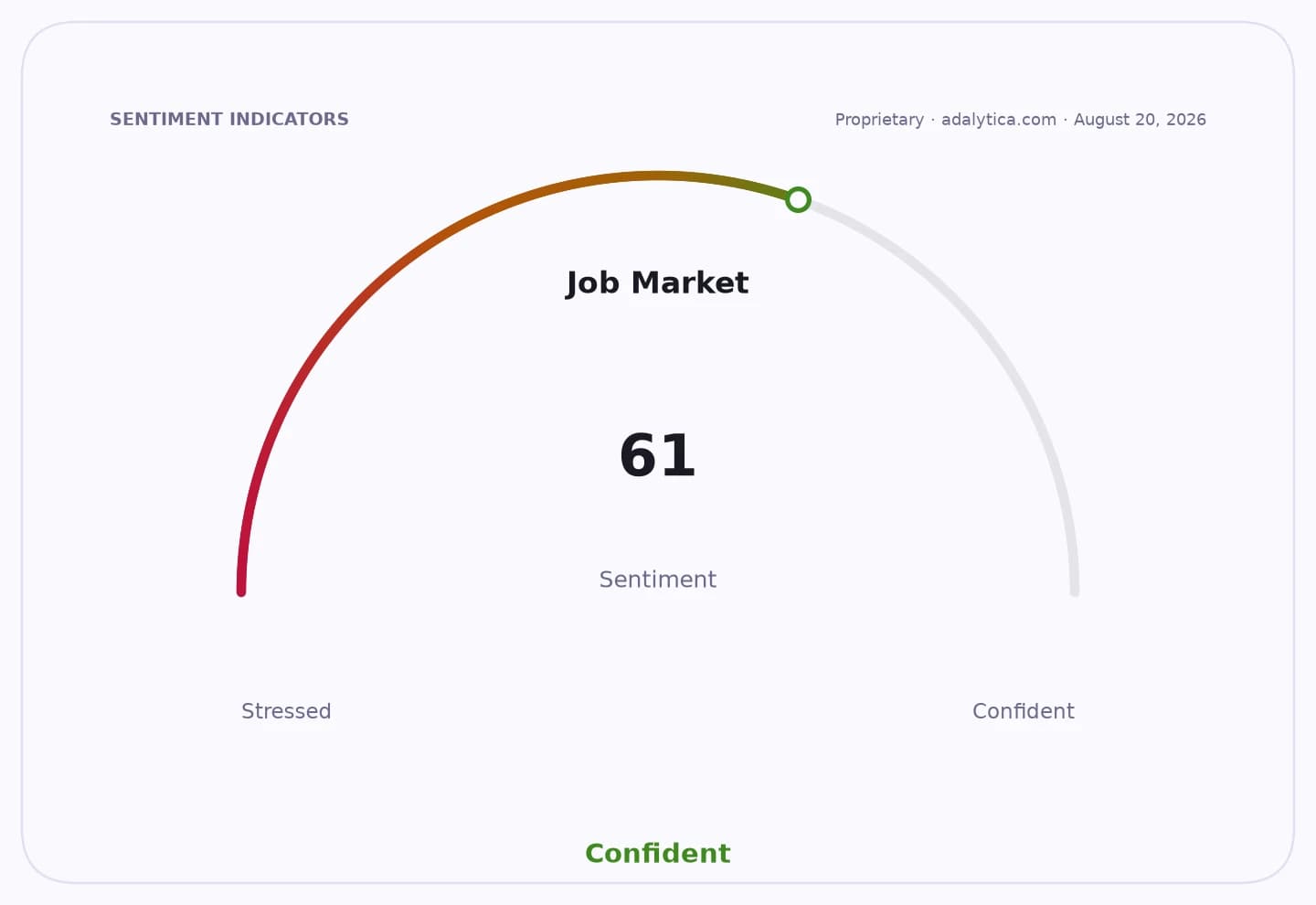
A labor market defined by flexibility, not permanence, is becoming the new normal, and that is creating a durable tailwind for staffing firms, payroll processors and outsourcing platforms.
The latest signals point to a job market that is still generating work, but increasingly through contracts, temporary assignments and platform-based gigs rather than traditional full-time hiring. That matters because when employers hesitate to add headcount, they still need labor, payroll, compliance and benefits infrastructure — and that shifts pricing power toward intermediaries such as ADP, ManpowerGroup and Robert Half.
The macro backdrop helps explain why. U.S. payrolls have held near 158.9 million, unemployment is around 4.1%, and job openings remain elevated at 7.7 million in the latest reading. That is not a recessionary labor market. But it is a slower, more selective one, where companies are leaning on flexible labor to avoid fixed costs while younger workers, especially Gen Z, are increasingly choosing autonomy and side income over a single employer model.
That combination is a structural opportunity for the labor-services complex. ADP, which helps manage payroll and HR outsourcing, has seen its shares rebound sharply and trade well above both the 50-day and 200-day moving averages, a sign that investors are already rewarding exposure to outsourced employment administration. ManpowerGroup and Robert Half have also staged strong recoveries from earlier lows, reflecting a market that is beginning to price in steadier demand for contract talent and staffing services even as permanent hiring remains uneven.
The business case is straightforward. Employers facing uncertainty about growth, margins and labor costs can use contingent workers to stay nimble. Workers facing an expensive, high-pressure economy can use gig work and contract assignments to smooth income. A Bangalore student earning 65,000 rupees in three months as a Rapido captain is anecdotal, but it captures a broader shift: flexible work is no longer a fallback, it is a mainstream earning strategy.
Investors should see the second-order effects. Outsourcing, staffing and payroll platforms become toll roads on labor-market activity regardless of whether companies hire directly or indirectly. If firms continue to keep payroll growth modest while job openings stay healthy, the winners are the companies that sit between employers and workers. That includes ADP in payroll and HR outsourcing, Manpower in contingent staffing, and Robert Half in professional contract talent.
The risk is that a sudden deterioration in consumer demand could hit staffing volumes first. But for now, the more important trend is that flexibility is being institutionalized. Gen Z did not invent it; they are accelerating it. That makes labor intermediaries an underappreciated way to invest in the next phase of the U.S. job market.
For investors, the takeaway is clear: prefer the picks-and-shovels of flexible labor over traditional permanent-hiring plays, and use pullbacks in ADP, MAN and RHI to position for a multi-year outsourcing cycle.
| Entity | Gains | Losses |
|---|---|---|
| ADP | ▲payroll outsourcing demand | ▼direct in-house HR spend |
| ManpowerGroup | ▲contract staffing growth | ▼permanent hiring firms |
| Robert Half | ▲professional temp placements | ▼full-time recruiting revenue |
| Gen Z workers | ▲flexible income options | ▼stable benefits and job security |