AfD Wins Blue-Collar Voters But Not Worker Policy
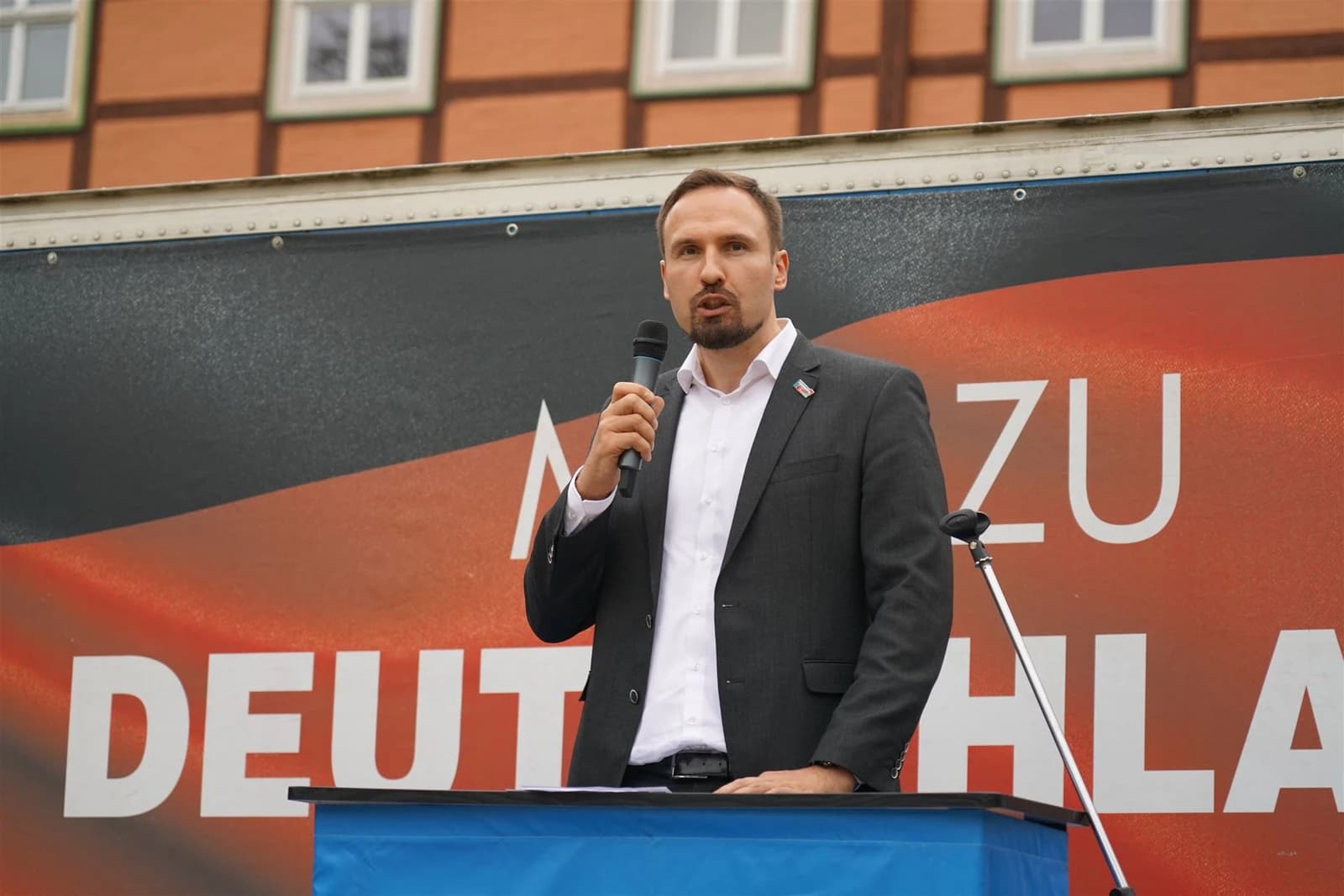
The Alternative for Germany is winning blue-collar voters by promising social protection, but its own economic platform points in the opposite direction: more market, less state, and a policy mix that is unlikely to help the workers it is attracting.
That gap matters because the AfD’s rise is no longer just a political curiosity. In Saxony-Anhalt, 61% of workers voted for the party, according to the interview context, underscoring how far its appeal has spread in Germany’s industrial heartland. Yet the policy debate around the party is being distorted by the idea that it is shifting left to become a vehicle for redistribution. The more important truth for investors and policymakers is that the AfD’s national programs remain broadly market-liberal, business-friendly and fiscally conservative, which means its economic agenda would not look like a traditional worker-first platform.
For markets, that distinction matters. Germany is already wrestling with weak growth, fragile consumer confidence and the political challenge of financing rearmament and infrastructure at scale. A party that can mobilize lower-income voters without actually offering a materially expansionary or redistributive economic program adds volatility to the policy outlook without necessarily delivering demand support. In other words, the AfD may channel frustration, but it is not a clean recipe for stronger domestic consumption or more generous social spending.
The economic implication is a familiar one: political displacement without policy relief. If voters believe a protest party will protect them, but the program remains focused on tax restraint, deregulation and a smaller state, the likely result is continued pressure on Germany’s mainstream parties to fill the gap. That can push Berlin toward more ad hoc fiscal compromises, particularly as defense outlays rise and the state is forced to reconcile budget discipline with strategic spending needs.
That is why the AfD story matters beyond elections. It speaks to the tension between electoral anger and the actual direction of policy. If the party keeps expanding among workers while staying economically orthodox on the core issues, investors should not assume a populist spending wave is coming. The more relevant risk is governance paralysis, not left-wing reflation.
For now, the market message is to separate rhetoric from program. Germany’s political fragmentation may intensify, but the AfD’s economic stance suggests less of a transfer-driven boom than a prolonged battle over who can credibly govern, spend and invest. The winners are likely to be the parties and sectors tied to fiscal stability and structural investment; the losers are those betting on a quick populist turn toward bigger redistribution.
| Entity | Gains | Losses |
|---|---|---|
| AfD | ▲Protest support | ▼Credibility as worker party |
| German workers | ▲Political voice | ▼Policy promises of redistribution |
| Mainstream parties | ▲Pressure to respond | ▼Monopoly on blue-collar voters |
| Fiscal conservatives | ▲Policy continuity | ▼Reform clarity |