AfD Wins 44% in Regional Vote as Merz Strategy Backfires
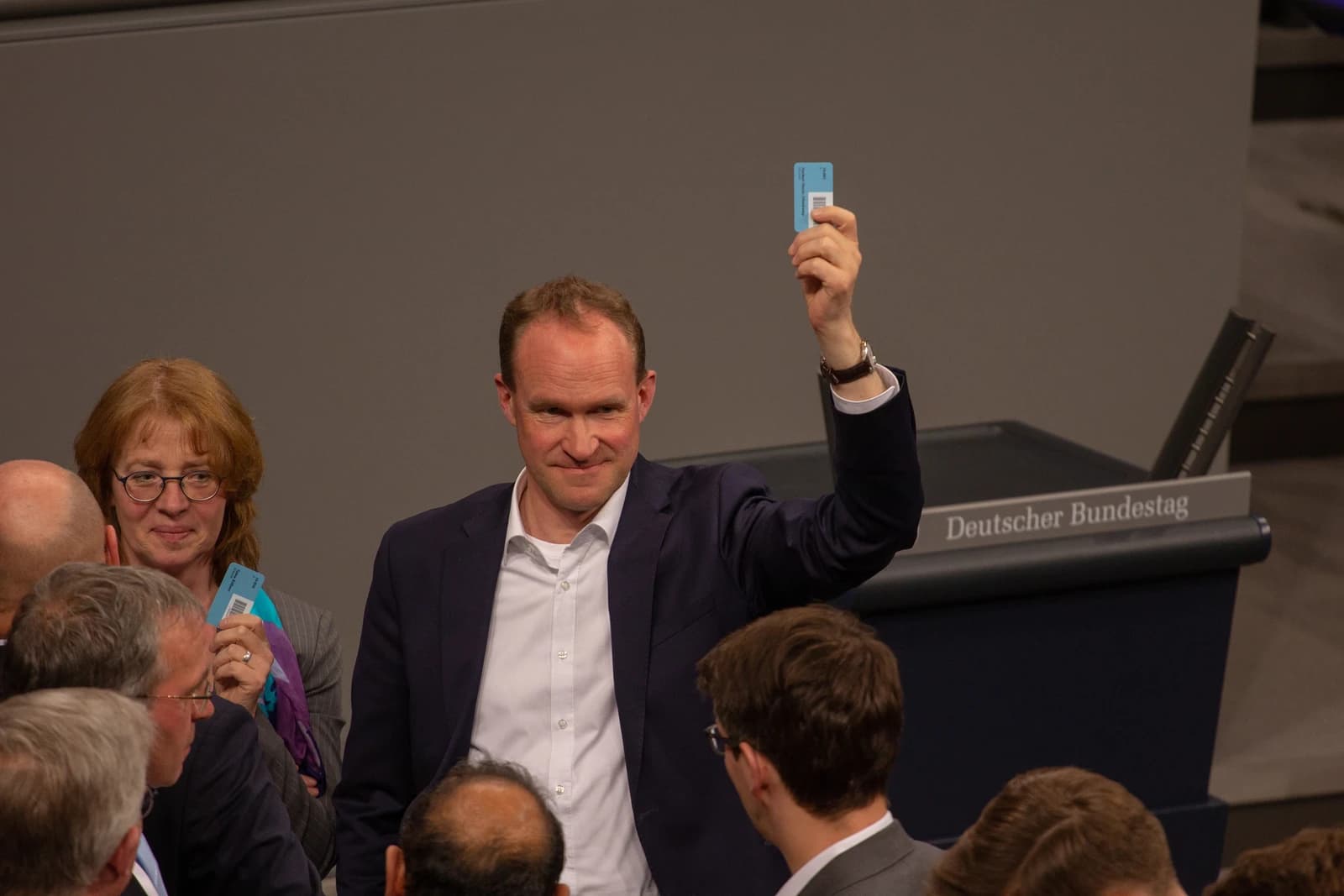
Chancellor Friedrich Merz’s attempt to blunt the far right by echoing some of its tougher positions appears to have backfired, after the Alternative for Germany won 44% in regional elections and more than doubled its 2021 result.
The outcome matters well beyond one state vote. It suggests Germany’s mainstream conservative strategy of meeting the AfD on immigration, security and identity has not deprived the party of oxygen; instead, it may have normalized its themes and widened its reach. For Merz, that raises a political risk that is also an economic one: a weakened governing center makes it harder to sustain policy continuity in Europe’s largest economy at a time when growth is fragile, industry is under strain and investors are already demanding greater clarity on fiscal and reform priorities.

The CDU’s 17% showing underscores the danger for Merz personally. Rather than consolidating the center-right, the party ceded ground sharply to the AfD, leaving the impression that hardening rhetoric has not rebuilt trust among disaffected voters or pulled them back into the conservative bloc. That is the core of Le Monde’s critique: the strategy designed to stop the far right may have reinforced its central argument that the established parties are all moving on to its terrain.
For investors, the immediate issue is not whether AfD can enter power nationally — Germany’s political firewall still makes that unlikely — but whether persistent gains force larger governing compromises and a more unstable policy environment. That can matter for everything from budget negotiations and industrial policy to defense spending and support for the euro zone’s broader reform agenda. German assets tend to price stability, predictability and institutional restraint; a stronger far right complicates all three, even if it remains outside government.
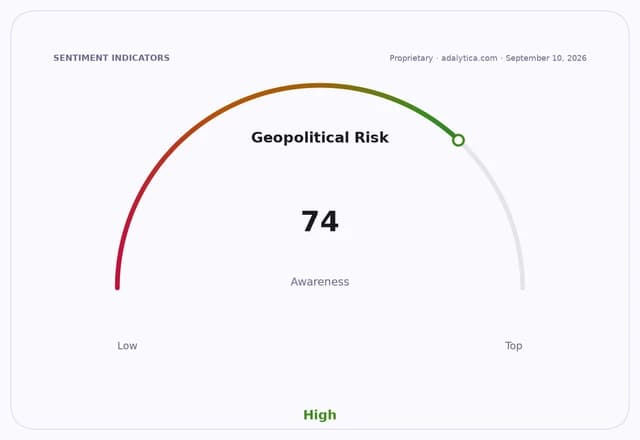
There is also a market dimension to the broader European backdrop. The iShares MSCI Germany ETF, EWG, has recently recovered to about $42.78 after swinging as low as $37.45 in March, but the rebound sits alongside a technically mixed picture, with the fund still trading only slightly above its 200-day moving average. That suggests investors are willing to own German equities, but not yet to price in a clean domestic political backdrop. The DAX has likewise held up better, but the message from the vote is that political risk in Germany is no longer a tail issue.
The bull case for Merz is that a tougher stance could still stabilize the right-of-center vote if paired with economic delivery, especially on growth, energy and migration. The bear case is that each failed attempt to outflank the AfD strengthens the party’s claim that only it represents political change, leaving the CDU squeezed between protest voters and a skeptical center.
For markets, the key question now is whether Merz can rebuild authority quickly enough to prevent the AfD’s advance from turning into a durable constraint on policy. If he cannot, Germany’s political center may become less able to anchor Europe’s largest economy — and that would matter for German equities, the euro and the region’s broader risk premium.
| Entity | Gains | Losses |
|---|---|---|
| AfD | ▲Broader protest vote | ▼Political isolation |
| CDU/Merz | ▲Short-term debate attention | ▼Credibility with center-right voters |
| German equities | ▲Policy clarity if centrists regroup | ▼Higher political risk premium |
| Investors in Germany | ▲Reform urgency | ▼Stability and predictability |