AfD Victory and Trump Embrace in Saxony-Anhalt
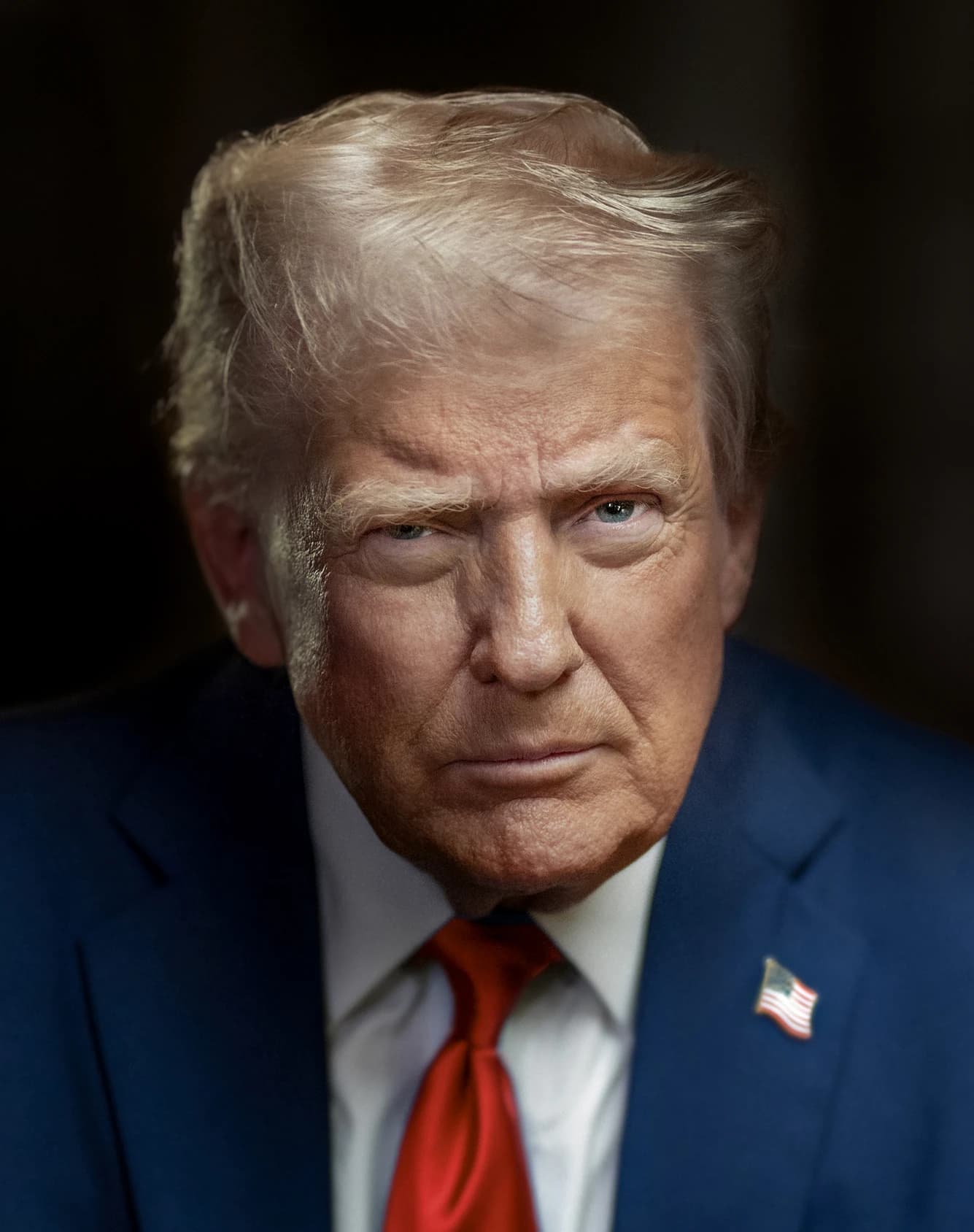
Donald Trump’s public embrace of Germany’s Alternative for Germany after its sweeping 43.8% victory in Saxony-Anhalt puts one of Europe’s biggest political fault lines back on investors’ radar: the rise of nationalist parties that can reshape policy even when they cannot govern alone.
That matters because elections like this do not just change speeches in parliament. They can alter the odds on immigration policy, spending priorities, energy rules and relations with Brussels — all of which feed directly into how investors think about Germany’s growth path, the euro’s stability and Europe’s broader political premium.
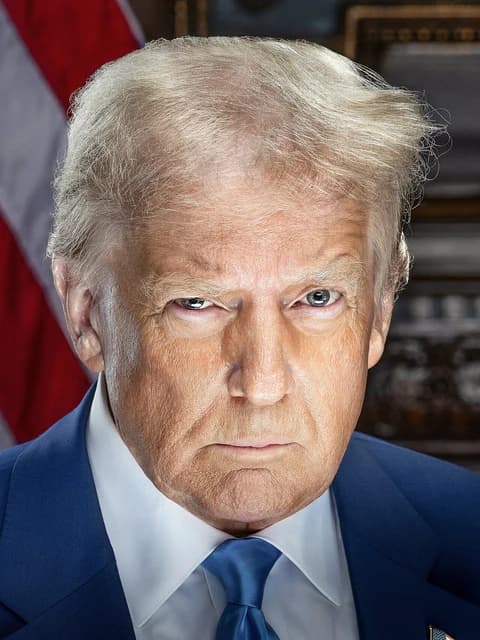
AfD’s result was a genuine breakthrough. It topped the Christian Democrats and became the biggest party in the eastern state, while the margin was wide enough to underscore how deeply frustrated voters remain with mainstream parties on migration, regulation and the cost of living. Trump leaned into that message on Truth Social, praising what he called a “really great night” and reviving his “Make Germany Great Again” slogan, a nod to the growing alignment between populist movements on both sides of the Atlantic.
For markets, the immediate issue is not that AfD is about to run the state on its own. It fell short of an outright majority, and Germany’s other parties have made clear they will not form coalitions with it. The bigger question is what the victory says about the governing environment ahead: more polarization, tougher coalition math, and less certainty on reforms that businesses and long-term investors typically prefer to see move in a steady, predictable line.
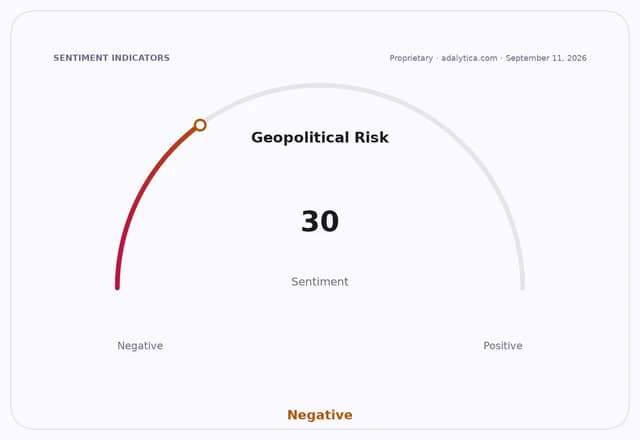
That uncertainty can matter economically in a few ways. If anti-immigration and anti-regulatory sentiment keeps gaining ground, pressure rises for policies that could tighten labor supply, complicate relations with EU institutions and slow the sort of incremental reforms Germany needs to revive competitiveness. At the same time, heavier support for welfare retrenchment and media cuts, both part of AfD’s platform, would point to a very different policy mix than investors are used to in Europe’s largest economy.
The foreign-exchange angle is more subtle but still important. According to Adalytica.com’s Euro Trade Signals gauge, sentiment on the euro is in “Extreme Fear,” even as awareness is elevated. That combination suggests traders are paying close attention to political headlines without yet fully pricing a lasting macro hit. The broader Global Stability Sentiment gauge also shows “Fear,” reflecting how quickly political shocks can ripple through Europe’s risk assets when they touch the region’s largest economy.
Still, long-term investors should keep this in perspective. A single state election does not rewrite Germany’s economic model overnight. The more durable takeaway is that political fragmentation is becoming a structural feature of Europe’s investment landscape, and that can favor companies with pricing power, diversified revenue streams and limited dependence on domestic policy stability.
For patient investors, the lesson is not to trade every headline, but to recognize that political volatility can create valuation gaps across European assets. Germany remains central to the continent’s industrial base, banking system and export engine, so any rise in nationalist politics deserves a spot on the watchlist — especially for those investing with a three- to 10-year horizon.
| Entity | Gains | Losses |
|---|---|---|
| AfD | ▲Bigger platform | ▼Coalition access |
| Trump/populists | ▲Cross-border momentum | ▼Mainstream pushback |
| German voters wary of status quo | ▲Protest outlet | ▼Policy certainty |
| Euro-area investors | ▲Higher entry points in risk assets | ▼Political stability premium |