Affirm and PayPal BNPL credit growth
Buy now, pay later is still being sold to consumers as a cleaner alternative to revolving credit, but the real investor question is whether these payment systems are becoming credit products in disguise.
That matters because the economics are changing. As installment plans, short-term pay-in-X offers and wallet-based financing spread across ecommerce and point-of-sale, the line between payments and lending keeps blurring — and with it, the line between fee-based commerce revenue and balance-sheet credit risk. For investors, that means the sector’s upside depends not just on user growth, but on underwriting, funding costs, and whether these platforms can keep loans performing if consumers get stretched.
Affirm is the clearest test case. Its own filing says its product set already includes Pay-in-X, 0% APR monthly installment loans and interest-bearing monthly installment loans, while purchased loan volume from bank partners includes a mix of interest-bearing and 0% APR installment products. In other words, the company is no longer just offering a checkout button; it is packaging credit in multiple forms, some of it subsidized by merchants, some of it paid for by borrowers.
That distinction is important for earnings quality. Interest-free installments can drive adoption and merchant volume, but they can also compress margins if incentives have to be funded by revenue share or marketing spend. Interest-bearing plans, by contrast, can support yield but bring more exposure to consumer delinquencies, funding spreads and reserve builds. The investment case therefore hinges on whether growth comes from more payments flowing through the platform or from a deeper credit book that starts to resemble a conventional lender.
PayPal faces the same strategic tension, though from a broader base. Its 10-Q shows consumer loans and interest receivable of $5.5 billion at June 30, down 6% from a year earlier, with the company citing the impact of a strategic de-emphasis of some lending activity. That suggests management is trying to keep credit optionality without letting the balance sheet become the business. For shareholders, that can reduce volatility, but it also limits one potential route to growth if BNPL demand keeps expanding.
The stock action shows investors are still wrestling with the model. Affirm’s shares have whipsawed from a July peak above $84 to about $68.15 in the latest trading, with the 50-day moving average now above the price and RSI readings sinking to 32.7, a sign of weakened momentum. PayPal has fallen to about $52.17, well below its 50-day moving average, with RSI at 29, which typically reflects a market that has already priced in a lot of bad news but remains unconvinced the outlook has improved.
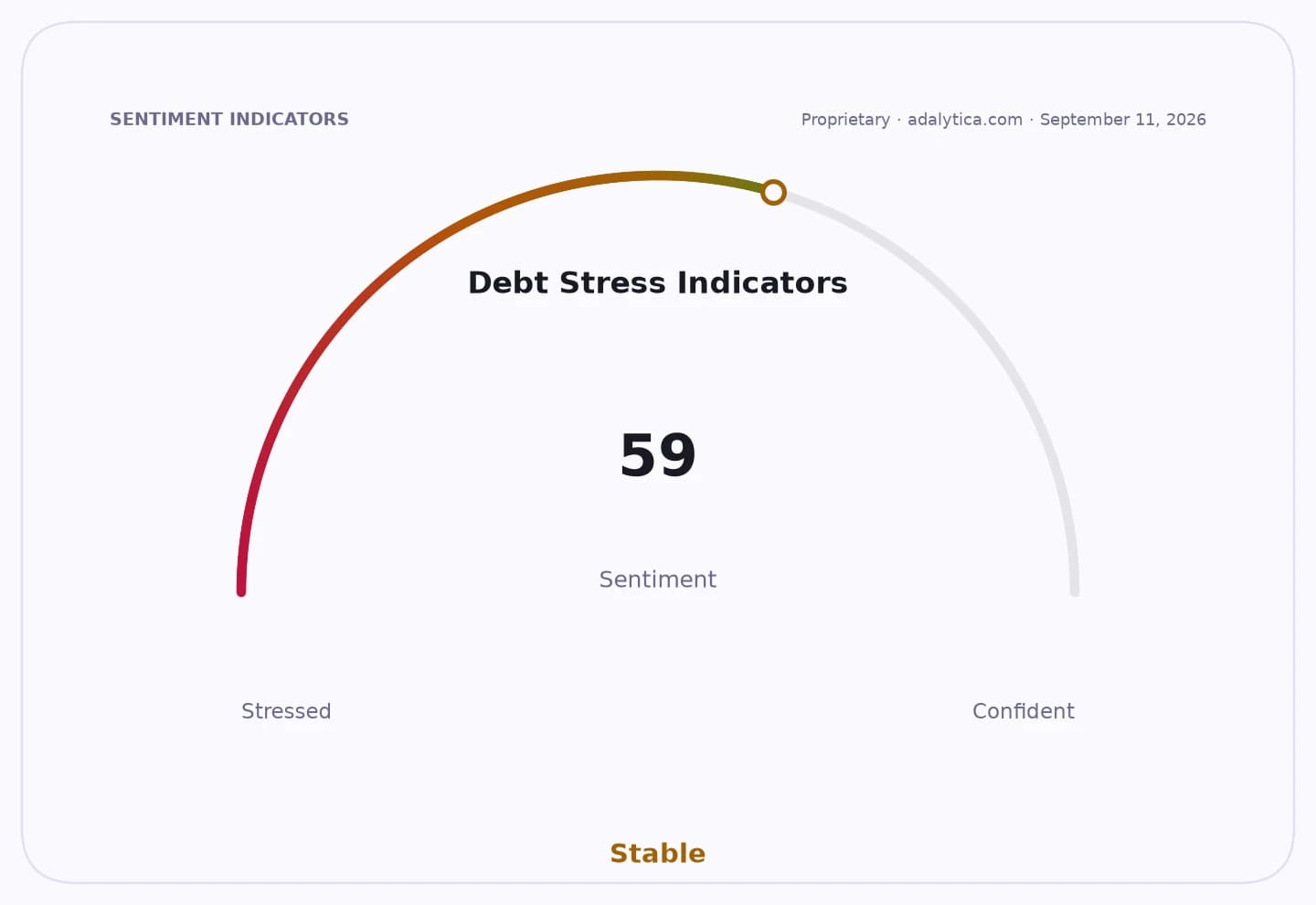
The broader consumer backdrop is mixed rather than disastrous. Adalytica’s credit-card usage sentiment sits at 70, labeled neutral, while household debt stress sentiment is 59, also neutral, suggesting consumers are still spending but not exuberantly. That helps BNPL providers because installment products tend to work best when consumers want flexibility without feeling panic. But it also means there is less obvious distress to force a wholesale migration from cards into pay-over-time products.
That leaves the sector at an inflection point. Bulls argue the growth opportunity is still early: merchants want higher conversion, consumers want budgeting tools, and lenders can earn attractive economics if underwriting holds. Bears counter that the model is becoming more capital-intensive and more cyclical, especially as incumbents such as card networks, banks and wallet operators push their own installment offerings.
For investors, the key issue is not whether these systems have credit or installment options — they plainly do — but how much credit they are willing to hold, how much they can originate off balance sheet, and how fast losses rise when the consumer cycle weakens. The next leg for the group will be determined by underwriting performance, funding discipline and whether BNPL remains a payments feature or turns into another form of unsecured consumer lending.
| Entity | Gains | Losses |
|---|---|---|
| Affirm | ▲BNPL volume growth | ▼Margin pressure |
| PayPal | ▲Checkout engagement | ▼Lending expansion |
| Merchants | ▲Higher conversion | ▼Subsidy costs |
| Consumers | ▲Payment flexibility | ▼More embedded debt |