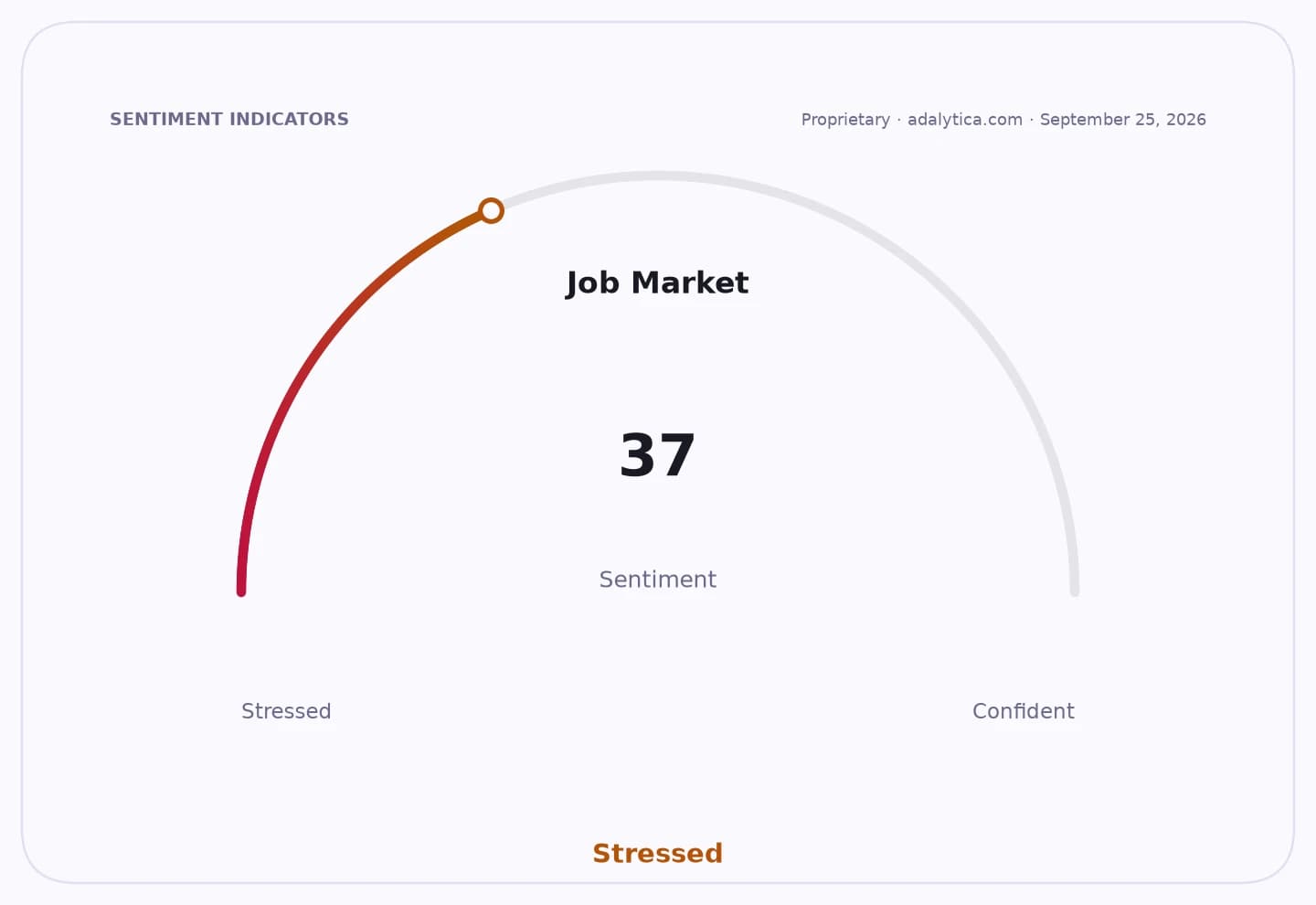
Families are forcing one of the country’s oldest county fair-style events to rethink its business model, and that matters well beyond the fairgrounds.
Affordability pressures reshape leisure demand
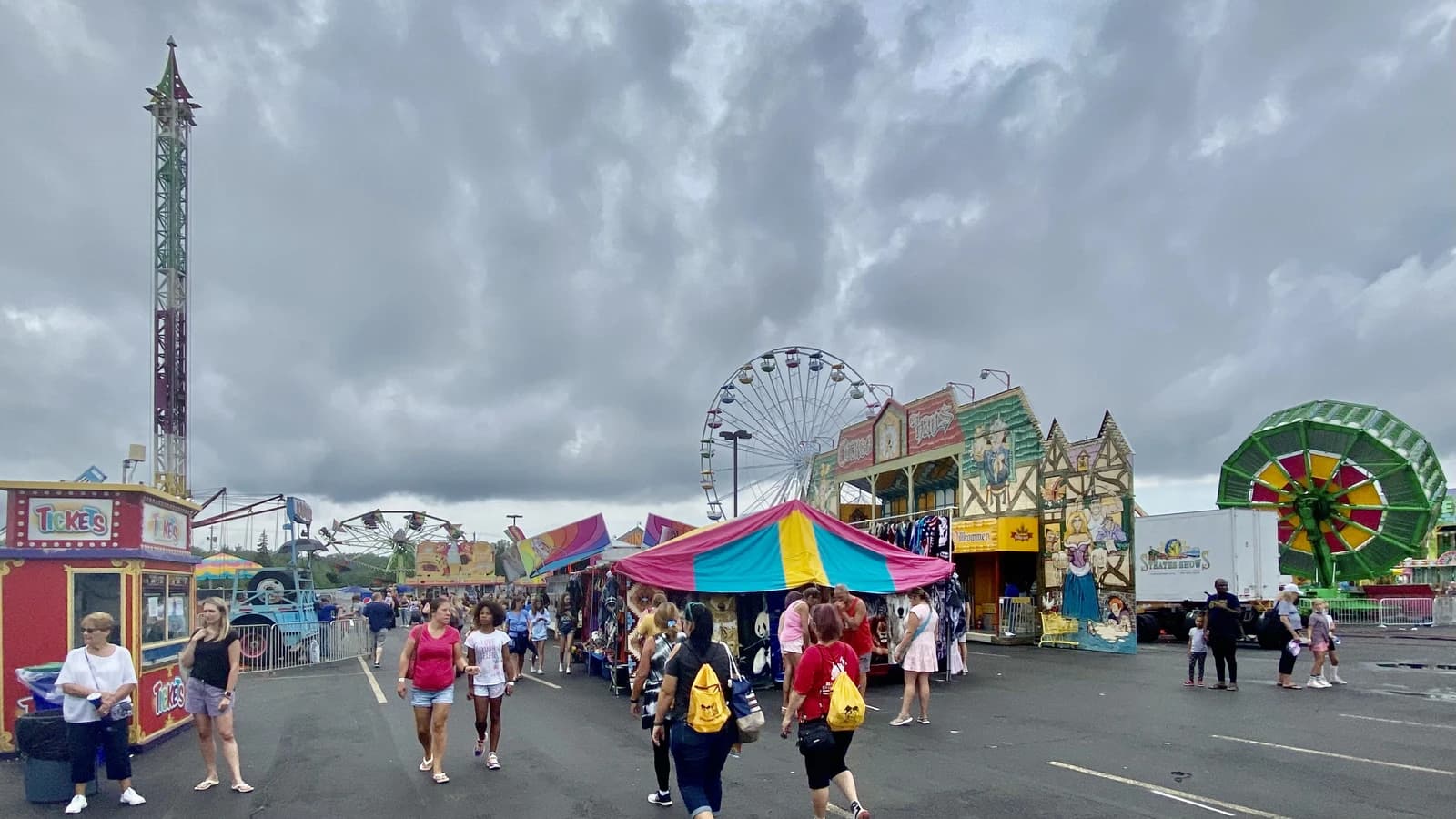
York State Fair’s plan to trim costs is a small but telling response to the same affordability squeeze that is reshaping consumer spending everywhere. When households are watching food, gas and other essentials eat up more of the paycheck, discretionary outings have to work harder for every dollar. For investors, that’s a reminder that entertainment and leisure businesses can’t rely on price increases alone; they need volume, value and a compelling family proposition to keep traffic flowing.
Sentiment IndicatorsⓘProprietary · adalytica.com · July 14, 2026
This is a snapshot — live sentiment, awareness and momentum for 130+ markets update continuously in the dashboard.Open AlphaPulse
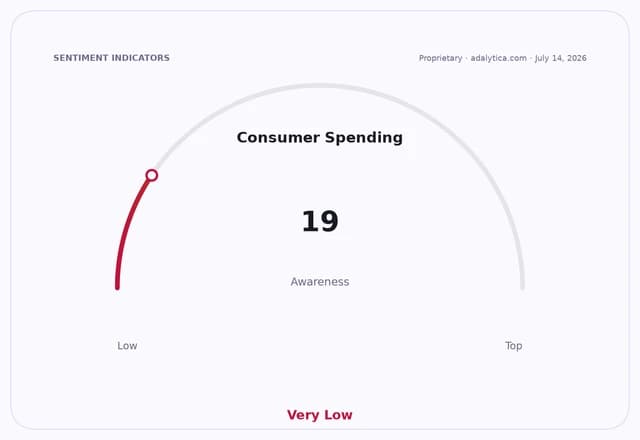
That pressure shows up in the broader economic backdrop. U.S. consumer prices are still rising, with the headline CPI at 333.979 in May and forecast to reach 336.0641 in June, while core inflation is also advancing. At the same time, the 10-year Treasury yield has climbed to around 4.56%, keeping borrowing costs elevated and reinforcing the strain on households and businesses alike. In that kind of environment, value becomes a competitive advantage.
The market implications extend to names tied to outdoor entertainment, attractions and hospitality. Cedar Fair owner Six Flags Entertainment and Pursuit Attractions live and die by how willing families are to spend on admissions, food and lodging after covering necessities. CHDN, better known for gaming and entertainment assets, also depends on discretionary demand that weakens when consumers feel pinched. If fair operators can hold attendance while lowering the total cost of a visit, that is the sort of operational discipline investors should respect.
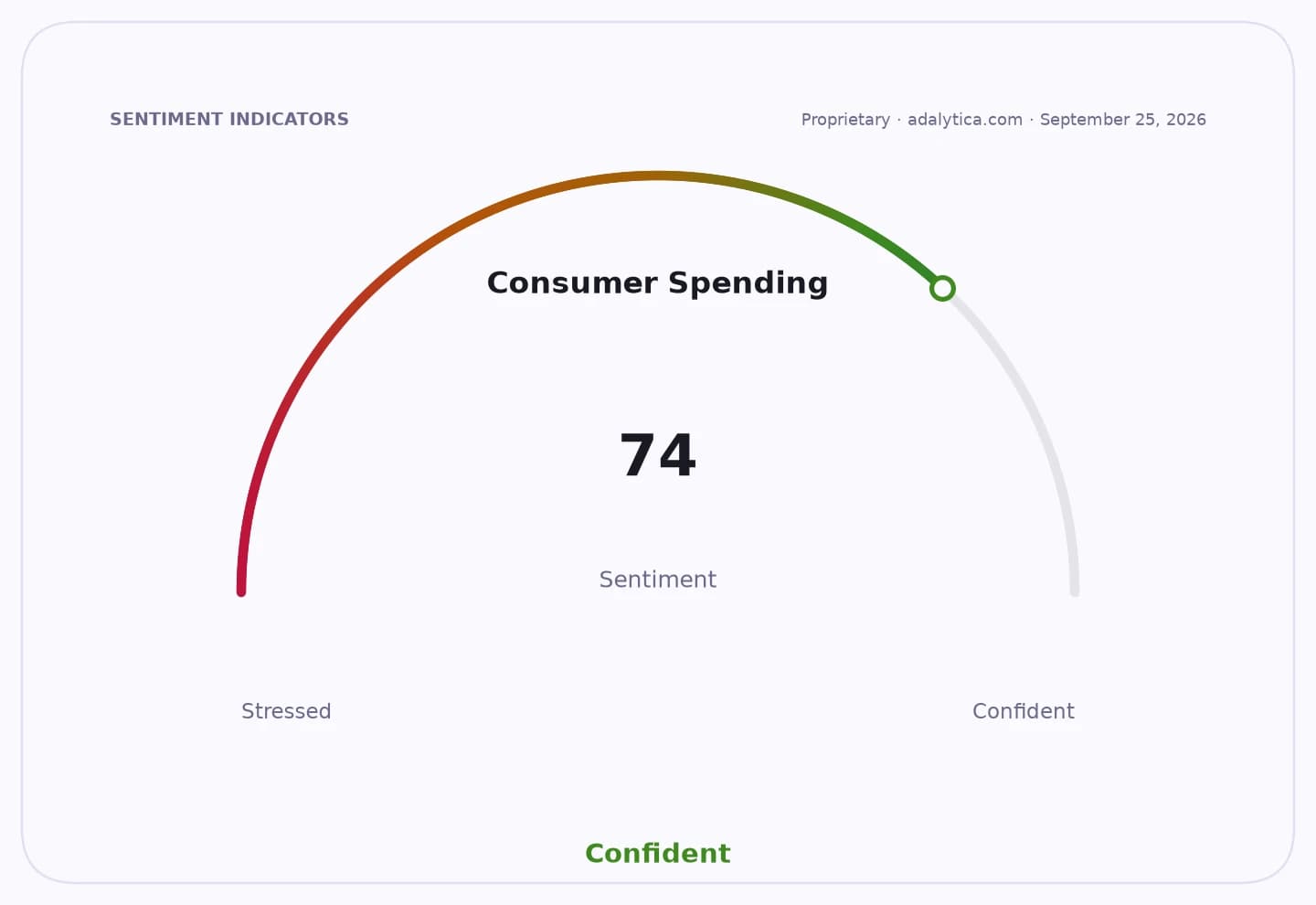
Consumer Spending — 30-day sentimentadalytica.com
Explore this data interactively — full history, time series and cross-market comparisons.Open AlphaPulse
The message for long-term investors is simple: affordability is no longer a side issue, it is the main issue. Businesses that can keep experiences accessible without crushing margins are the ones most likely to compound over time. For everyone else, this is a warning that pricing power has limits when customers are tired of paying more for less.
For now, York State Fair’s move is worth watching as a micro-level example of a macro trend. In a world where families are demanding fairer prices, the winners will be the operators that adapt first.
| Entity | Gains | Losses |
|---|---|---|
| Families | ▲Lower total outing cost | ▼Less luxury and variety |
| York State Fair | ▲Better attendance odds | ▼Some near-term revenue per visitor |
| Leisure operators with value focus | ▲More resilient demand | ▼Pricing power fades |
| High-cost discretionary venues | ▲Fewer value-seeking customers | ▼Traffic and margins under pressure |