Africa Energy Week 2026 Resource Rights Push
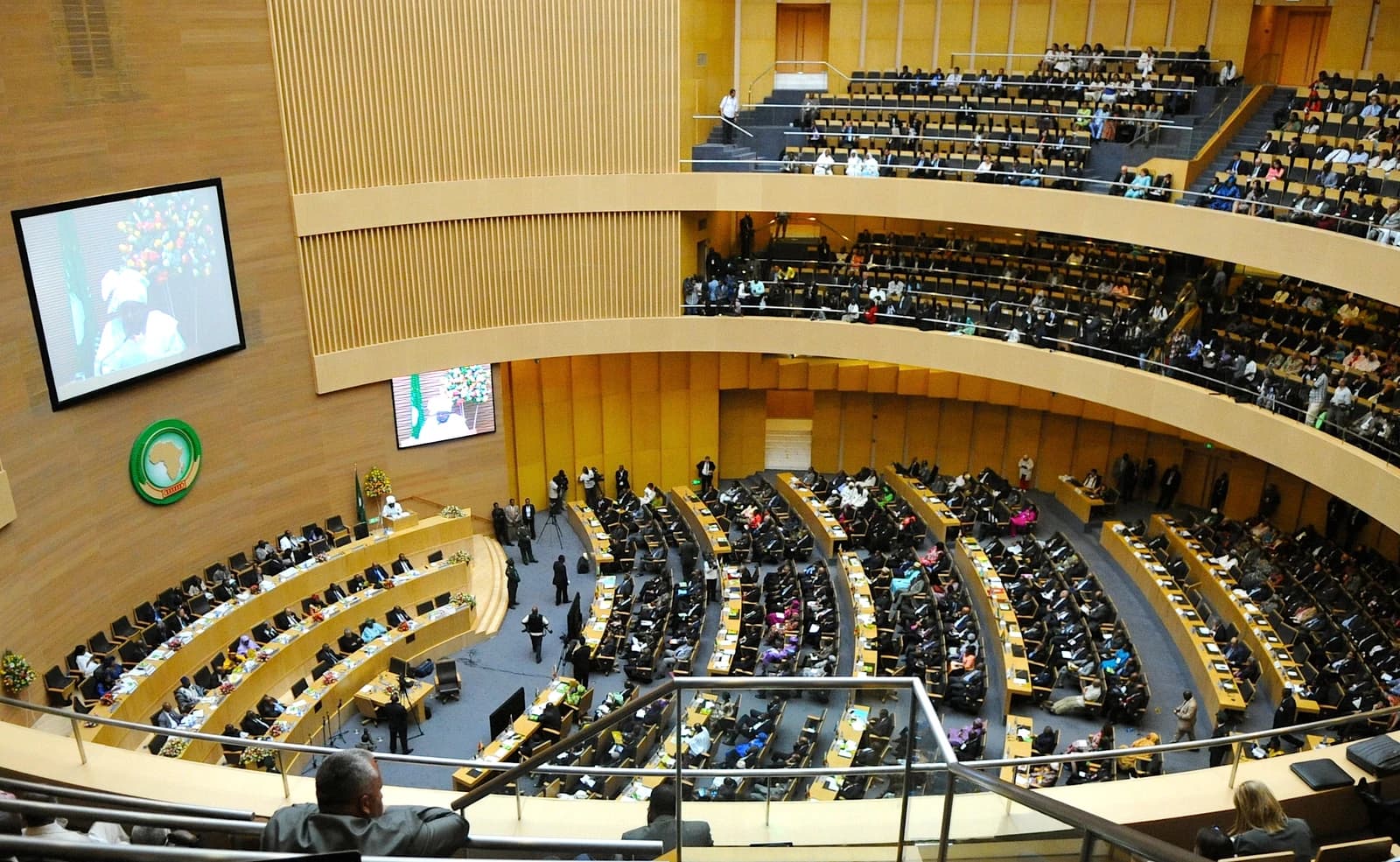
Africa’s campaign to reclaim greater control over its resource wealth is gaining momentum as the African Energy Chamber and DMWA Resources prepare to expand advocacy and advisory efforts at African Energy Week 2026, a move that could sharpen the continent’s push for faster energy development and more bargaining power in climate talks.
The economic stakes are straightforward: Africa holds some of the world’s biggest untapped energy and mineral deposits, but much of that wealth has been constrained by capital shortages, policy uncertainty and pressure to keep hydrocarbons in the ground. By positioning AEW 2026 as a forum for resource-rights messaging, the two groups are trying to recast the debate from one centered on external climate restrictions to one focused on domestic growth, jobs and industrialization.
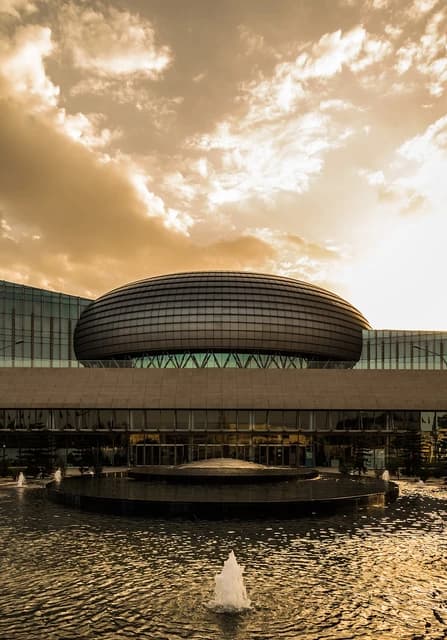
That matters for investors because the narrative can influence project approvals, exploration spending and the appetite of international lenders and partners. If African governments lean further toward resource development, oil and gas producers, service companies, infrastructure builders and logistics firms could see a better backdrop, while renewable-heavy transition strategies may face more political resistance in some markets.
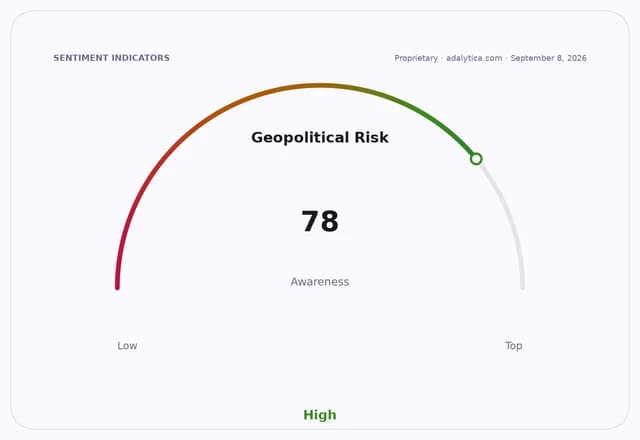
The message also lands against a mixed global risk backdrop. Adalytica’s Global Stability Sentiment sits at 48, neutral, after a 13-point one-day rise but a 44-point drop over 30 days, while the U.S. dollar trade signal remains elevated at 78, suggesting tighter financial conditions and a more selective funding environment for frontier and emerging-market projects.
For Africa, the broader narrative is not just about energy, but about ownership: who sets the terms of development, who captures the revenue and how the continent balances climate commitments with the right to monetize its natural assets. AEW 2026 now looks set to become another battleground in that debate, with policy signals and partnership announcements likely to determine whether the region’s resource push turns into capital flows.
| Entity | Gains | Losses |
|---|---|---|
| African Energy Chamber / DMWA Resources | ▲Bigger policy platform | ▼Less room for climate-only framing |
| African governments | ▲Stronger resource bargaining power | ▼More pressure over emissions policy |
| Oil, gas and mining investors | ▲Potentially friendlier deal flow | ▼Higher policy and ESG uncertainty |
| Climate-focused advocates | ▲Broader debate on transition | ▼Influence over Africa energy agenda |