Africa refining hubs to cut fuel import dependence
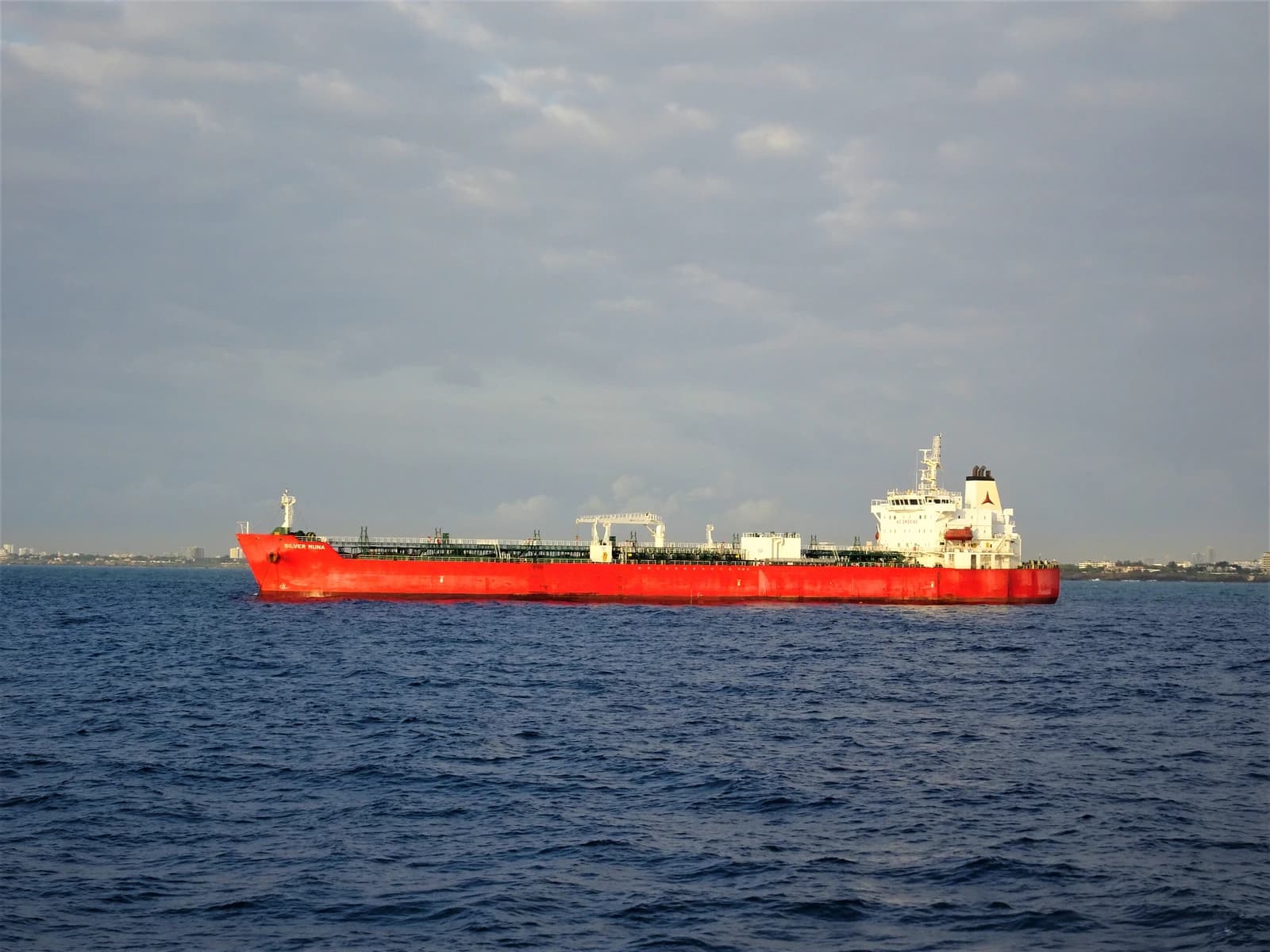
Africa’s dependence on imported fuel is turning into a costly economic weakness, and ARDA says the answer is building a lot more refining capacity at home.
The African Refiners and Distributors Association is pressing for regional oil refining hubs after the Iran crisis again showed how quickly global supply shocks can push African countries into fuel shortages, panic buying and higher working-capital needs for importers. That matters because the continent is one of the world’s major crude producers, yet it still consumes far more petroleum products than it refines, leaving governments and businesses exposed every time geopolitics rattles shipping, financing or trade routes.

ARDA says Africa used about 4.23 million barrels of petroleum products a day in 2023 but imported 2.78 million barrels a day, a gap that keeps draining foreign exchange and raises costs across transport, aviation and industrial supply chains. Those pressures ripple through the broader economy, from emergency government measures to protect fuel availability to higher diesel and jet fuel prices that can squeeze airlines, farmers and manufacturers.
For investors, the message is clear: refining is no longer just a downstream industrial niche, but a strategic infrastructure theme tied to energy sovereignty, regional trade and long-term demand growth. ARDA says Africa will need at least six more refineries on the scale of Nigeria’s Dangote Refinery to move toward self-sufficiency, alongside storage terminals, logistics networks and distribution systems that can withstand future disruptions.
That is why the APPO-ARDA Refining Model Development Initiative matters. The project is designed to build refinery models suited to African crude types, map out hubs across West, Central, Southern, East and North Africa and lay the groundwork for a continental strategy through 2050. In practical terms, it could unlock a pipeline of large capital projects for engineering firms, construction groups, equipment suppliers and investors willing to back long-duration energy infrastructure.
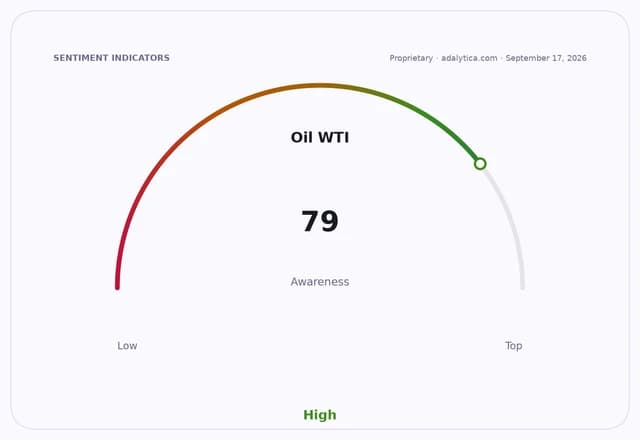
The timing also helps explain why the story resonates beyond Africa. Global oil prices remain vulnerable to geopolitical shocks, with the latest flare-up in the Middle East pushing benchmark crude higher and reminding markets that supply risks have not disappeared. When outside disruptions can quickly lift import bills and tighten fuel availability, the economics of local refining become more attractive even if the upfront capital costs are huge.
There are real risks, of course. Building refineries in Africa has long been slowed by financing gaps, policy uncertainty and weak logistics. But ARDA’s push suggests the sector is moving from aspiration to planning, with a joint technical committee already choosing a pilot hub and anchor country.
For long-term investors, that makes African refining worth watching. If the continent can convert crude advantage into domestic fuel security, the payoff could be measured not just in better margins for refiners, but in a more resilient growth story for the whole region.
| Entity | Gains | Losses |
|---|---|---|
| African refiners | ▲Higher investment, stronger demand | ▼Import dependence, supply shocks |
| Governments and consumers | ▲Better fuel security, fewer shortages | ▼Emergency import bills, queue risks |
| Importers and overseas suppliers | ▲Lower if local refining expands | ▼Lost volume, weaker pricing power |
| Dangote-style project backers | ▲New infrastructure opportunities | ▼Capital intensity, execution risk |