Interest on African sovereign debt has slipped below 10% for the first time since 2015, a milestone that could unlock cheaper financing for governments that have spent years locked out of affordable markets.
African Sovereign Borrowing Costs Ease
That drop matters because Africa’s borrowing costs have been pinned to a punishing mix of higher US Treasury yields, dollar strength and investor fear about defaults. Even a modest decline in required yields can have an outsized effect on the region: it lowers debt-service burdens, extends fiscal runway and improves the odds that heavily indebted issuers can refinance rather than restructure. For investors, it signals that the market is beginning to distinguish between distressed credits and those with credible reform stories, creating room for selective exposure in a space long treated as a blanket risk trade.
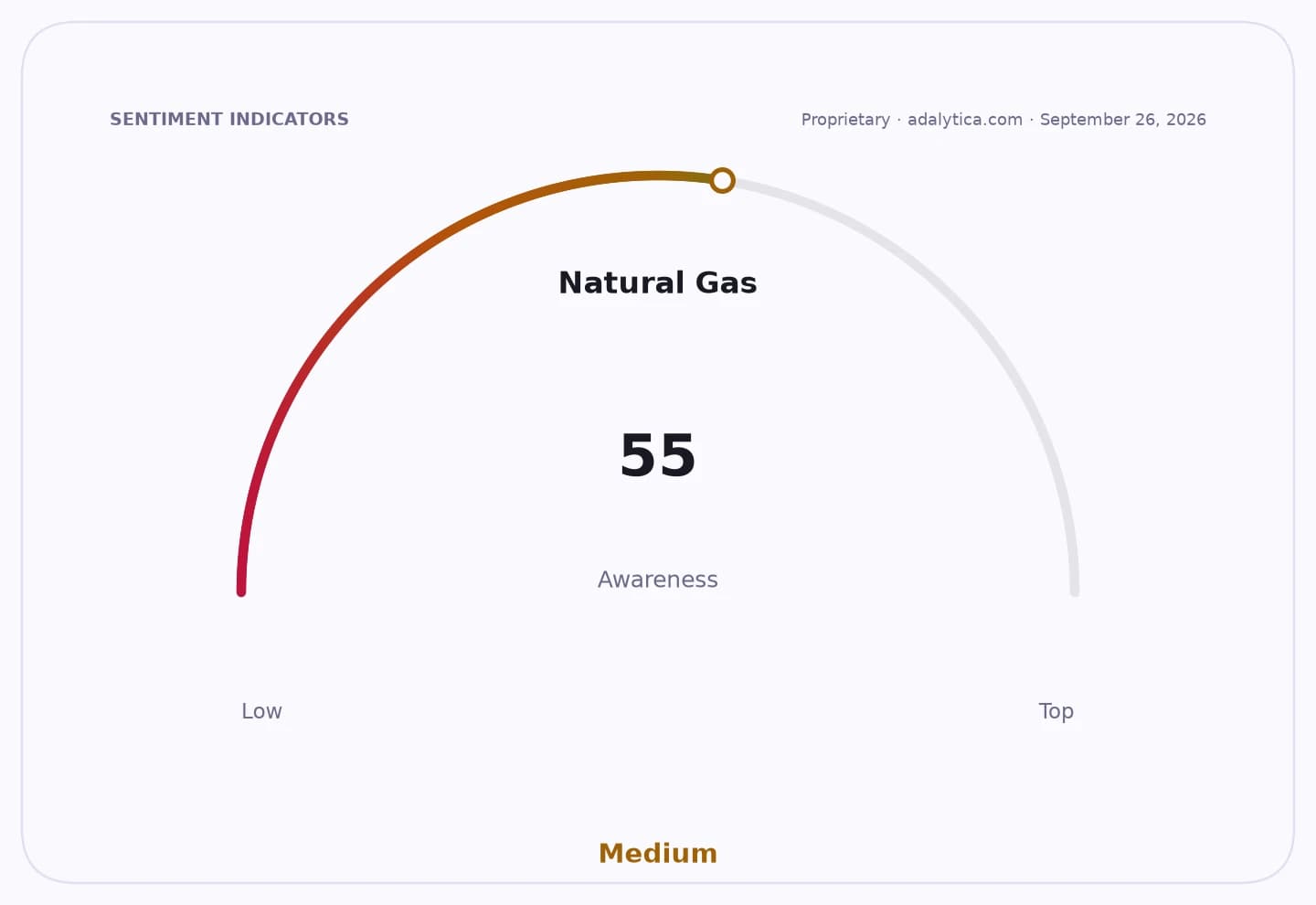
Sentiment IndicatorsⓘProprietary · adalytica.com · July 18, 2026
This is a snapshot — live sentiment, awareness and momentum for 130+ markets update continuously in the dashboard.Open AlphaPulse
The broader backdrop is a softening in global rates and a more constructive tone toward risk assets. The US 10-year Treasury yield is around 4.56%, down from the summer peak near 4.58%, while the US high-yield credit spread has narrowed to 2.72 percentage points from 4.16 percentage points earlier this year. Those moves suggest investors are demanding less compensation for risk across markets. Emerging-market debt has also been steadier, with the EMB ETF trading above both its 50-day and 200-day moving averages, while the recent technical pullback in the fund looks more like consolidation than a breakdown.
At the same time, the dollar has lost some momentum. Adalytica’s US Dollar Trade Signals show neutral sentiment and a sharp 30-day drop in awareness, a sign that the market’s reflexive rush into the greenback is cooling. That matters for African borrowers because a weaker dollar eases the cost of servicing hard-currency debt and can support capital flows back into higher-yielding sovereign paper.
The investment case here is not that African debt has suddenly become safe. It is that the market may be moving from indiscriminate fear to selective pricing, and that shift creates asymmetry. Countries with stronger external buffers, reform momentum or access to multilateral support stand to benefit first, while weaker credits remain vulnerable if global growth wobbles or US yields resume climbing. In that setting, exchange-traded funds such as EMB can offer broad exposure, but the real opportunity is likely to be in identifying the sovereigns whose financing costs are falling faster than their fundamentals deteriorate.
For investors, the takeaway is straightforward: lower African borrowing costs are a signal that the worst of the risk-premium shock may be fading, and that the next phase of the trade will reward selectivity rather than avoidance. If global rates stay contained and the dollar keeps cooling, African debt could emerge as one of the market’s more overlooked recovery plays.
| Entity | Gains | Losses |
|---|---|---|
| African sovereign borrowers | ▲Lower refinancing costs | ▼Less urgent debt stress |
| Selective EM debt investors | ▲Yield with improving pricing | ▼Blanket risk-off positioning |
| Multilateral lenders | ▲More viable restructurings | ▼Emergency support pressure |
| High-yield bond bears | ▲Fewer distressed spread blows | ▼Risk premium compression |