Leverage Puts Agricultural Traders at Risk
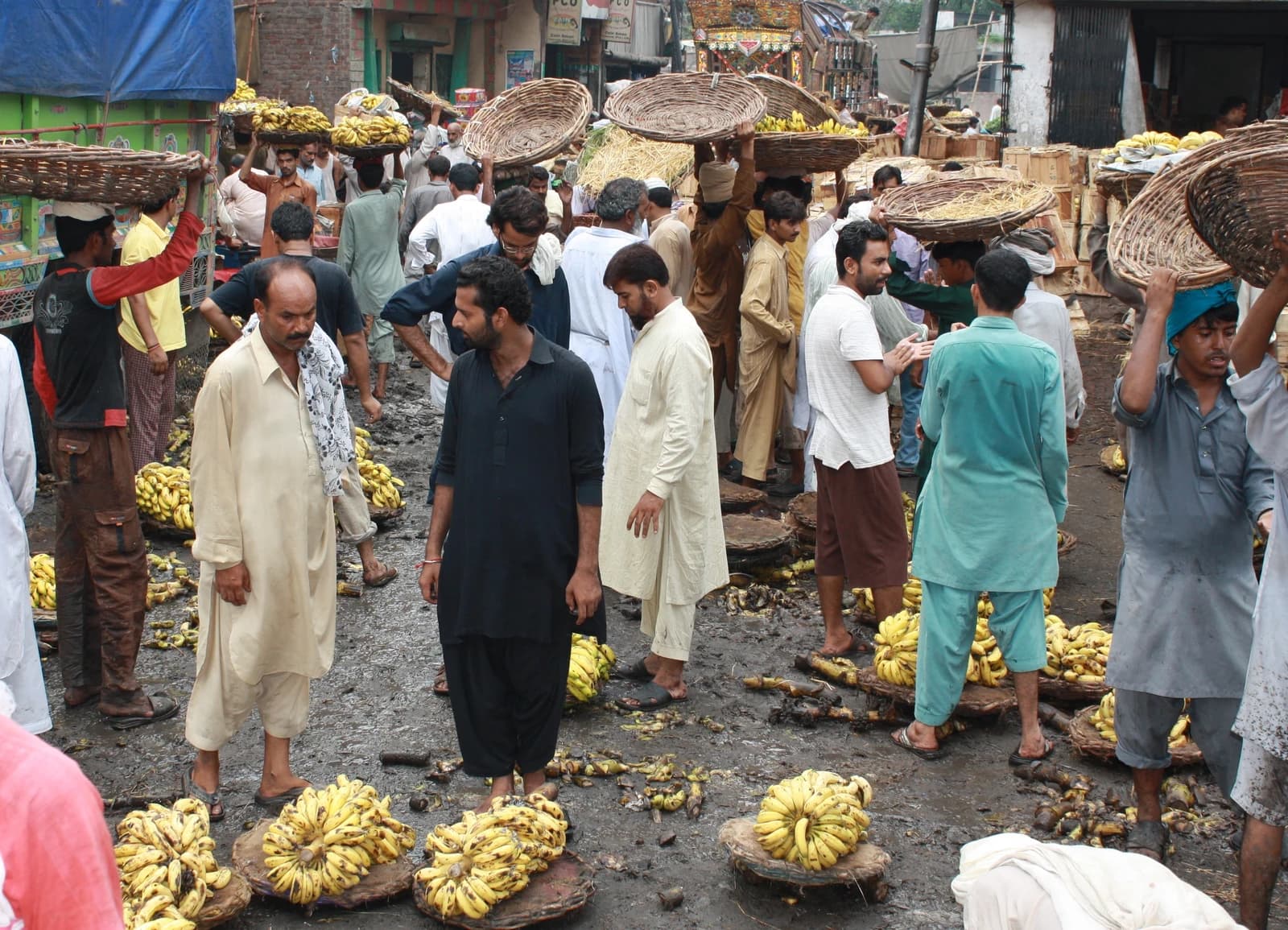
Borrowing 4.4 billion Vietnamese dong to trade agricultural products has turned into a liability of more than 5 billion dong after a little more than a year, a stark reminder that speculation in food and farm goods can quickly become a balance-sheet problem when prices swing and leverage does the rest.
The real market story is not the borrower’s individual misfortune. It is the way volatility in agricultural commodities, mixed retail food pricing and tighter scrutiny of market conduct are exposing how fragile highly leveraged trading can be in a sector that looks familiar but behaves like a high-risk spread bet. When staple prices move unevenly and liquidity dries up, the margin for error disappears fast.
That matters economically because food trading sits at the intersection of households, merchants and credit. Rising burdens in a business built on short cycles and thin margins can ripple through local lending, inventory financing and supplier payments. In markets where borrowing costs are already sensitive to inflation and cash flow, one failed trade can become a chain of defaults.
For investors, the lesson is that the winners in this environment are not necessarily the traders taking outright price risk. The durable opportunities lie in the toll collectors: lenders with disciplined underwriting, logistics operators, storage and handling businesses, and commodity processors that can manage spread volatility better than small leveraged traders. The losers are easy to identify — highly geared intermediaries, weak hands in agricultural inventory and anyone treating food commodities like a one-way macro trade.
The broader backdrop reinforces that view. Agricultural and grocery prices are moving in different directions across markets, with some staples under pressure from promotions while others are expected to rise, a mix that makes directional bets hazardous. Regulatory action against price manipulation and expired goods also signals that authorities are willing to intervene more aggressively when market behavior crosses the line, adding another layer of risk for speculative operators.
On the market side, the message from the technical picture in corn and soy tracking funds is that the agricultural complex remains active, but not uniformly stable. Corn has slipped back toward its short-term averages after a sharp run and a recent pullback, while soybeans have pushed higher and are trading above both the 50-day and 200-day moving averages. That divergence says the sector is still tradable, but timing and product selection matter far more than simple bullishness.
Our thesis is that this is exactly the kind of environment where capital should migrate away from levered, low-margin commodity speculation and toward businesses that own infrastructure around the trade. If food prices stay choppy and oversight tightens, the market will reward scale, pricing power and balance-sheet strength — not borrowed money chasing a quick gain in agricultural products. For investors, the actionable takeaway is clear: favor the picks-and-shovels of the food supply chain and avoid overexposed, debt-fueled traders.
| Entity | Gains | Losses |
|---|---|---|
| Lenders with tight underwriting | ▲Higher risk-adjusted spreads | ▼Bad loans |
| Storage and logistics providers | ▲More demand for secure handling | ▼Less speculative turnover |
| Commodity processors | ▲Better hedge opportunities | ▼Thin-margin traders |
| Leveraged agricultural traders | ▲Short-term upside potential | ▼Debt spiral risk |