AI chip patent filings rise 114% in five years
A new Anaqua report suggests the race to build AI semiconductors is still in its early innings, with patent filings at the intersection of artificial intelligence and chips rising 114% over the past five years, faster than the 78% increase in semiconductor patents overall.
That matters because patents are one of the clearest windows into where companies are putting real money behind future products. When filings accelerate this quickly, it usually means the industry is not just chasing a cycle — it is reorganizing around a new computing architecture. In this case, AI is pushing innovation from chip design and graphics processors to inference chips and custom accelerators for hyperscalers, the cloud giants building their own silicon.
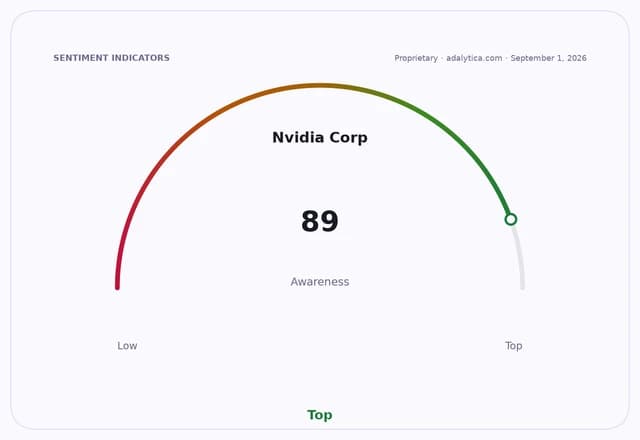
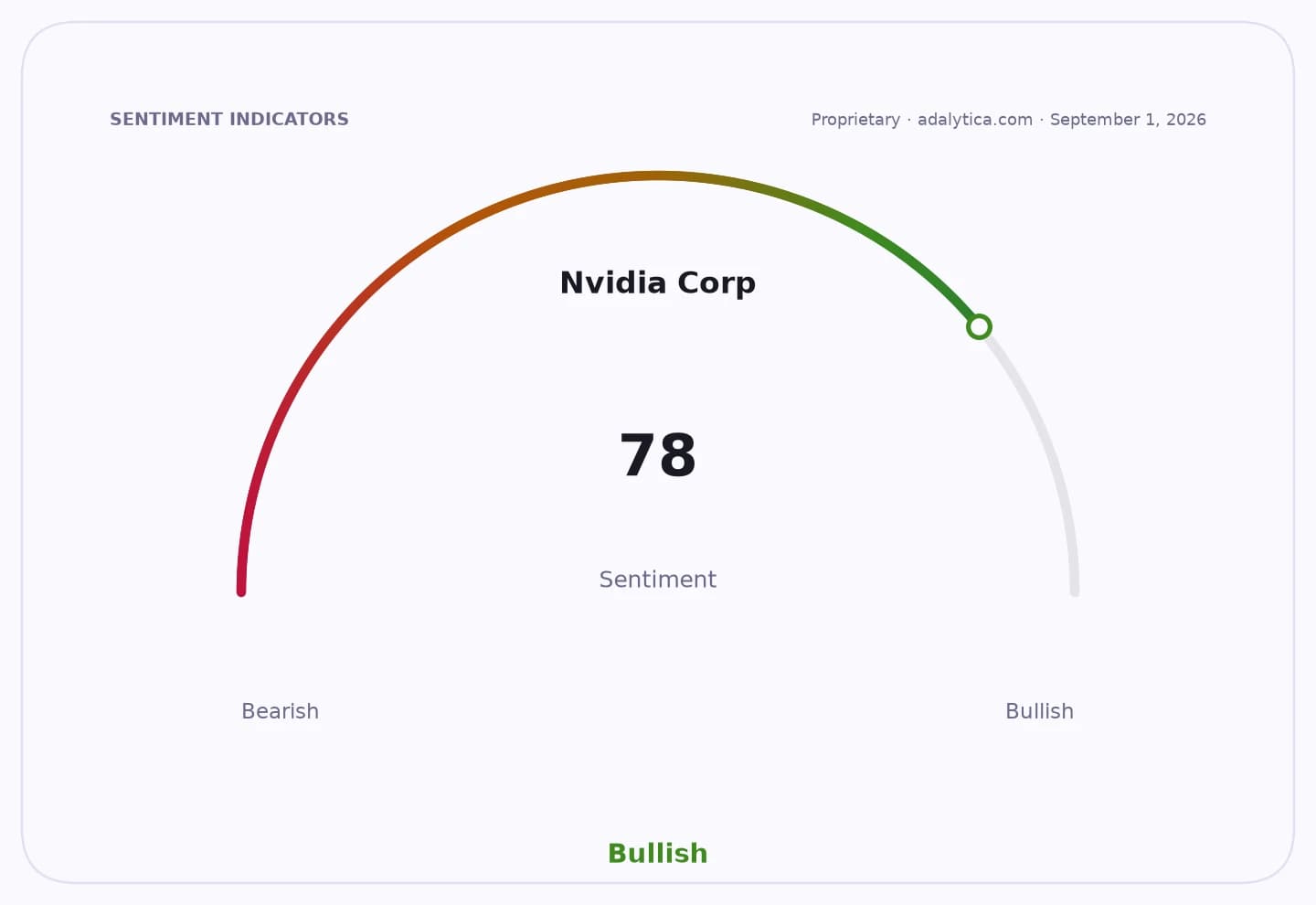
For investors, that is a reminder that the AI trade is broader than one stock. NVIDIA remains the most obvious beneficiary because its software ecosystem, CUDA, is still the real moat, even if the company’s patent count is not the largest. But the report also underscores why AMD, Qualcomm, Intel and even Samsung matter in the next phase of the market: each is trying to claim a different layer of the AI stack, from data-center inference to memory and architecture.
The report also highlights a quieter but important shift. Hyperscalers such as Alphabet and Microsoft are no longer just buying chips — they are becoming chip designers. That vertical integration could pressure merchant suppliers over time, but it also confirms how large the opportunity has become. When the biggest buyers want to build their own accelerators, it usually means AI demand is deep enough to justify years of spending.
That helps explain why semiconductor shares can stay volatile even as the long-term setup improves. Nvidia’s stock has traded well above its 50-day moving average at times this year, while AMD and the SOXX semiconductor ETF have both shown how quickly sentiment can swing on earnings, supply constraints and valuation. Standard technical indicators like the 50-day moving average and RSI readings may tell traders the sector is stretched or oversold, but the patent data says the underlying innovation cycle is still expanding.
There are risks, of course. More competition can eventually mean more pricing pressure, and custom silicon from cloud giants could squeeze some general-purpose chip makers. Export restrictions, power bottlenecks and regulatory scrutiny also remain real obstacles. But for long-term investors, the bigger picture is hard to miss: AI semiconductors are becoming the foundation of a new industrial cycle, not a passing theme.
If you own the sector, this is the kind of development that argues for patience, not prediction. The winners will likely be the companies that combine engineering depth, software ecosystems and manufacturing scale. For everyone else, the message is simpler: the AI chip race is still compounding, and it is worth keeping on your watchlist for the next 3 to 10 years.
| Entity | Gains | Losses |
|---|---|---|
| NVIDIA | ▲CUDA moat reinforced | ▼Commodity chip rivals |
| AMD | ▲Data-center AI upside | ▼Incumbent GPU dominance |
| Intel, Samsung, Qualcomm | ▲Patent-driven relevance | ▼Firms without AI focus |
| Hyperscalers | ▲More control over silicon | ▼Merchant chip suppliers |