AI Data Centers Face Power and Land Constraints
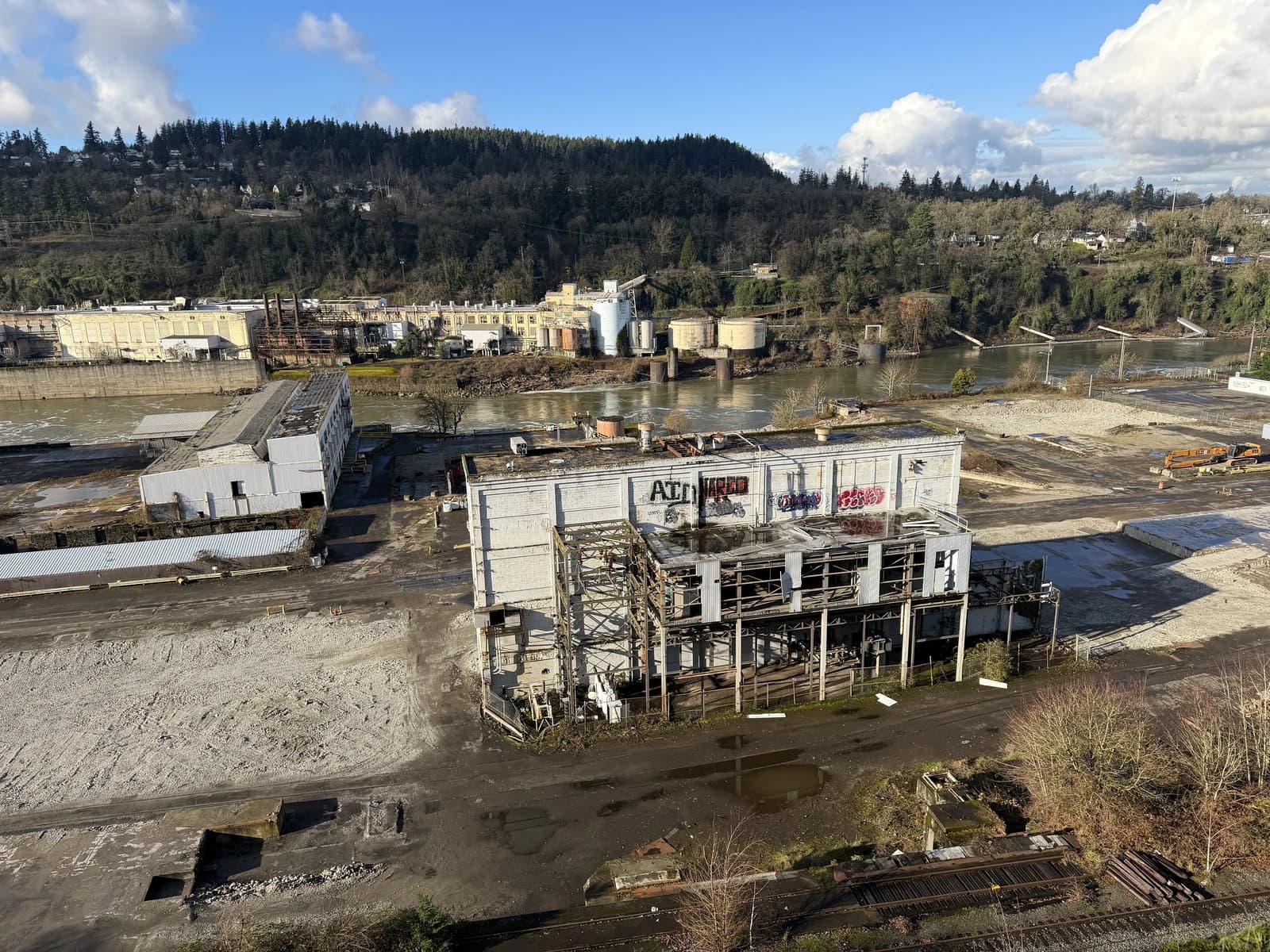
The artificial-intelligence buildout is running into one of its oldest constraints — electricity, land and local politics — as Nvidia and Microsoft back a new generation of data centers in places scarred by heavy industry and energy stress.
What matters economically is that AI infrastructure is no longer just a software story. It is becoming a capital-intensive industrial expansion that depends on power grids, transmission lines, cooling systems and municipal approvals. That shifts the bottleneck from chips and cloud demand toward physical infrastructure, and it raises the cost of scaling AI at the pace investors have come to expect.
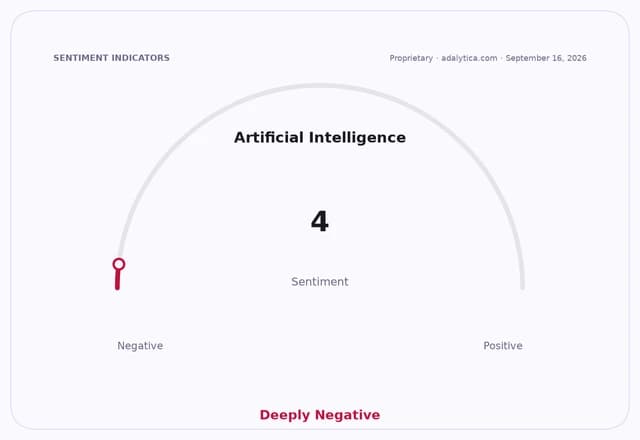
Moody’s estimates the AI data-center boom will require about $110 billion of new power-plant investment in the U.S. alone, underscoring how quickly electricity demand is becoming a defining line item in the AI economy. Nvidia’s own filings say it has lifted supply and capacity commitments to $279 billion, from $119 billion in the prior quarter, as it tries to meet future demand. Microsoft, meanwhile, has flagged power availability and transmission constraints as risks to its cloud and AI strategy in regions around the world.
The result is a global scramble for sites that were once attractive to steel, smelting or other heavy industry because they already had substations, transmission access or political familiarity with large-scale energy users. Egypt is advancing plans for its first large AI data center, a $1 billion, 200-megawatt project using Nvidia technology. In Australia, Nvidia is working with cloud and data-center operators on as much as 2 gigawatts of AI infrastructure by 2027. Elsewhere, governments such as the UAE are revising AI data-center projects amid geopolitical concerns.
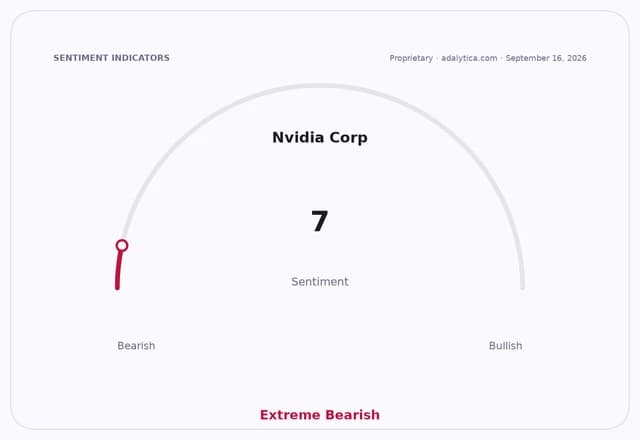
For investors, the key point is that AI winners are widening beyond chipmakers and hyperscalers. Utilities, grid equipment suppliers, cooling specialists and power developers stand to benefit if the buildout continues. Vertiv and Eaton, both exposed to data-center electrification and thermal management, have already highlighted robust demand in the end markets tied to AI. The flip side is that developers and cloud providers face longer lead times, higher capex and potentially lower returns if power access lags behind server demand.
There is also a valuation issue. Nvidia and Microsoft have been rewarded for AI growth, but the market is now having to price in a more industrial operating model: more assets, more commitments and more execution risk. If power shortages delay projects or force redesigns, the economic payoff from AI could arrive later and cost more than bulls have assumed. If energy-efficient cooling or new hardware meaningfully reduces electricity consumption, the current wave of grid spending may look less severe.
The story now is not simply that AI demand is strong. It is that the physical geography of the next industrial cycle is being redrawn around power, and cities with legacy industrial scars may be the places best positioned to capture it.
| Entity | Gains | Losses |
|---|---|---|
| Nvidia | ▲More infrastructure demand | ▼Higher execution risk |
| Microsoft | ▲Expanded cloud capacity | ▼Power and grid constraints |
| Utilities and grid suppliers | ▲New capex cycle | ▼Transmission bottlenecks |
| Host cities | ▲Investment and jobs | ▼Energy strain and land pressure |