AI debt risks rise as rates stay elevated
Debt is emerging as the most dangerous part of the AI boom, and the latest rates backdrop suggests why: long-term borrowing costs remain elevated even as investors continue to fund data-center buildouts, chip purchases and related infrastructure on the assumption that AI demand will justify the spending before the assets age out.
The U.S. 10-year Treasury is forecast at 4.802%, little changed from 4.77% on the previous reading, while the two-year note is seen at 4.375%. That keeps the yield curve relatively flat and financing conditions tight for a capital-intensive sector that is already spending aggressively. For AI infrastructure investors, the problem is not whether demand exists today, but whether it arrives quickly enough to cover debt service before expensive hardware loses value.
That concern is sharpened by the economics of the underlying assets. High-end GPUs and related server equipment can be financed against a useful life often measured in years, not decades. If the return on those assets does not materialize inside that window, leverage can turn into a write-down problem. In other words, the market is not just betting on AI adoption — it is also betting that cash flows will ramp fast enough to outrun depreciation and refinancing risk.
The pressure is showing up in equity and credit behavior. Nvidia, the clearest barometer of the AI hardware trade, closed at $230.36 on Sept. 4, above its 50-day moving average of $210.57 and 200-day average of $196.53, but with momentum no longer as stretched as earlier in the year. Super Micro Computer, another key AI server proxy, rose to $39.59 from $37.87 a day earlier, but remains far below its summer peak and still trades only modestly above its long-term average near $31.37. The sector’s leveraged expression, the SOXL ETF, has rebounded to $117.28, yet it is still well beneath its 50-day average of $145.21 after a violent drawdown, underscoring how quickly sentiment can unwind when the financing narrative comes under stress.
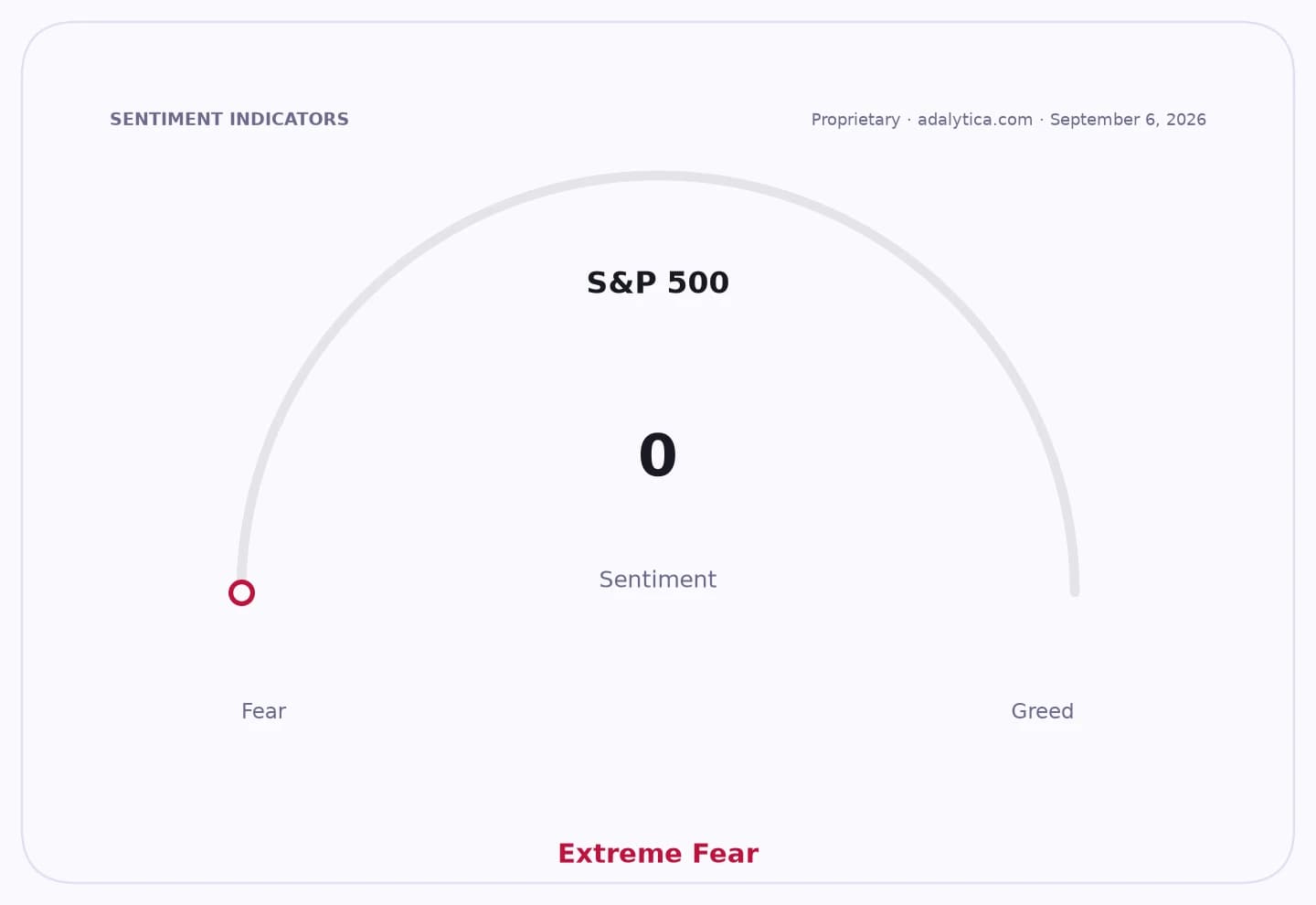
Credit markets are sending a similar signal. High-yield spread readings have narrowed to 2.65 percentage points from 4.16 in April, suggesting investors remain willing to take risk, but that resilience may not extend indefinitely if growth disappoints or refinancing costs stay high. At the same time, Adalytica’s S&P 500 trade signals show “Extreme Fear,” reflecting a broader lack of confidence even as the dollar has strengthened and Treasury bond sentiment has slipped only modestly.
The bull case is that AI infrastructure spending is still early, and the largest customers — hyperscalers and cloud platforms — have the balance sheets to absorb the capex. Nvidia’s cash generation and backlog-linked commitments remain enormous, and the largest platforms continue to backstop data-center and energy buildouts. The bear case is that the financing chain is lengthening just as the hardware cycle shortens, leaving lenders and equity holders exposed if utilization lags or next-generation chips arrive before current ones pay for themselves.
For investors, the key question is no longer whether AI is real, but who in the capital structure gets paid before the hardware ages out. The answer will determine whether this becomes a durable infrastructure cycle or a debt-fueled overbuild.
| Entity | Gains | Losses |
|---|---|---|
| Nvidia and chip suppliers | ▲higher hardware demand | ▼slower AI capex growth |
| AI server makers | ▲revenue from buildout | ▼debt-funding stress |
| Equity investors | ▲upside from AI growth | ▼leverage-driven drawdowns |
| Lenders and bondholders | ▲interest income | ▼default and write-down risk |