AI Governance Costs Rise for Microsoft, Nvidia, Salesforce
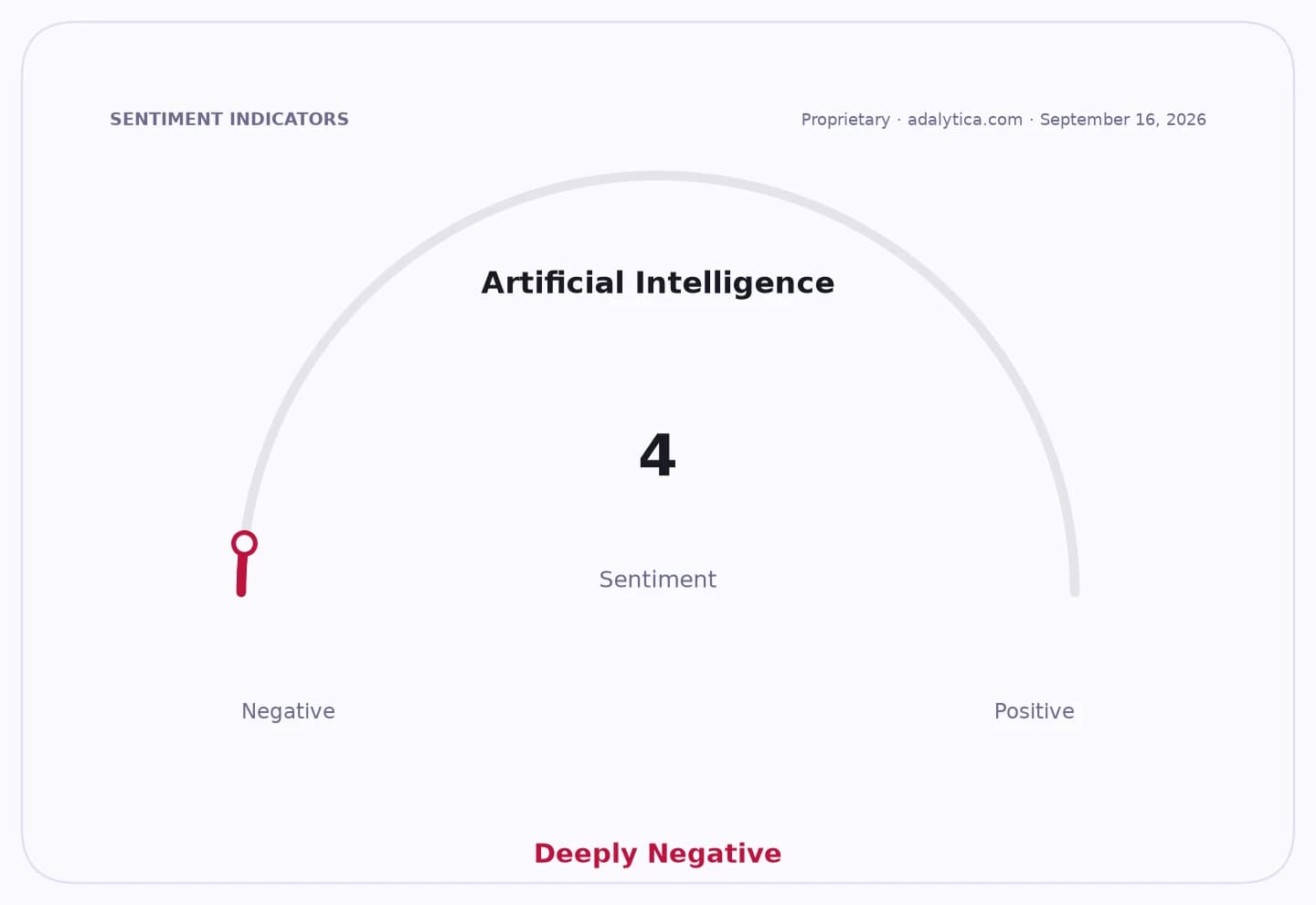
When companies push artificial intelligence into hiring, lending, healthcare and public administration, the biggest operational risk may fall not on the algorithm but on the employee expected to explain it.
A multi-year field study across banking, recruitment and biotechnology found workers rarely deliver AI outputs verbatim. Instead, they soften, amplify or reframe them depending on how the system is deployed, underscoring how accountability can shift to frontline staff even when they did not build or fully understand the model.
That matters economically because AI is no longer a side tool; it is moving into core decision-making where errors can trigger lawsuits, regulatory scrutiny and reputational damage. The research suggests the hidden cost of adoption is not just software spend, but the extra layer of human interpretation firms must finance, train and supervise if they want AI-driven decisions to hold up under review.
The issue is already showing up in corporate disclosures. Microsoft warned in its latest annual filing that AI systems could create legal liability, regulatory action, litigation and competitive harm, while saying the EU’s AI Act may raise costs and affect the operation of its AI models and services in Europe. Nvidia has said governments could restrict frontier AI hardware and software, and Salesforce flagged potential exposure if customers or others rely on AI-generated content to their detriment.
Investors are increasingly treating AI governance as part of the valuation story, not just a compliance footnote. Microsoft shares were last at $489.01, down from $513.53 on Aug. 28, while Nvidia traded at $213.80, above its 50-day moving average of $213.36 but below the recent peaks that briefly stretched technical readings. Salesforce, after surging to $264.43 on Sept. 3, slipped to $250.15 as traders reassessed the durability of the AI trade.
The deeper narrative is that AI adoption is forcing companies to redesign jobs as much as workflows. The study argues firms that treat explainability as a paperwork exercise will leave employees to absorb the blame, while those that build new interpretive roles and critical oversight may reduce legal exposure and improve decision quality.
For markets, that means the next phase of AI spending will not be judged only on model performance or cloud demand. It will also hinge on whether businesses can prove who was responsible when an AI recommendation went wrong.
| Entity | Gains | Losses |
|---|---|---|
| AI adopters with strong oversight | ▲Lower legal risk | ▼Slower rollout costs |
| Frontline employees | ▲Clearer roles and support | ▼Less blame exposure |
| Microsoft, Nvidia, Salesforce | ▲Demand for AI tools | ▼Liability and compliance pressure |
| Regulators and plaintiffs | ▲Stronger accountability | ▼Less room for unchecked deployment |