AI Infrastructure Spreads Gains Beyond Software
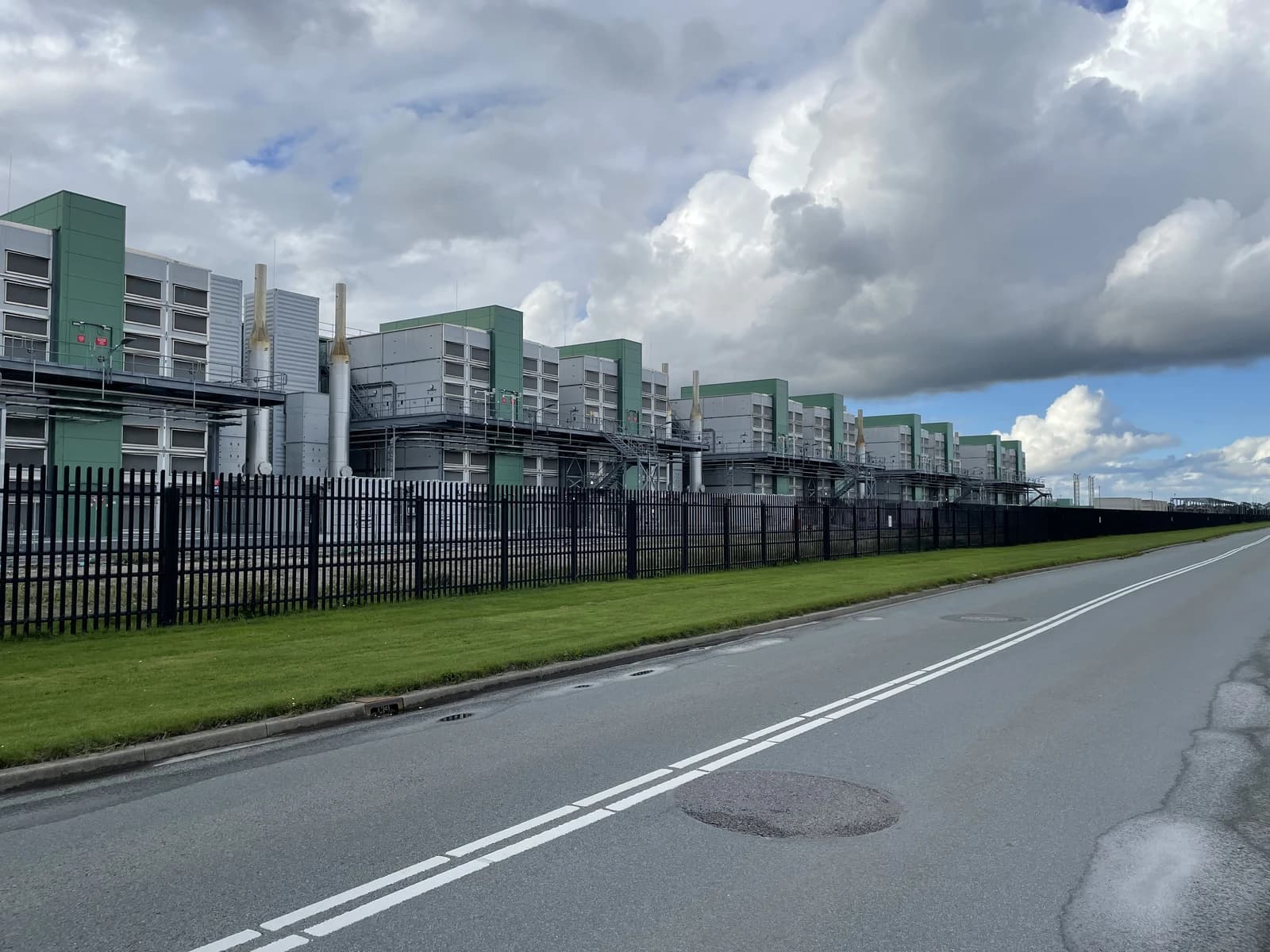
AI’s biggest economic story is no longer the software layer; it is the race to build the land, power and cooling that make the software usable at scale.
That shift matters because the first wave of artificial intelligence investment is looking increasingly like an industrial cycle, not just a technology cycle. The companies and countries that control electricity, data-centre sites, fiber, transformers, construction and maintenance are capturing a growing share of the value creation, while the software layer alone cannot deliver returns without the physical backbone underneath it.
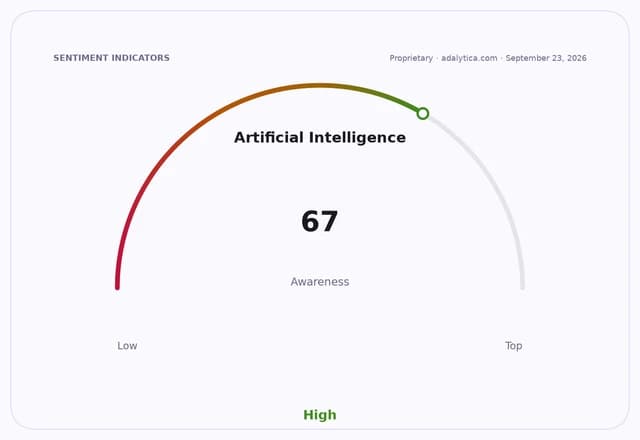
Malaysia is the clearest example in the supplied material. Johor has gone from about 10 megawatts of data-centre capacity five years ago to roughly 110 times that level today, while national capacity could reach 7.7 gigawatts by 2030. Investment in the sector is already equivalent to about 18% of GDP. That scale is large enough to move the macroeconomy: Malaysia’s second-quarter 2026 growth of 6% year on year was helped by manufacturing and construction tied to the data-centre build-out.
For investors, that changes where the opportunity sits. Nvidia, Microsoft and other AI leaders remain the obvious beneficiaries of model demand and cloud usage, but the build-out also creates a second-order trade in less visible winners: utilities, grid equipment makers, landowners, electrical contractors, cooling-system suppliers, logistics firms, financiers and industrial developers. The comments in the source material point to the same logic: an AI economy creates repeated demand for inputs, and those inputs often become the durable cash-generating businesses.
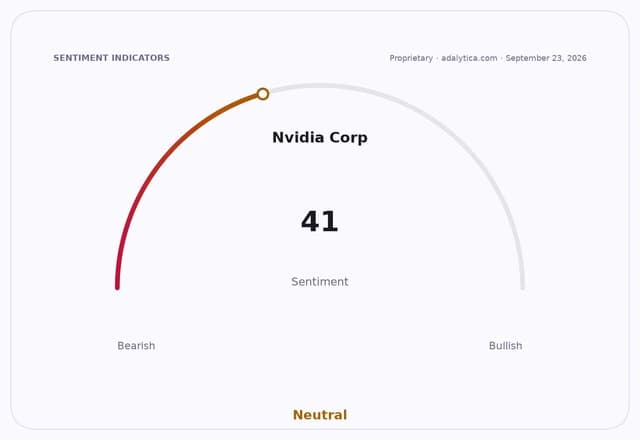
The market backdrop reinforces that message. Nvidia’s shares have been volatile but remain well above their 200-day moving average, while Microsoft has rebounded sharply from its mid-year slump and trades near its recent highs. That shows investors still want exposure to AI leaders, but it also reflects how expensive it has become to chase the frontier names. By contrast, the infrastructure layer is beginning to look like the broader bottleneck trade, especially as Microsoft, Nvidia and peers disclose rising capital commitments and longer-dated supply obligations.
The strain is not abstract. Nvidia’s filing said expanding land, power, shell and energy access is a multi-year process with regulatory and construction hurdles, and that demand may be constrained by capital access for smaller companies. Microsoft and other cloud groups are also committing heavily to technical infrastructure, underscoring that the cloud is becoming a capital-intensive, physical business. In practical terms, that means permitting, electricity availability and water access are no longer background issues; they are central to whether AI capacity can be deployed at all.
That is the narrative behind the Ghana-focused argument in the source material. The central question is not whether a country can host AI assets, but whether it can capture value around them. Ghana has lived this before with cocoa, gold and oil: producing the commodity is not the same as owning the processing, services, finance and intellectual property around it. AI repeats that pattern unless policy and capital deliberately push local firms into the supply chain.
Malaysia’s second lesson is more subtle and more important for policymakers. It is becoming selective about what kind of data-centre investment it wants, favoring projects that create skilled jobs, research capacity and domestic suppliers rather than only server farms. That distinction matters because the first kind of investment deepens an economy; the second can leave behind a large physical footprint and relatively shallow local capability.
For investors, the bull case is that AI infrastructure spending remains underappreciated and can continue for years as digital demand collides with power and land constraints. The bear case is that the build-out becomes too concentrated, too power-hungry or too dependent on imported equipment and foreign capital, leaving local economies with costs but little control over profits. The winners are the jurisdictions and suppliers that can scale energy, land and engineering. The losers are the places that confuse hosting infrastructure with owning the value chain.
| Entity | Gains | Losses |
|---|---|---|
| AI infrastructure suppliers | ▲Higher demand for power, land and cooling | ▼Dependence on capex cycle |
| Big tech cloud leaders | ▲Scale and customer lock-in | ▼Rising infrastructure costs |
| Host countries with grids and skills | ▲Investment, jobs, growth | ▼Water and power strain |
| Countries without local supply chains | ▲Limited value capture | ▼Imported profits and shallow spillovers |