Economists and tech leaders are warning that artificial intelligence could unleash “large-scale job displacement,” turning what has been a market story about productivity and earnings into a broader labor-market risk for the U.S. economy and global employers.
AI Job Displacement Raises Labor and Market Risks
The warning matters because AI is moving from pilot projects into workflows that touch hiring, payroll, customer service and back-office operations. That raises the odds of faster efficiency gains for companies, but also a sharper hit to white-collar and administrative jobs than many policymakers and investors had been pricing in.
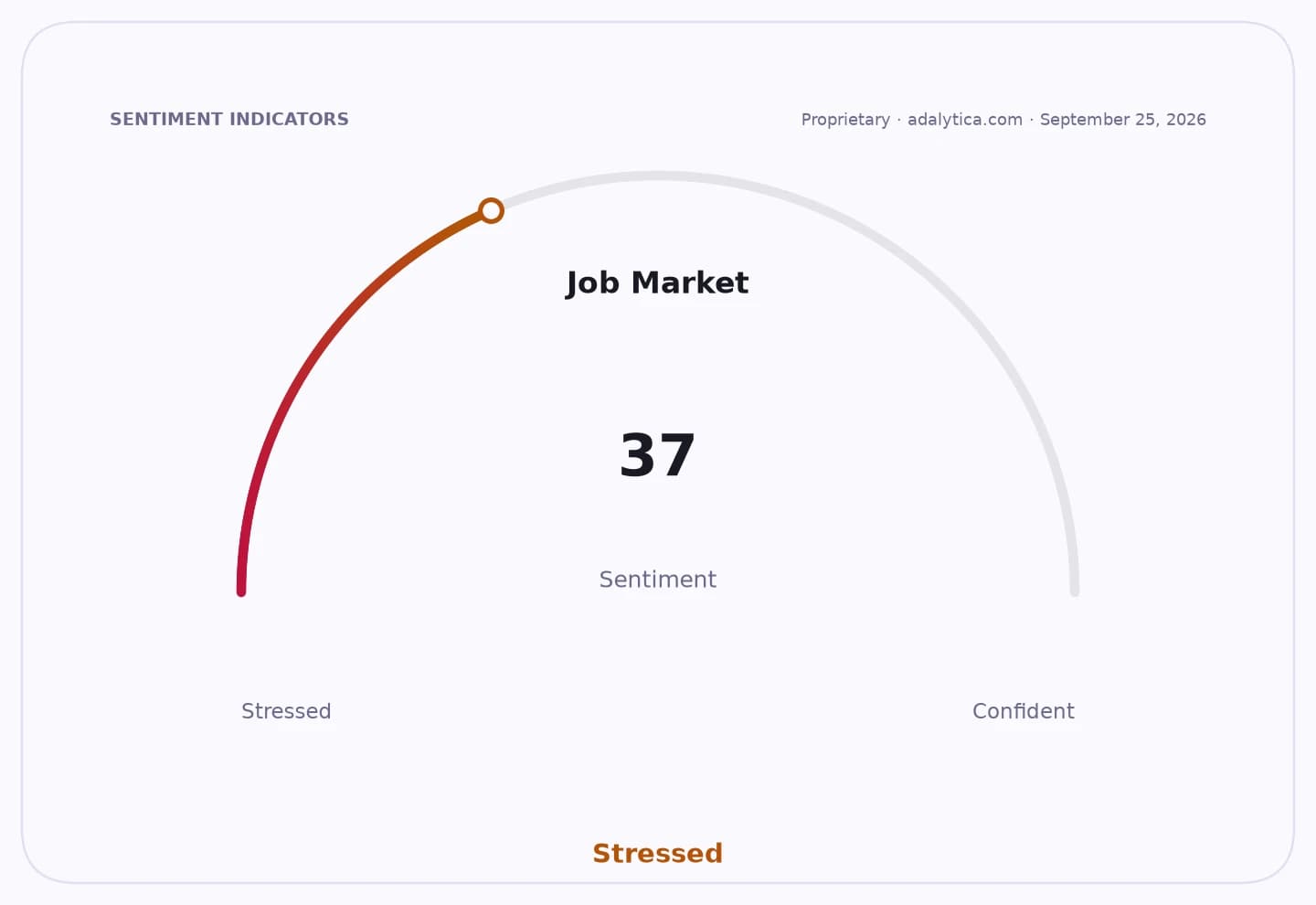
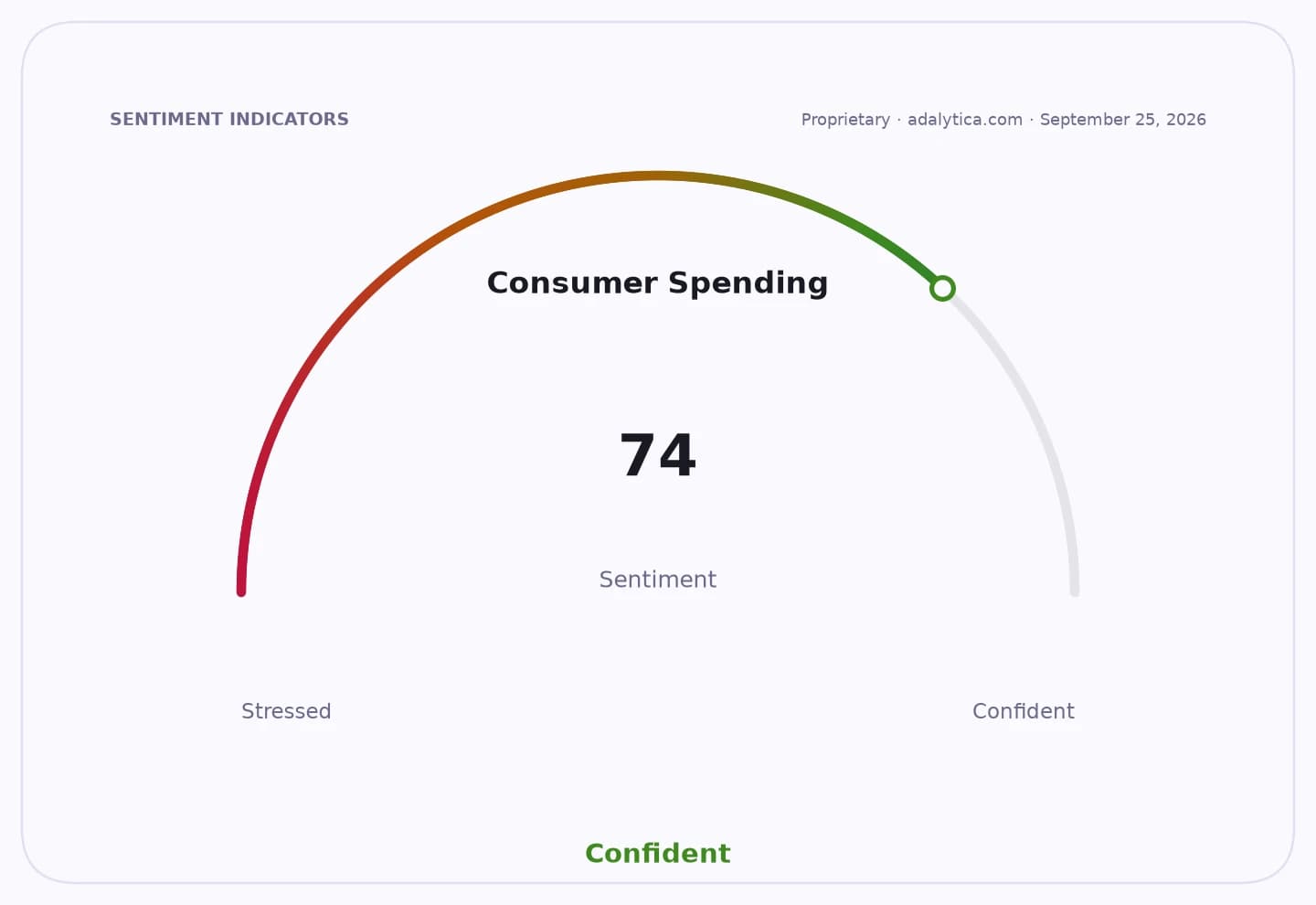
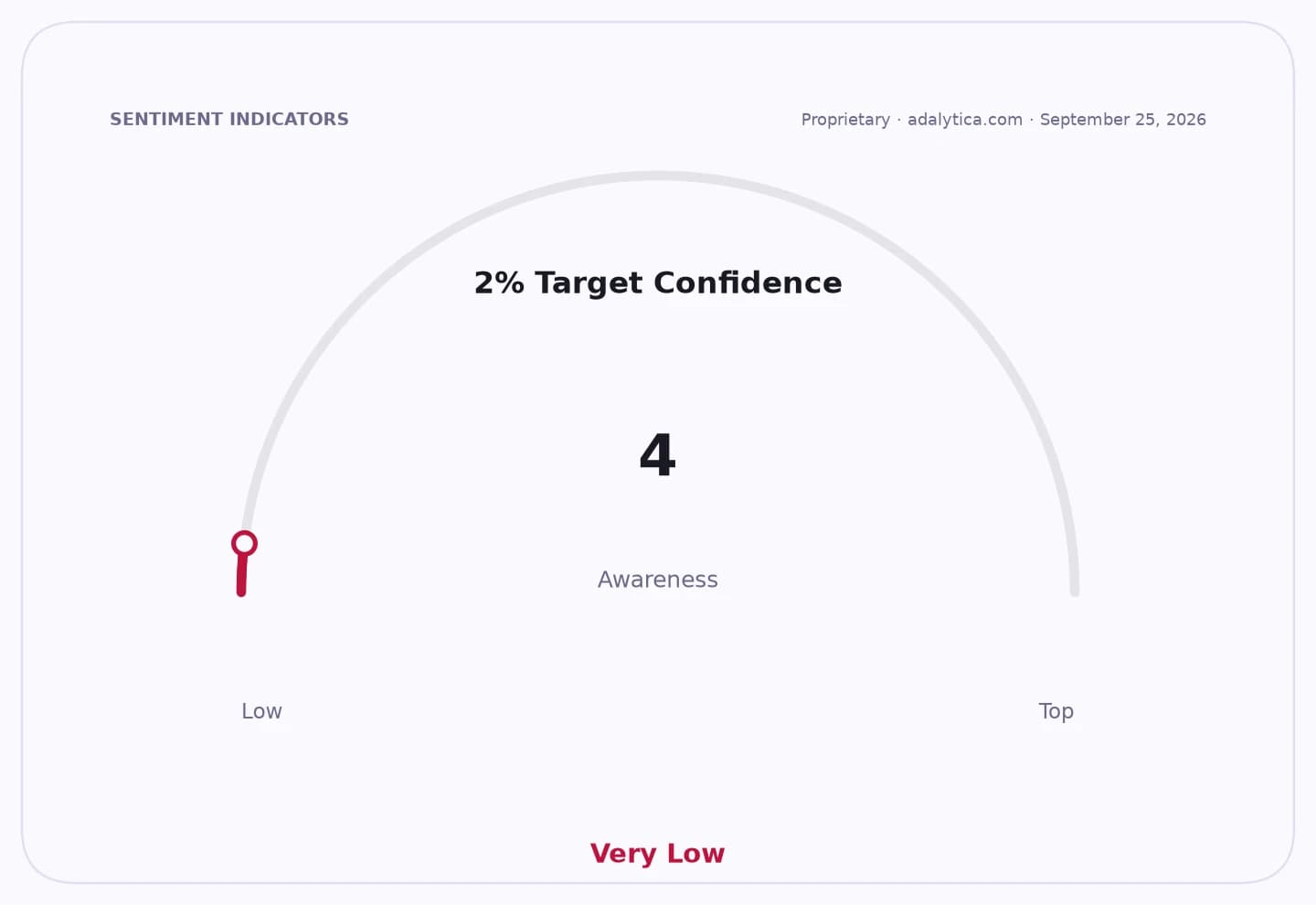
Sentiment IndicatorsⓘProprietary · adalytica.com · July 14, 2026
This is a snapshot — live sentiment, awareness and momentum for 130+ markets update continuously in the dashboard.Open AlphaPulse
That tension is already showing up in market leaders tied to the AI buildout. Nvidia shares have swung between $170.07 and $235.47 over the past several months and closed at $211.13 on July 14, above both the 50-day average of $209.20 and the 200-day average of $191.77, while RSI readings at 60.2 suggest the stock is not yet in deeply overbought territory after a strong run. Microsoft closed at $385.89 on July 14, still well below its 50-day average of $402.26 and 200-day average of $439.53, even as a separate Adalytica earnings sentiment gauge sits at 89, labeled “Extreme Greed,” underscoring how investors remain focused on AI monetization despite the labor debate.
The economic issue is not whether AI creates new jobs over time, but how fast it destroys old ones. If AI wipes out “dirty, dangerous and dull” tasks first, the hit could come in logistics, support functions, data entry and other repetitive roles before workers can move into higher-value jobs, pressuring consumption and forcing companies to spend more on retraining and retention.
That risk also carries policy implications. A sudden rise in displacement would intensify pressure on governments to reconsider unemployment support, retraining programs and rules around AI use in recruitment and workforce management. It also puts a finer point on the debate over whether AI should be treated as a productivity boom first or a labor shock first.
For investors, the key question is whether AI-driven margin expansion will outpace the costs of restructuring and regulation. The biggest winners remain the companies selling the chips, cloud capacity and software layers powering adoption, while the biggest losers could be employers with large clerical workforces and firms that face slower hiring or higher labor friction.
The next catalyst is whether more major companies quantify AI-related job cuts or efficiency targets in upcoming earnings and whether regulators respond with fresh scrutiny over how AI is used in hiring and workforce management.
| Entity | Gains | Losses |
|---|---|---|
| Nvidia, Microsoft, AI vendors | ▲Higher demand for AI tools | ▼Exposure to regulatory pushback |
| Employers automating workflows | ▲Lower labor costs | ▼Restructuring and retraining expenses |
| White-collar workers | ▲Potential new AI roles | ▼Job displacement risk |
| Policymakers | ▲Productivity gains to tout | ▼Pressure for labor-market intervention |