AI Production Could Lift Media Margins
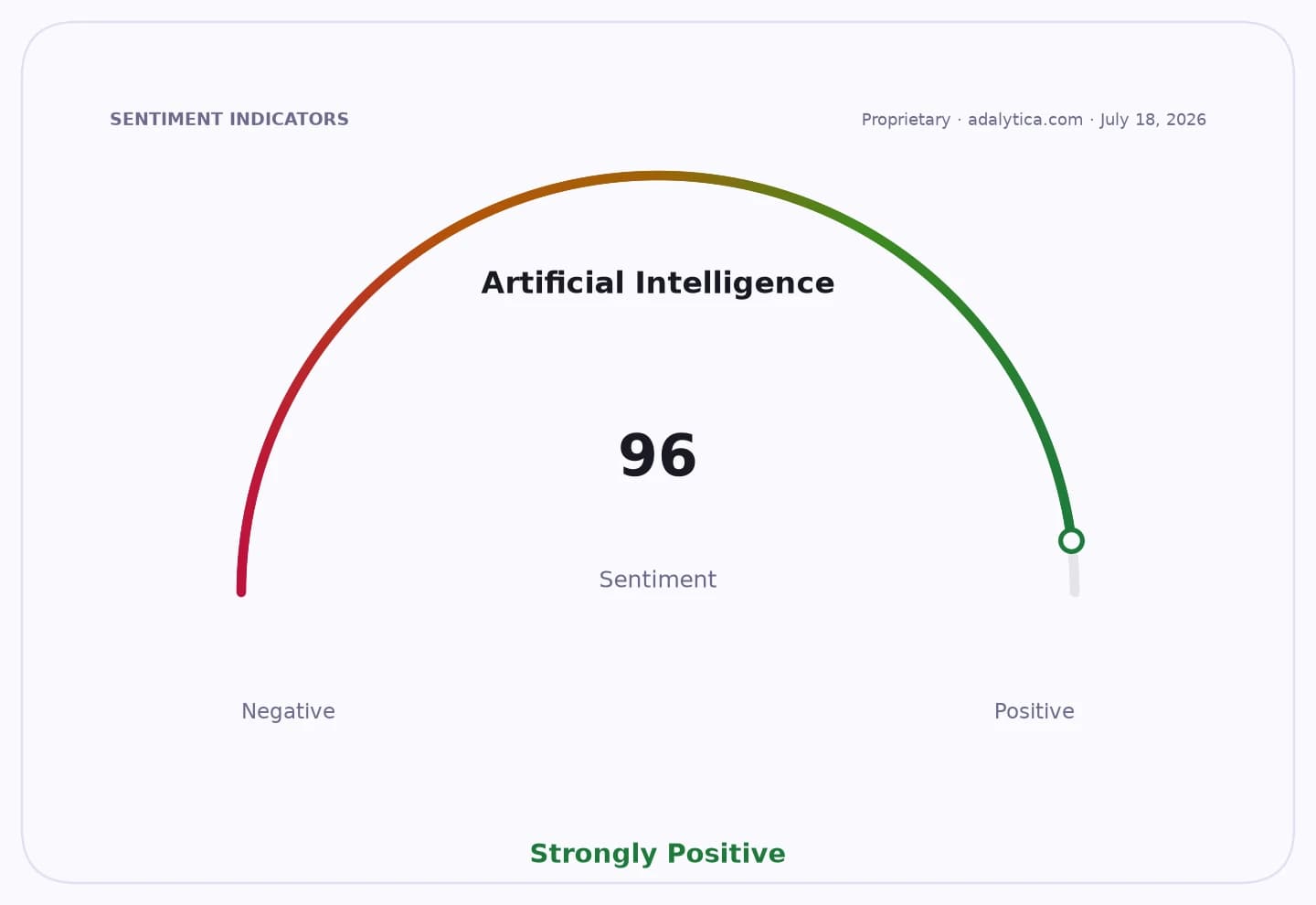
AI-generated film production is moving from novelty to industrial workflow, and that matters because entertainment budgets are one of the biggest pressure points in media economics.
The clearest signal is not just that the Bayreuth Festival is premiering an opera created entirely by artificial intelligence, but that major platforms are now hardening rules around synthetic media at the same time. TikTok’s push to label popular AI-generated videos shows the industry is no longer debating whether AI content exists; it is figuring out how to disclose, distribute and monetize it. The result is a new split in creative media: AI is becoming a production tool, while transparency and authenticity are becoming the product differentiators.

That shift has direct economic implications for studios, streamers and the creators that supply them. Film and TV production is labor-intensive, expensive and increasingly margin-sensitive, especially after a period of elevated content spending across streaming. If AI can reduce pre-production time, speed concept development, lower visual-effects costs or automate elements of localization and editing, the economics of content libraries and original programming could improve. If it cannot deliver consistent quality, then it remains a cost-saving tool at the margins rather than a substitute for human-led production.
Investors should care because the winners and losers are becoming easier to map. Companies with scale, data, and distribution — including Netflix, Disney and Amazon — are better positioned to experiment with AI in controlled ways than smaller studios that depend on premium creative talent and higher per-title economics. Netflix’s latest filing still shows content amortization and delivery expenses as the core cost drivers, underscoring how much of the streaming model depends on squeezing efficiency out of the content pipeline. Any technology that lowers the cost of development or post-production could support margins over time, particularly if subscriber growth remains hard to accelerate.
The stock market is already treating AI as a decisive investment theme, but this story is more complicated than simple enthusiasm. Adalytica’s AI sentiment gauge shows Extreme Greed, while broader market trade signals are neutral, suggesting investors are excited about AI’s long-term promise but not fully convinced about near-term earnings translation. That gap matters. For media companies, AI may create operational upside long before it shows up in consensus estimates, which means valuation support could lag the narrative.
There is also a bear case. Skeptics such as Christopher Nolan argue AI-generated content may lack the quality, originality and emotional depth that drive franchise value. That is not a cosmetic objection; in entertainment, a small hit-rate advantage can matter more than brute-force volume. If AI floods the market with cheaper but weaker content, it could dilute brands, pressure pricing and increase the need for human curation. For rights holders, the bigger risk is not just creative displacement but a tougher battle over copyright, compensation and audience trust.
The broader narrative is that AI is becoming part of the media production stack, much as digital editing, CGI and streaming distribution once did. But unlike those earlier shifts, this one raises sharper questions about authorship, authenticity and disclosure. That is why the label on an AI-generated video and the debut of an AI-created opera belong in the same story: both show that the industry is learning to operationalize synthetic content even as it builds guardrails around it.
For investors, the next catalyst is not whether AI will appear in film production, but whether it meaningfully changes content costs, turnaround times and hit rates. If it does, it could become a quiet but important margin lever for the largest entertainment platforms. If it does not, the market may eventually reclassify much of the current AI excitement as a creative story rather than a financial one.
| Entity | Gains | Losses |
|---|---|---|
| Netflix, Disney, Amazon | ▲Lower production costs | ▼Human-heavy workflows |
| AI toolmakers | ▲New studio demand | ▼Creative skepticism |
| Artists and writers | ▲Faster workflows | ▼Bargaining power |
| Audiences | ▲More content options | ▼Trust in authenticity |