AI regulation debate boosts Nvidia, Microsoft, Meta
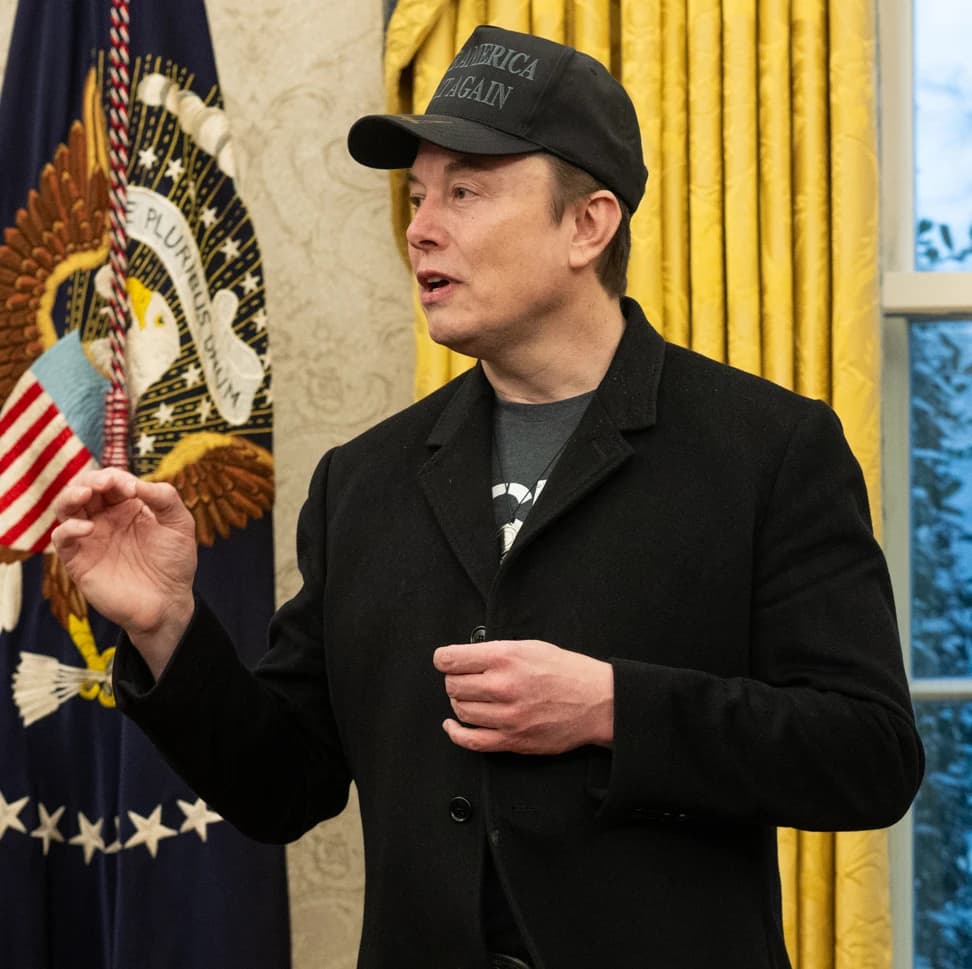
Silicon Valley’s biggest power players are moving to shape the next phase of AI oversight before Washington locks in rules that could slow the sector’s capital boom.
That is the real market significance of Elon Musk and Mark Zuckerberg meeting Donald Trump at the White House to push back against a new regulatory board for artificial intelligence, while Jensen Huang argued existing laws are enough. The message from the industry is clear: keep the door open for rapid model releases, heavy cloud spending and data-center buildouts, or risk handing advantage to China and to rivals that can move faster under a lighter touch regime.
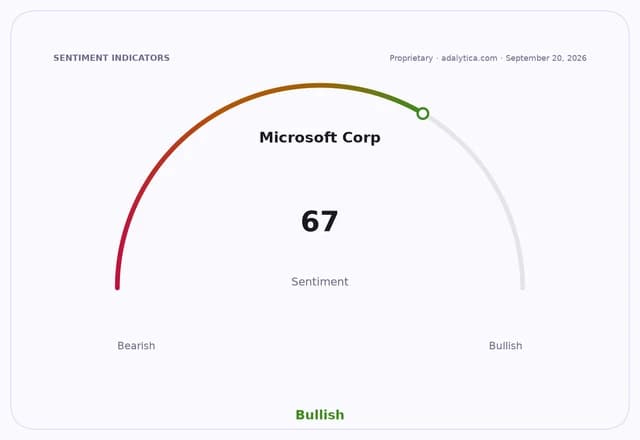
For investors, this is not just a policy headline. It is a valuation event for the entire AI stack. The market has already rewarded the companies closest to compute and model deployment, and the latest tape shows how much is riding on the policy path. Microsoft has climbed back toward the $500 level after a deep mid-year selloff, while Meta has surged from a spring low near $525 to above $665 and Nvidia has rebounded to about $222. The stocks are still volatile, but the underlying trade remains intact: any delay to restrictive AI rules extends the runway for capex, training demand and infrastructure monetization.
The battle line is straightforward. Demis Hassabis of Google DeepMind and Anthropic’s Dario Amodei had backed a proposal for a new regulatory body to set AI safety standards. Musk, Zuckerberg and Huang opposed it in private Oval Office meetings, arguing that a narrow oversight regime would centralize power in a handful of companies and weaken competition. Trump then dismissed AI safety worries as a “con job” and “hoax,” saying current laws already give agencies enough authority. In plain English, the White House is signaling that the first version of AI regulation, if it comes at all, is more likely to be industry-guided than industry-constraining.
That matters because AI is no longer an abstract software story. It is a capex cycle. Microsoft, Meta, Google and Nvidia are all exposed to a world in which frontier-model development keeps consuming more chips, more energy and more networking gear. The firms themselves acknowledge the risk in filings: Microsoft says governments may restrict advanced AI models on safety and cybersecurity grounds, while Meta warns that evolving AI rules could affect data use, platform moderation and model release. The point is not that regulation disappears. It is that a slower, looser framework preserves the economics of scale for the biggest spenders and the biggest suppliers.
The market is already telling you where the money goes next. Nvidia remains the purest pick-and-shovels play on frontier AI investment, with demand tied to every round of training and inference expansion. Microsoft is the infrastructure and cloud lever, with AI layering into Azure, enterprise software and Copilot monetization. Meta is the application-side beneficiary, using AI to improve ad targeting and engagement while keeping its own model investment aggressive. Google parent Alphabet also benefits if the regulatory climate favors competition through speed rather than compliance through bureaucracy. In this setup, the losers are smaller entrants that would struggle to absorb the cost of heavier licensing, pre-clearance or government review.
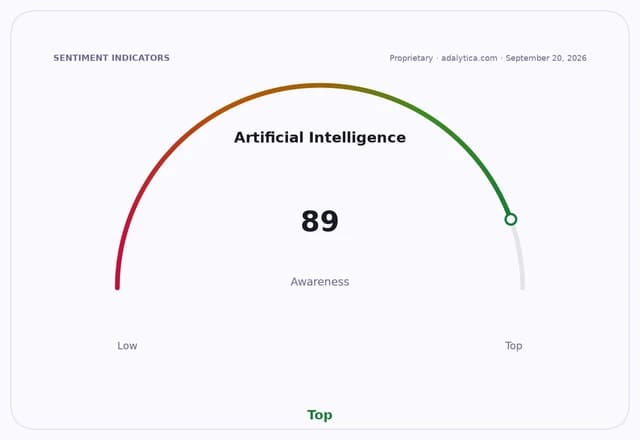
Adalytica’s AI sentiment reading is flashing a different message from the headlines: fear remains low at 19 while awareness is elevated at 89, a classic sign that attention is high even as conviction remains unstable. That is exactly the kind of backdrop that creates opportunity. When a sector is broadly understood but not yet consensus-settled, policy can still re-rate the winners quickly.
My view is that investors should treat this as an acceleration signal for the AI trade, not a reason to fade it. If Washington leans toward self-regulation, peer review or light-touch oversight, the next leg higher goes to the companies with the deepest balance sheets, the most compute demand and the strongest distribution. If you want exposure before the market fully prices that outcome, stay with the AI infrastructure leaders rather than chasing the newest app names. The regulatory fight is not a side story — it is one of the main catalysts for the next phase of the AI megatrend.
| Entity | Gains | Losses |
|---|---|---|
| Nvidia | ▲More chip demand | ▼Tighter model controls |
| Microsoft | ▲Faster Azure AI monetization | ▼Compliance-heavy oversight |
| Meta | ▲Looser path for AI rollout | ▼Slower product iteration |
| Smaller AI startups | ▲Niche visibility | ▼Higher regulatory burden |