AI-driven rehabilitation tools and virtual reality are moving from novelty to necessity, and that matters because healthcare systems are under pressure to do more with less while helping patients recover faster and more consistently.
AI Rehab Gains Traction in Healthcare
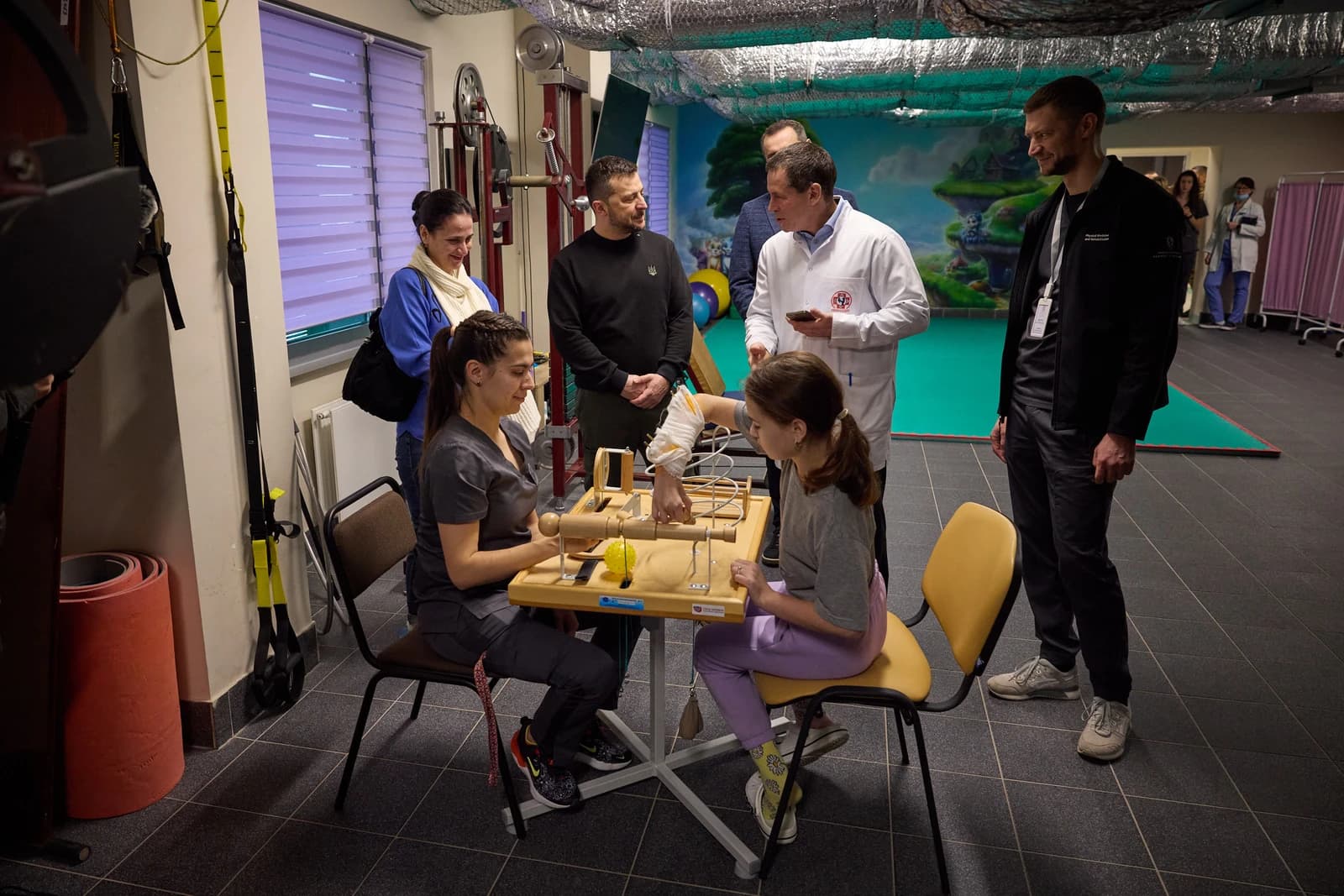
Teletón’s push to promote projects that use AI and VR to strengthen rehabilitation points to a broader trend in medicine: digital tools are becoming part of the care process, not just a nice-to-have add-on. For investors, that is significant because the winners in healthcare technology are increasingly the companies that can make treatment more scalable, measurable and personalized. That is where long-term compounders are usually built.
Sentiment IndicatorsⓘProprietary · adalytica.com · July 13, 2026
This is a snapshot — live sentiment, awareness and momentum for 130+ markets update continuously in the dashboard.Open AlphaPulse
The economic case is straightforward. Rehabilitation is labor-intensive, expensive and often inconsistent from patient to patient. AI can help clinicians track progress, tailor exercises and flag setbacks earlier, while VR can make therapy more engaging and repeatable. In a world where hospitals and rehab centers are facing cost pressure and staffing shortages, technology that improves throughput without lowering quality can unlock real productivity gains.
That is why the market keeps rewarding companies tied to digitized care. The recent stock moves in healthcare names such as Intuitive Surgical and Veeva Systems show investors are still willing to pay for businesses that sit at the center of modern care delivery, even when broader sentiment is uneven. Intuitive Surgical remains a premium franchise because its robotic ecosystem creates recurring demand for instruments, accessories and services. Veeva continues to benefit from the same larger theme: healthcare customers want software and data tools that make complex workflows more efficient. AI rehab belongs in that same long-duration innovation bucket.
There is also a portfolio lesson here. The Adalytica AI gauge sits at neutral sentiment with fear in awareness, while the broader S&P 500 signal has also cooled. That does not change the investing thesis. It simply reinforces a familiar pattern: when markets are cautious, durable trends often become more attractive for patient investors who think in years, not weeks. Companies exposed to AI-enabled healthcare, robotics and software can still compound through volatility if they keep building moats and recurring revenue.
Of course, the opportunity is not risk-free. Reimbursement, clinical validation and adoption speed will determine which projects become real businesses and which stay pilot programs. Investors should be selective and prefer firms with strong balance sheets, proven product-market fit and a clear path to free cash flow. In healthcare, the best compounders usually do not win by being flashy; they win by becoming indispensable.
The big takeaway is that AI and virtual reality rehabilitation is more than a feel-good story. It is part of a larger shift toward data-driven, scalable healthcare delivery, and that makes it worth watching closely. For long-term investors, the best way to play the theme is through diversified exposure to the medical technology and healthcare software leaders most likely to benefit as digital rehab moves from experiment to standard practice.
| Entity | Gains | Losses |
|---|---|---|
| Teletón and rehab providers | ▲Better outcomes, more efficient care | ▼Higher implementation costs |
| Patients | ▲More engaging therapy, faster recovery support | ▼Risk of uneven access |
| Medtech and health software firms | ▲New recurring revenue streams | ▼Slower adopters and niche vendors |
| Traditional labor-heavy rehab models | ▲— | ▼Pressure from automation and digitization |