AI Semiconductors Shift Toward Memory and Networking
AI chip demand is still driving the semiconductor trade, but the next phase of the market is increasingly about memory supply, capex discipline and macro pressure rather than just Nvidia-fueled enthusiasm.
That shift matters because the AI buildout now spans far more than processors. Nvidia’s shares ended at $222.27 on Sept. 18, above their 50-day moving average of $214.07, while AMD finished at $559.82, near the top of its recent range and well above its 50-day average of $495.85. Micron closed at $1,015.80, also above its 50-day average of $927.26, underscoring how investors are still paying up for the parts of the supply chain tied to data-center expansion.
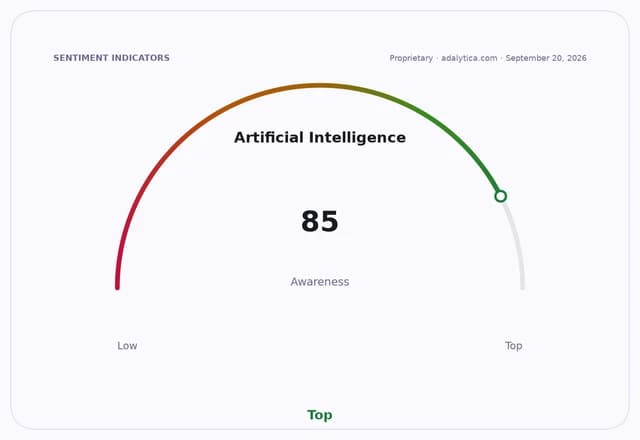
But the market is no longer rewarding the entire complex uniformly. Adalytica’s AI gauge shows sentiment at 22, or “Fear,” even as awareness reads 85, or “Greed,” suggesting the theme remains heavily watched but more fragile than at the height of the rally. Nvidia’s own earnings sentiment sits at 19, also “Fear,” while its 30-day change is still sharply negative, a sign traders are becoming more selective about where AI upside really accrues.
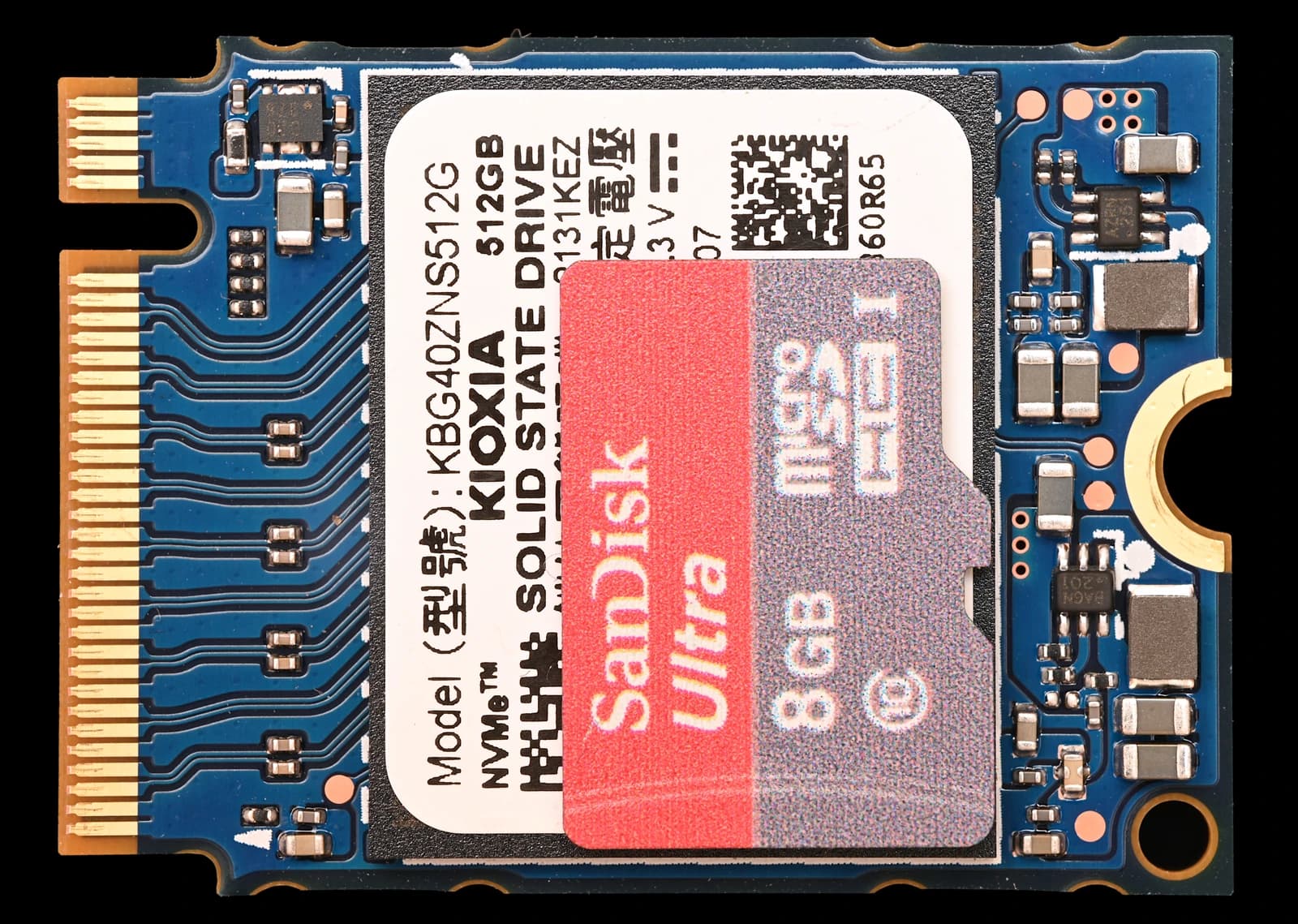
That caution is reinforced by the memory side of the business. Kioxia, one of the major NAND flash suppliers, sits in a market where competition is intense and pricing can turn quickly, according to filings from Micron and Qualcomm. The central issue for investors is whether AI data centers keep absorbing memory, storage and connectivity fast enough to support today’s valuations, or whether oversupply and shorter product cycles start to compress margins.

Japan’s move to raise policy rates to around 1.25% adds another layer. A stronger yen and higher domestic borrowing costs can squeeze Japanese manufacturers, while also influencing capital allocation across the semiconductor supply chain. For global investors, that matters because much of the storage and equipment ecosystem is anchored in Japan, and tighter financial conditions can ripple through investment plans, financing costs and foreign-exchange hedging.
The backdrop remains constructive, but more uneven. ASML’s higher revenue outlook points to continued foundry and logic investment, while GlobalFoundries and Marvell are still expanding around AI networking and data-center connectivity. At the same time, regulatory pressure on advanced chip sales to China remains a key overhang, limiting how much of the AI boom can translate into unrestricted global demand.
For investors, the message is that AI semiconductors are still a growth story, but the winners are narrowing. Near term, attention will stay on memory pricing, supply commitments, China restrictions and whether the next round of earnings confirms that AI infrastructure spending is broadening beyond GPUs into storage and networking.
| Entity | Gains | Losses |
|---|---|---|
| Nvidia, AMD | ▲AI accelerator demand | ▼Valuation multiple if spending slows |
| Micron, Kioxia | ▲Memory/storage demand from data centers | ▼Pricing power if supply tightens less than expected |
| Japanese chip suppliers | ▲Export-linked AI hardware orders | ▼Margin pressure from higher rates and yen strength |
| Investors in AI semis | ▲Exposure to AI capex growth | ▼Risk from regulation, cyclicality and crowded positioning |