Air Force plans $2B B-21 base at Ellsworth
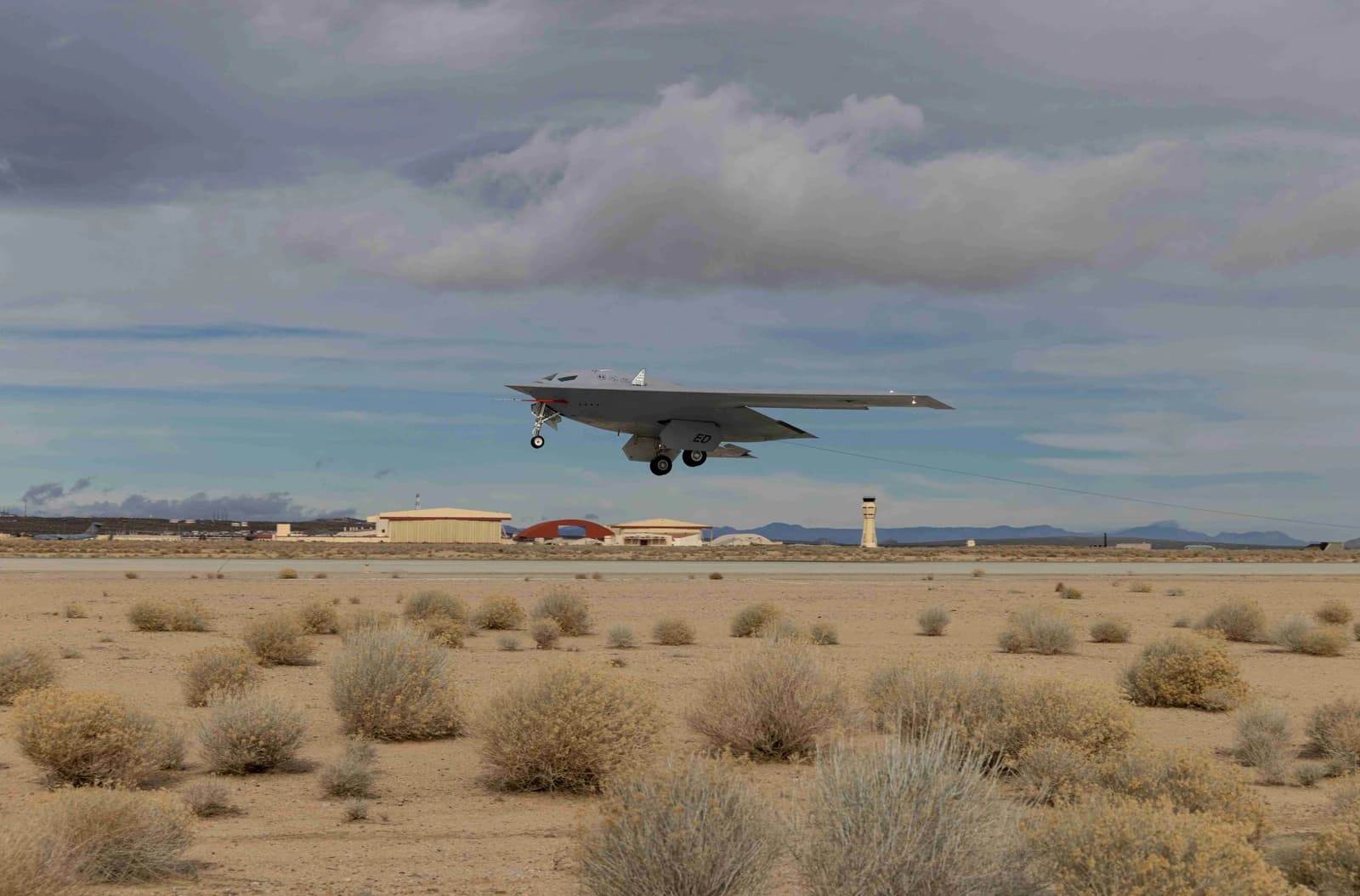
The U.S. Air Force is committing about $2 billion to turn Ellsworth Air Force Base in South Dakota into the first main operating site for the B-21 Raider, a signal that the stealth bomber program is moving from development to the expensive, decades-long work of fielding a new nuclear-capable strike fleet.
The investment matters because the B-21 is not just another aircraft procurement. It is the backbone of the Pentagon’s next generation long-range deterrent, built to penetrate defended airspace and carry both conventional and nuclear weapons. Upgrading the base before the first aircraft arrive in 2027 underscores how much of the program’s cost sits outside the jets themselves: specialized low-observable maintenance facilities, secure networks, mission systems, hangars, wash racks and training infrastructure all have to be built to support a platform that cannot operate like a conventional bomber.
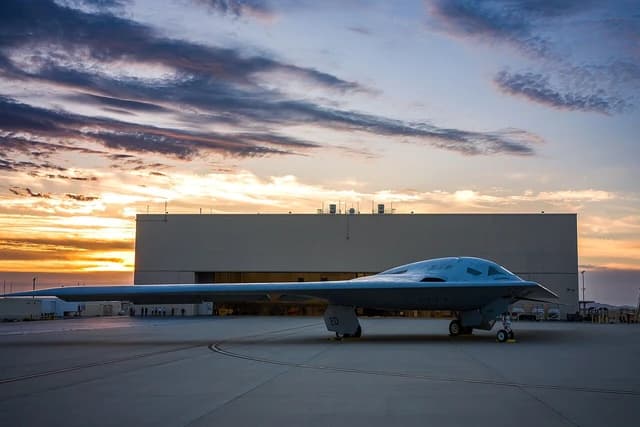
For Northrop Grumman, the prime contractor on the B-21, the base conversion reinforces that the program is entering a phase of real industrial execution rather than just design and test milestones. The company has already said the Air Force agreement to expand production capacity helped lift B-21 sales in the first quarter, and the service’s decision to activate a dedicated B-21 Integration Detachment at Ellsworth shows that fielding work is now becoming a standing operational priority. That tends to support the bull case for a program that can generate years of production, sustainment and modernization revenue.
For investors, the development also sharpens the competitive and budget backdrop across the U.S. defense complex. Northrop, Lockheed Martin and RTX all trade on expectations that elevated geopolitical risk and a more demanding deterrence posture will keep U.S. defense spending resilient. But the Ellsworth buildout is also a reminder that B-21 is a high-capital program with a long ramp, and execution risk remains. Delay in infrastructure, training or integration could push out operational readiness, while any change in budget priorities would test the program’s funding profile. Even so, the Air Force’s willingness to spend billions on the ground architecture around the bomber suggests the program is too central to strategic planning to be easily slowed.
The broader message is that the U.S. is not simply buying a new stealth bomber; it is rebuilding the support system for a new long-range strike force. That has implications for decades of contracts, from construction and communications to maintenance and depot support. For shareholders, the near-term market reaction may be less important than the longer runway: the B-21 is becoming a multi-cycle earnings theme, with the winners likely to be the prime and its supply chain, and the losers those hoping for a slower defense modernization spend.
| Entity | Gains | Losses |
|---|---|---|
| Northrop Grumman | ▲B-21 production runway | ▼Program execution risk |
| U.S. Air Force | ▲Long-range strike readiness | ▼Upfront infrastructure cost |
| Defense suppliers | ▲Base, systems, sustainment work | ▼Budget squeeze risk |
| Taxpayers/budget hawks | ▲Strategic deterrence | ▼Higher long-term spending |