AirAsia seeks US$1 billion refinancing plan
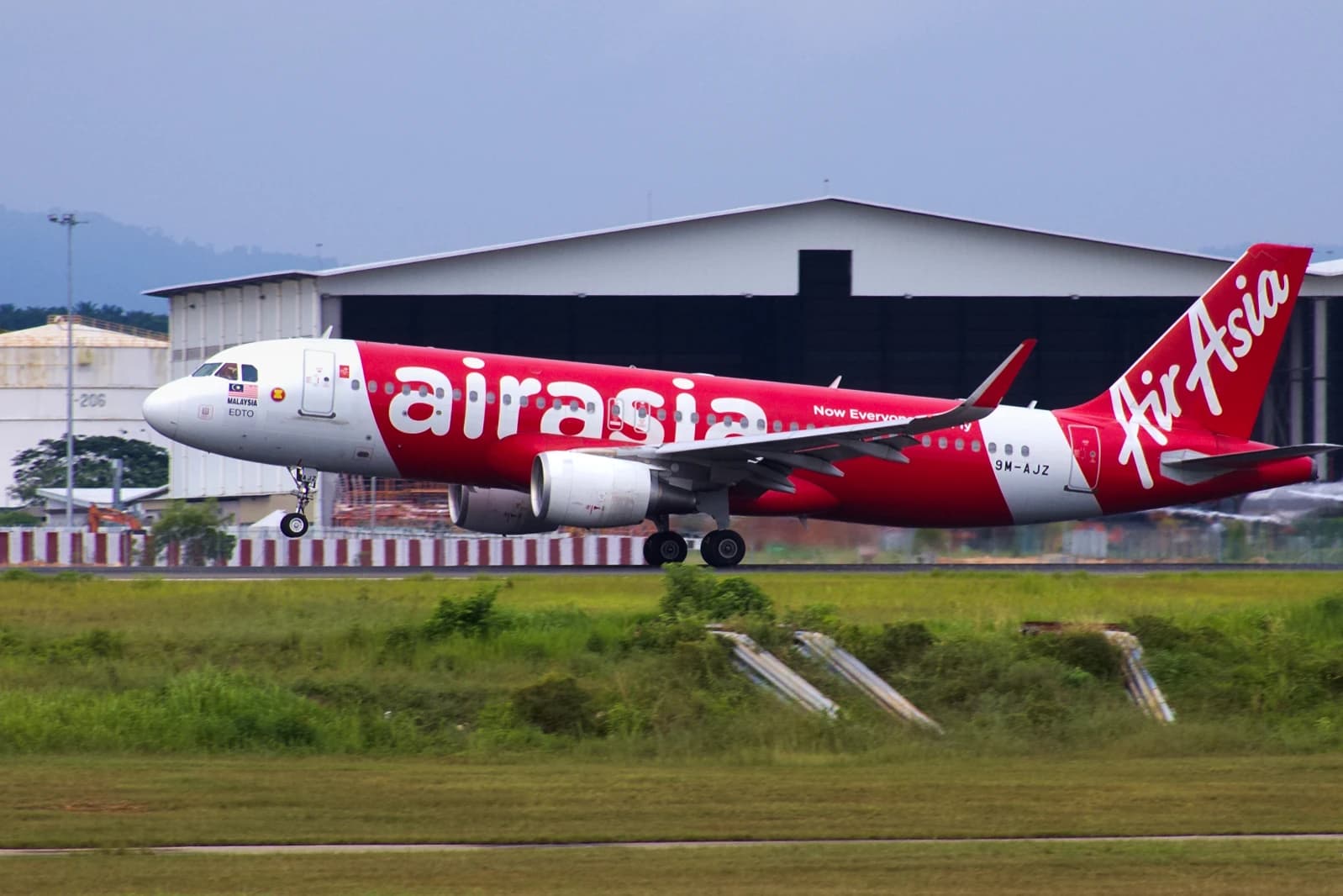
AirAsia’s plan to raise about US$1 billion to refinance debt and repair its balance sheet matters because it puts fresh pressure on the airline’s cost of capital at a time when aviation funding remains selective and investors are rewarding balance-sheet discipline over growth. For a carrier still managing legacy leverage, the financing is less about expansion than survival on better terms.
The move highlights how airlines that came through the pandemic with heavier debt loads are still working through the hangover of higher rates and uneven profitability. AirAsia is trying to swap near-term financial strain for a longer-dated capital structure, a step that can reduce refinancing risk if it succeeds and buy time to stabilize cash generation. If it fails to win enough demand, the company could be forced to accept more expensive funding or heavier dilution.
The broader airline backdrop helps explain why the market is watching closely. Peer carriers have been using refinancings and asset-backed deals to strengthen liquidity, while weaker operators and service providers in aviation are still vulnerable to restructuring or failure. That split underscores a market where access to capital is increasingly determined by asset quality, cash flow and route economics rather than the airline label alone.
For investors, AirAsia’s fundraising is a read-through on both credit conditions and sector confidence. A successful deal would suggest lenders and structured-finance buyers still see enough recovery value in a large regional carrier to extend fresh money. That could support sentiment across Asian aviation credits and equity, especially for carriers with visible liquidity. A weak reception, by contrast, would reinforce concerns that refinancing windows are narrowing just as airlines need to roll debt and fund fleets, maintenance and working capital.
The stakes are particularly high because balance-sheet cleanup can influence strategic flexibility for years. Lower leverage can improve resilience if demand softens, fuel costs rise or currencies move against operators. But if the capital raise comes with punitive pricing or shareholder dilution, it may merely postpone deeper restructuring questions. Investors will be watching the final structure, pricing and any asset sales or equity component for clues about how much stress AirAsia is really under and how much confidence the market has in the airline recovery story.
| Entity | Gains | Losses |
|---|---|---|
| AirAsia | ▲Lower refinancing risk | ▼Existing shareholders if diluted |
| Lenders/investors | ▲Higher-yield opportunities | ▼Holders if credit weakens |
| Rival airlines | ▲Stronger sector discipline | ▼Weaker funding access |
| AirAsia creditors | ▲Improved recovery odds | ▼Near-term repayment certainty |