AirAsia says it does not need bailout amid debt pressure

AirAsia says it does not need a bailout, even as the carrier faces 18.4 billion ringgit, or about $4.5 billion, in short-term liabilities and a market rout that has wiped out more than 70% of its value this year.
The denial matters because the issue is no longer just a public-relations fight. AirAsia’s balance sheet is under pressure from heavy near-term debt, weak cash coverage and a second-quarter net loss of 831 million ringgit, making refinancing and asset management central to whether the airline can avoid a liquidity crunch.
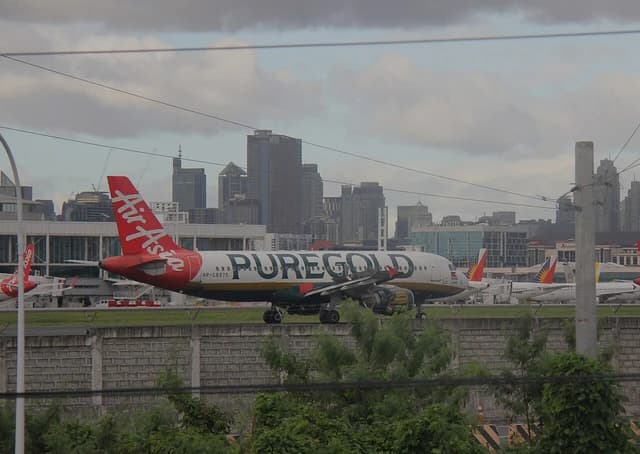
Founder Tony Fernandes said the group is working on plans to raise more than $1 billion by late 2026 or early 2027, mostly to refinance existing borrowings rather than fund operations. He also said AirAsia is in talks with an international bank on a bond issue and has received a $1 billion proposal from a Middle Eastern investor, although the deal has not been closed because the company wants better terms.
For investors, the key question is not whether AirAsia can keep flying today, but whether it can roll over debt cheaply enough to preserve equity value. AirAsia said cash and bank deposits were only 954 million ringgit at the end of June, a thin cushion against short-term obligations, while fuel costs surged and the airline posted a quarterly loss partly driven by 331 million ringgit in foreign-exchange losses.
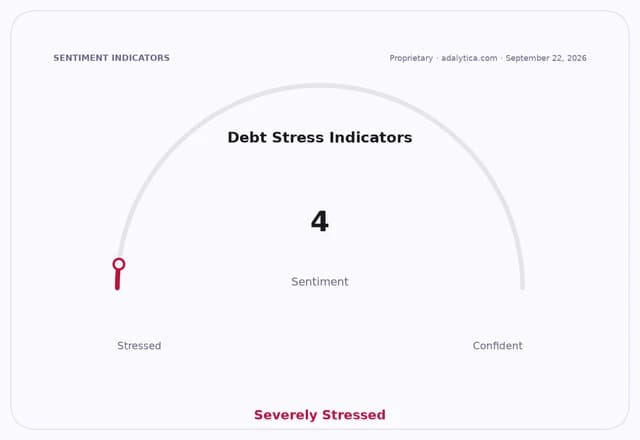
The pressure has already spilled into the stock. Shares fell as much as 21% on Sept. 17 to the lowest since late 2022 and were down more than 70% for the year by Sept. 18, underscoring how quickly investors are pricing in financing risk rather than just earnings weakness.
AirAsia has tried to stabilize operations by raising fares, cutting non-fuel costs and trimming capacity by 20% to 25% in the third quarter, while returning 25 older aircraft to reduce lease and fuel expense. Management says third-quarter seat occupancy is running around 80% and bookings for the fourth quarter remain solid.
The broader narrative is that Malaysia’s biggest budget airline is forcing a trade-off between restructuring and market share protection. Authorities have reportedly explored contingency plans with Malaysia Airlines and Batik Air in case AirAsia’s finances deteriorate further, a sign of how important its roughly 60% share of Malaysia’s domestic market remains to the country’s aviation system.
AirAsia’s next catalyst is execution: if refinancing terms improve and travel demand holds into year-end, the company may buy time. If not, the short-term debt pile will keep the stock under pressure and heighten scrutiny of the carrier’s cash generation, fleet strategy and access to new capital.
| Entity | Gains | Losses |
|---|---|---|
| AirAsia management | ▲More time from refinancing | ▼Higher scrutiny and funding costs |
| Middle East investor / lenders | ▲Potential deal access | ▼Greater credit and execution risk |
| Malaysia Airlines / Batik Air | ▲Possible market share gains | ▼Need to absorb capacity fast |
| AirAsia shareholders | ▲Upside if refinancing succeeds | ▼Dilution and balance-sheet risk |