Airlines See Higher Fares as Inflation Driver
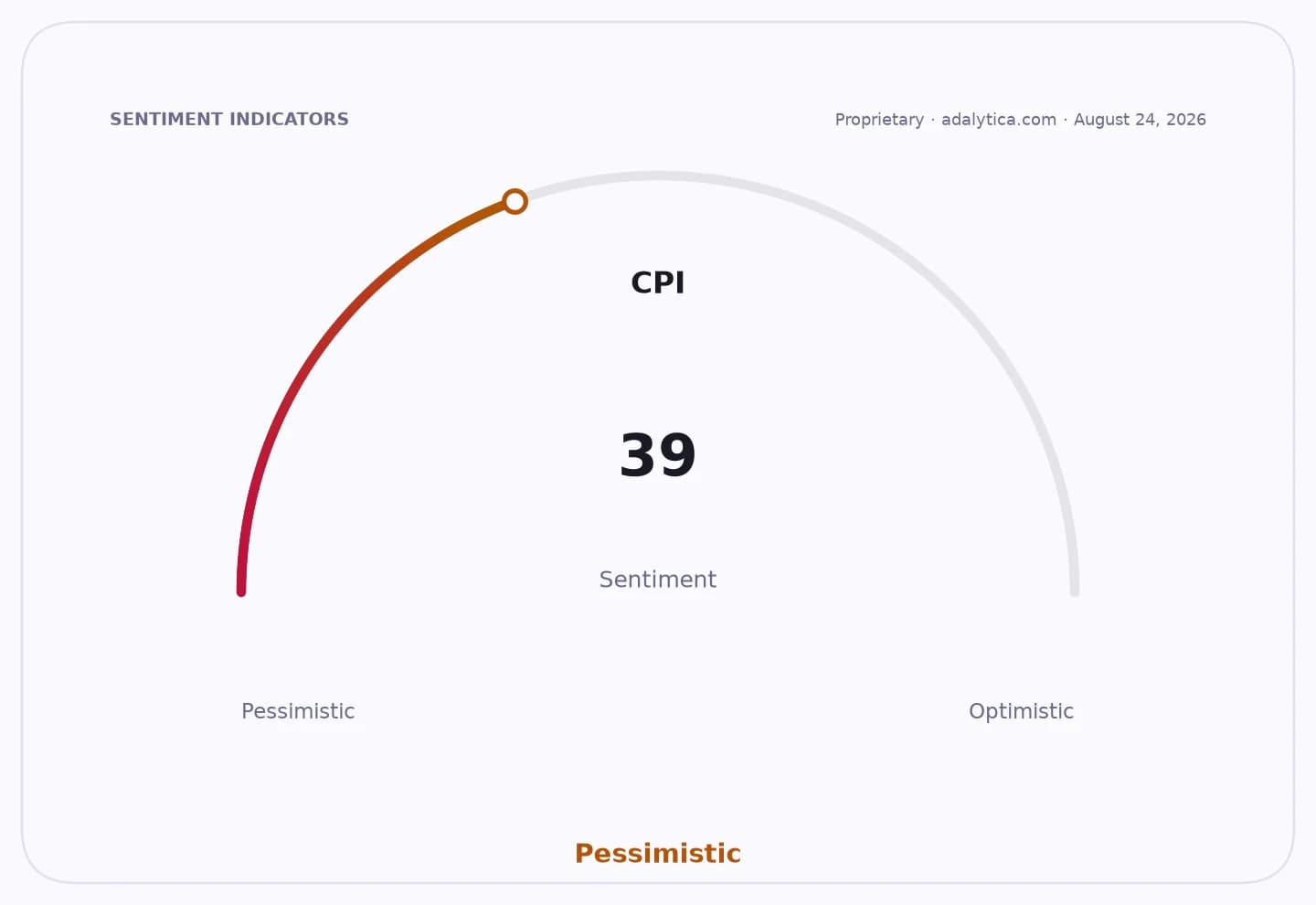
Airline prices are back at the center of the inflation story, and that matters because travel costs can ripple through both household budgets and the Federal Reserve’s path on rates. The latest data show air travel inflation surged 32% in the first quarter, making it the leading driver in services producer prices at a time when policymakers are still worried that inflation is proving sticky.
That is not just a curiosity for vacationers. Services inflation is the harder part of the price puzzle to tame, and airlines sit right in the middle of it. When fares rise sharply, consumers either absorb the hit or cut back elsewhere, while businesses across the travel chain — from booking platforms to hotels and airports — have to adjust to a less predictable demand backdrop. For investors, that means the debate is less about whether travel is recovering and more about whether airlines can keep pricing power without triggering weaker volume later.
The pressure has been visible in the broader inflation data as well. Consumer prices are still running well above pre-pandemic norms, and the Fed has made clear that officials want more evidence that inflation is moving durably lower before relaxing policy. That keeps a floor under interest-rate expectations and, by extension, under yields — a mixed setup for the market, but one that can favor companies with real pricing power and strong free cash flow.
Airlines have benefited from travelers’ willingness to pay up, and recent filings suggest the industry is still seeing healthy demand. United Airlines said second-quarter passenger revenue rose 16.4% from a year earlier, helped by a 12.1% increase in yield. American Airlines also reported strong passenger revenue growth on robust domestic and international demand. In other words, higher fares are not happening in a vacuum; they are being supported by real demand, capacity constraints and, in some routes, lingering supply disruptions.
That helps explain why airline stocks have remained volatile rather than simply moving in one direction. United and Delta both have shown they can make money when demand is strong, but the industry’s economics are always vulnerable to fuel, labor and maintenance costs, as well as any slowdown in consumer spending. The JETS airline ETF has reflected that tension, with shares recently trading above both the 50-day and 200-day moving averages but showing plenty of short-term swings as investors weigh pricing power against margin risk.
For long-term investors, the big takeaway is that airline inflation is a symptom of a travel sector still trying to balance capacity and demand. If fares remain elevated, airlines may continue to post solid revenue growth. But if consumers finally push back, pricing power could fade fast. That makes the sector worth watching, not chasing blindly — and it reinforces why patient investors should favor diversified portfolios over betting heavily on one cyclical industry.
| Entity | Gains | Losses |
|---|---|---|
| Airlines | ▲Higher fares and revenue | ▼Demand backlash risk |
| Travelers | ▲None | ▼Higher ticket costs |
| Booking platforms | ▲More travel spending | ▼Softer volume if fares bite |
| Federal Reserve | ▲None | ▼Sticky services inflation |