Aktif Bank joins China CIPS for yuan payments
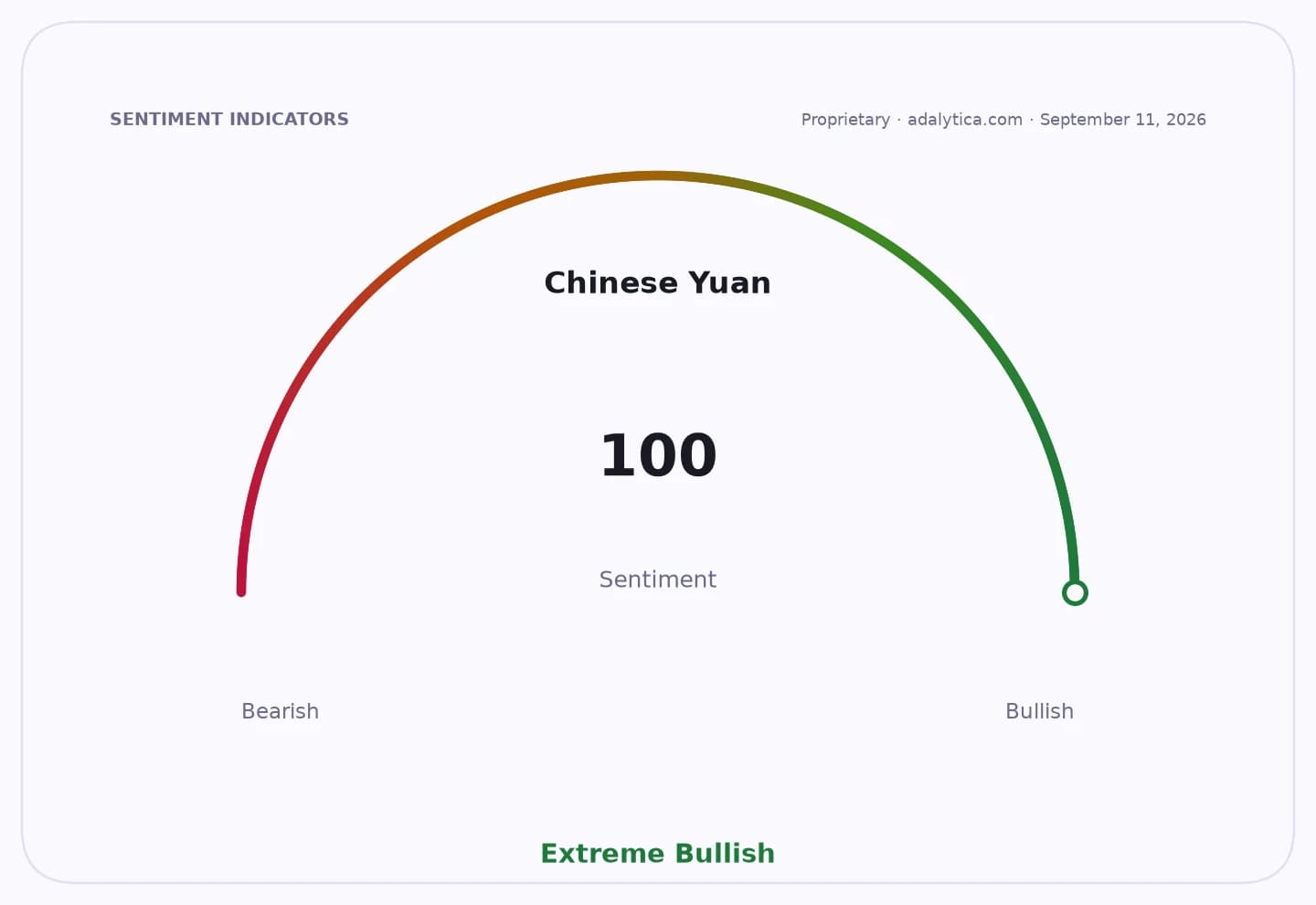
Aktif Bank has become the first Turkish lender to join China’s Cross-Border Interbank Payment System, giving Turkish businesses direct access to yuan payments as trade between Turkey and China deepens and firms look for cheaper ways to settle transactions.
The move matters because it pushes more trade invoicing away from the dollar and euro and into China’s own payment rails, a shift that can lower conversion costs and speed up settlement for exporters, importers and smaller companies doing business with China. For Turkey, where bilateral trade with China has doubled to $50 billion over the past five years from $25 billion, the bank is betting that demand for yuan-based settlement will keep rising.
Aktif Bank said the platform, developed by the People’s Bank of China, now serves more than 1,800 banks after expanding rapidly over the past five years. The lender said yuan payments through CIPS have accounted for 28% of China’s roughly $6 trillion in foreign trade volume over that period, underscoring how central the system has become to Beijing’s push to internationalize its currency.
The bank plans to open its digital banking platform so SMEs can make payments through CIPS, a notable step for a market where smaller firms often face the highest foreign-exchange friction and funding costs. That could make trade with China easier for Turkish manufacturers, importers and distributors, while also giving Aktif Bank a way to win more cross-border fee business.
The development also fits China’s broader effort to build financial channels less dependent on Western banking infrastructure, especially as yuan use rises in trade finance. For investors, the key implication is that banks with cross-border payment capability and access to China-linked settlement networks may gain an edge as companies diversify away from traditional dollar rails.
Aktif Bank said it wants to extend its payments network to China after building corridors in Europe and the Americas, suggesting this is part of a longer-term expansion strategy rather than a one-off deal. The next catalyst is whether other Turkish banks follow into CIPS and whether adoption among SMEs is fast enough to turn the platform into a meaningful source of transaction flow.
| Entity | Gains | Losses |
|---|---|---|
| Aktif Bank | ▲Cross-border fee growth | ▼Legacy payment bottlenecks |
| Turkish SMEs | ▲Cheaper yuan settlement | ▼FX conversion costs |
| China’s CIPS / PBoC | ▲Wider yuan adoption | ▼Reliance on dollar rails |
| Competing correspondent banks | ▲— | ▼Lost payment flow |