Albania labor market has 43,000 vacancies

Albania’s labor market is showing an acute mismatch between jobs available and workers on hand, with more than 43,000 vacancies posted in the first six months of the year as tourism, construction, trade and manufacturing scramble for staff.
That matters because persistent shortages can become a binding constraint on growth, lifting wage costs, slowing project delivery and limiting how far an economy can expand even when demand is strong. In Albania’s case, the gap is broad-based, spanning low-skilled, technical and highly qualified roles, which suggests the problem is not simply cyclical but structural.
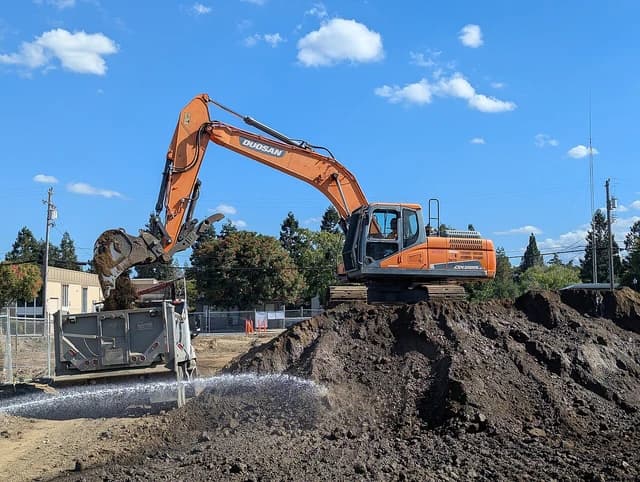
The National Agency for Employment and Skills said 5,425 jobs are currently open across the economy, from construction workers and warehouse staff to economists, doctors, engineers and IT specialists. In the first half alone, employers declared more than 43,000 vacancies, with the heaviest demand concentrated in hotels and tourism, retail, construction, production, transport and services.
The breadth of demand is important. Employers are not only looking for seasonal labor for hotels and restaurants, but also electricians, mechanics, software developers, logistics specialists, lawyers, architects and HR professionals. That points to a labor market where demand is rising faster than the local supply of workers with the right skills, and where emigration, demographic pressures and skills gaps are increasingly shaping hiring conditions.
Officials are already leaning on foreign labor to fill part of the shortfall. The agency approved 12,348 applications from foreign nationals in the first half, underscoring how domestic firms are being forced to look beyond Albania’s borders to keep operations running.
For investors and business owners, the implications are mixed. Companies in tourism, construction and industry may continue to benefit from strong activity, but they will also face tighter wage competition, higher recruitment costs and the risk of delayed execution. Businesses able to automate, raise productivity or attract foreign labor may gain an edge, while labor-intensive operators with thin margins are likely to feel the squeeze first.
The message for policymakers is equally clear: if Albania cannot expand its workforce supply or better match skills to openings, labor shortages could start to cap investment and growth. The next test will be whether hiring demand eases seasonally after the summer peak or whether the vacancy pipeline stays elevated into the second half, forcing a wider reliance on imported labor and faster workforce training.
| Entity | Gains | Losses |
|---|---|---|
| Tourism, construction and industry | ▲Easier demand for workers | ▼Higher wage pressure |
| Foreign workers | ▲More hiring opportunities | ▼Greater competition for permits |
| Domestic employers | ▲Access to labor if filled | ▼Delays and recruitment costs |
| Policymakers | ▲Pressure to act on skills | ▼Risk of slower growth if shortages persist |