Albania Wildfires Keep 11 Active Amid Nationwide Response
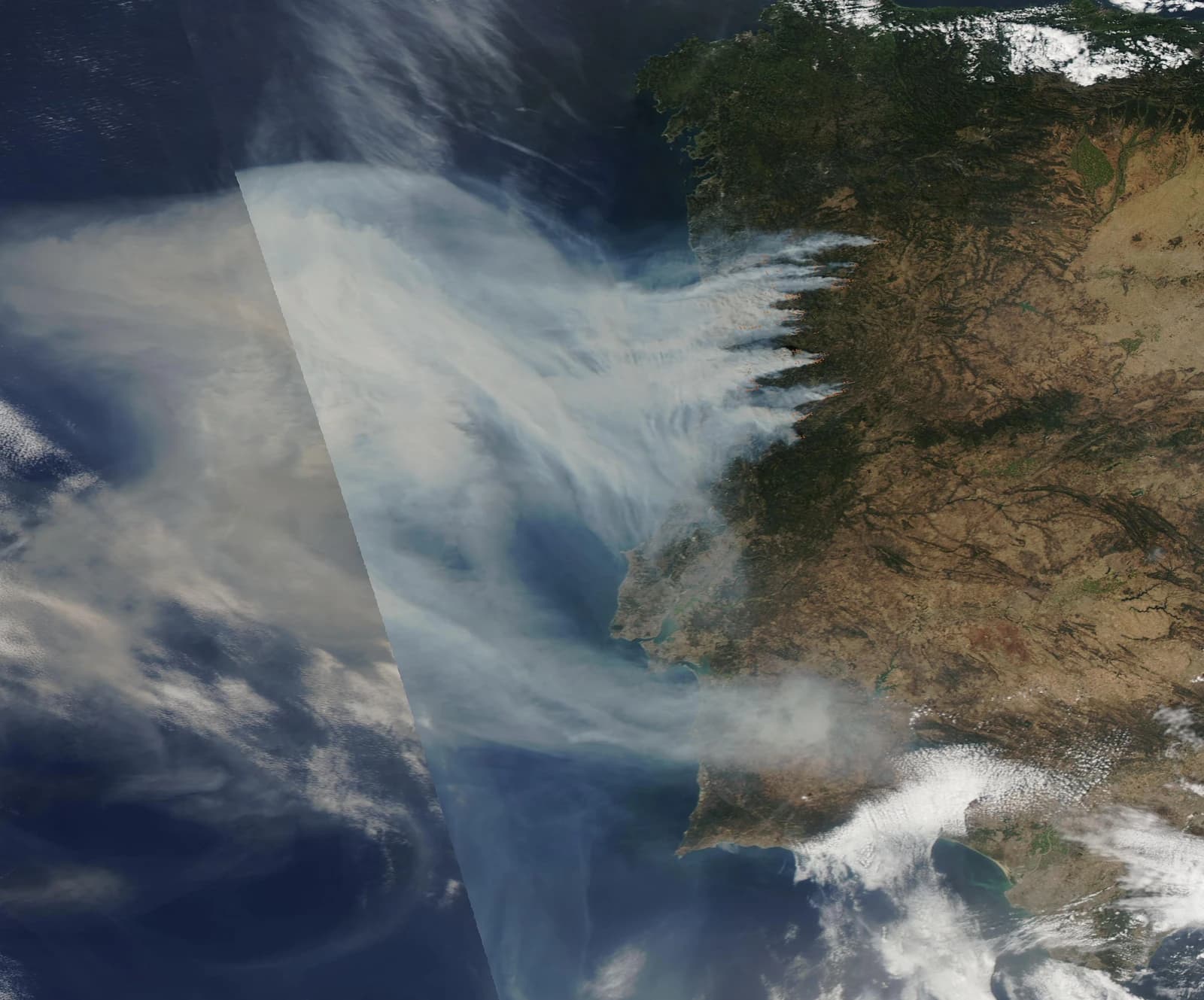
Albania’s wildfires remained the country’s most immediate operational risk on Thursday, with the Defense Ministry saying 11 outbreaks were still active and military air and ground assets deployed to slow the spread.
The scale of the response matters because the fires are no longer a series of isolated local incidents. With 20 outbreaks reported during the day, civil protection and the armed forces are being forced to stretch across multiple prefectures at once, turning what is normally a municipal emergency into a national logistics test. The priority, authorities said, is protecting lives, homes and property.
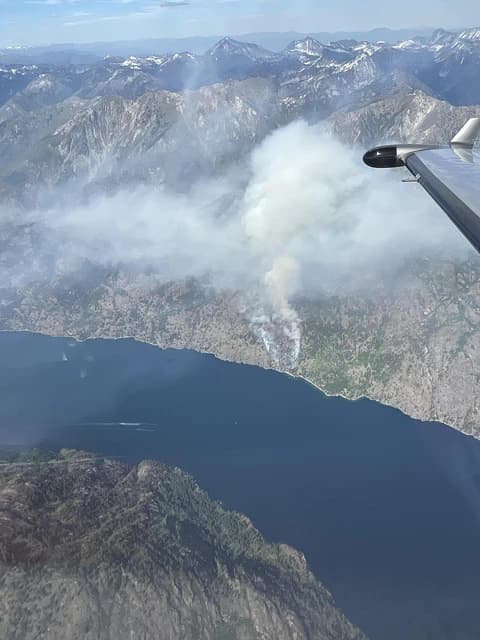
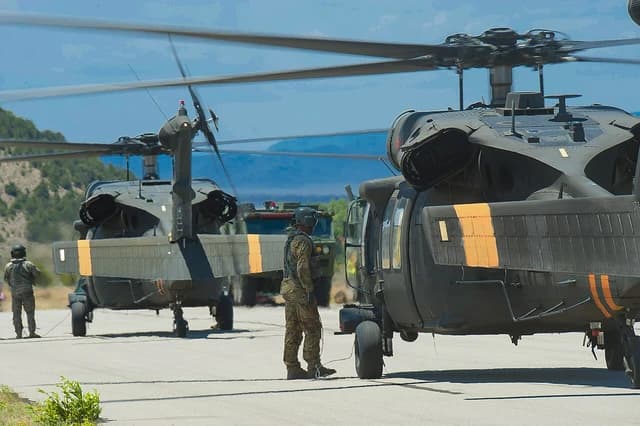
The most difficult front remained Mali i Dajtit, near the capital, where the blaze was still active and being supported by Armed Forces personnel, vehicles and a helicopter. Another key hotspot was Kryezi in Kavaja, where firefighters were backed by an Air Tractor aircraft. Active fires were also reported in Dibër, especially the Lundre–Madhesh area of Mat, in Lezhë around Kalivaç–Zimaj–Kashnjet, and in Shkodër, where two helicopters were engaged at the Bardhaj–Myselim fire.
Other outbreaks were still burning in Kulumri of Fushë-Arrëz, Kropisht of Selenicë and Vokopolë of Poliçan, while several fires in Korçë, Elbasan, Durrës, Fier, Kukës and Shkodër were being monitored. In total, seven fires were under supervision and two had been extinguished, according to the ministry.
Economically, the fires add pressure to already thin public resources. Sustained aerial operations, army deployments and civil protection coordination carry direct fiscal costs, while smoke, evacuations and blocked access can disrupt agriculture, tourism and local commerce in affected areas. The risk is highest where fires threaten forests, farmland and settlements at the same time, forcing authorities to choose between containment and protection of populated areas.
For investors, the immediate impact is less about market pricing than about operational and insurance risk. Repeated fire outbreaks can raise questions around disaster preparedness, municipal capacity and infrastructure resilience, all of which feed into sovereign risk assessments over time. They also matter for sectors exposed to weather and land-use stress, including utilities, construction, agriculture and insurers, if the fire season persists or intensifies.
The broader narrative is one of widening pressure on emergency systems as heat, dry vegetation and difficult terrain make firefighting more complex. The ministry said the National Civil Protection Agency was coordinating continuously with prefectures, municipalities and other civil defense structures, a sign that authorities expect the campaign to continue rather than peak quickly.
For now, the central question is whether the combination of ground crews, helicopters and fixed-wing support can prevent the most active fires from merging or moving toward homes. The answer will determine not only the human and environmental toll, but also how much the state must spend to contain a season that is already demanding a nationwide response.
| Entity | Gains | Losses |
|---|---|---|
| Albanian civil protection and armed forces | ▲Visibility and operational role | ▼Strained resources |
| Local residents and municipalities | ▲Protection efforts | ▼Homes, land, business disruption |
| Firefighters and air support contractors | ▲Higher deployment demand | ▼Exposure and overtime burden |
| Insurers and exposed sectors | ▲— | ▼Higher disaster and loss risk |