Algeria and Bangladesh Discuss LNG Supply Deal
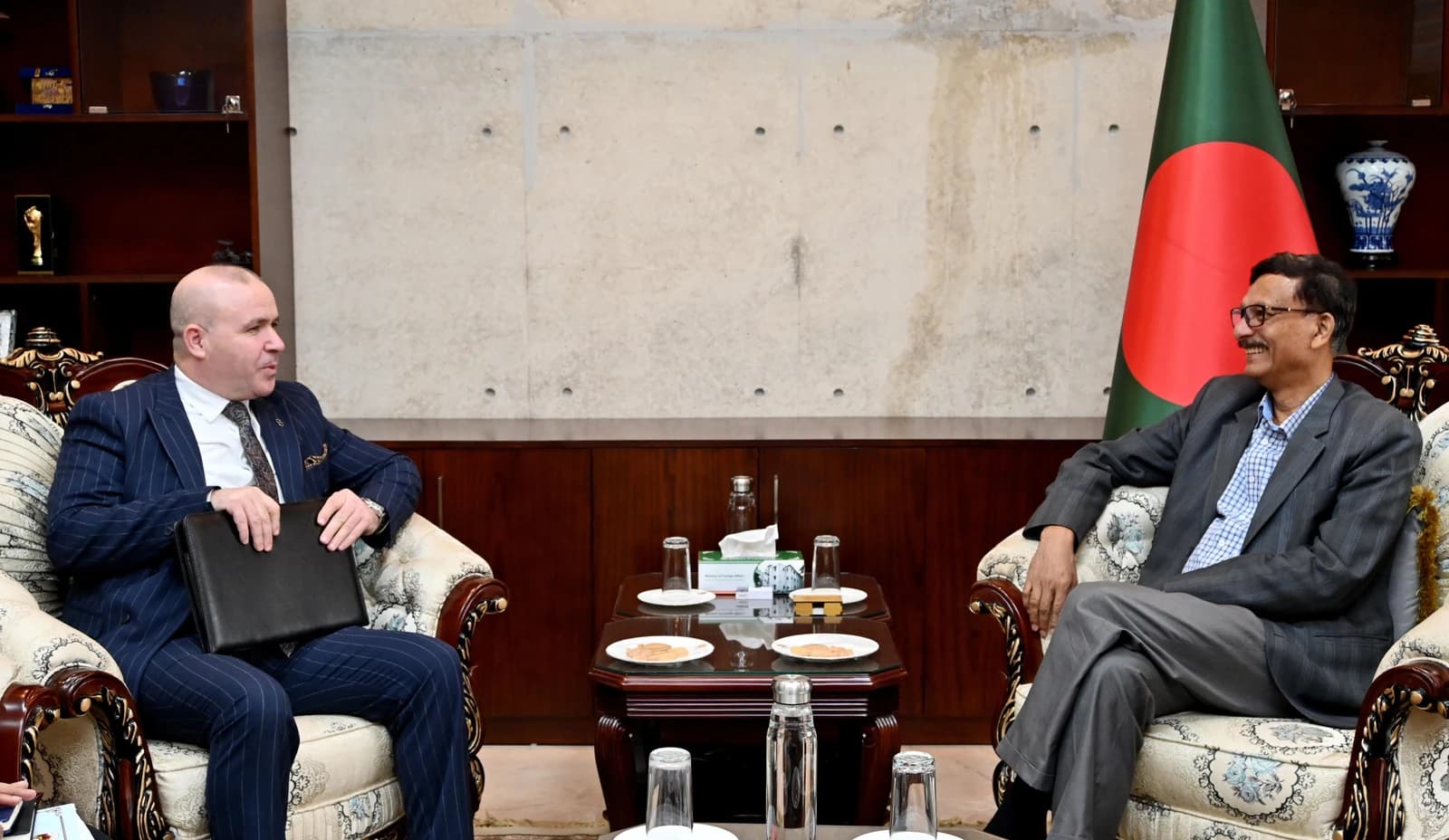
Algeria and Bangladesh have moved a step closer to a liquefied natural gas supply agreement, a deal that could give Dhaka a more diversified energy lifeline while reinforcing Sonatrach’s role as a strategic supplier in a market still defined by tightness and geopolitical risk.
That matters because LNG is not just another commodity purchase for Bangladesh. It is a key input for electricity generation, industry and imported fuel security in a country whose demand is growing faster than its domestic energy base. For Algeria, meanwhile, a potential contract with Bangladesh would widen the customer base for Sonatrach beyond its traditional markets and underline the value of long-term supply relationships at a time when global buyers remain wary of disruptions and price swings.
The discussions in Algeria centered on ways to supply Bangladesh with LNG, along with possible purchases of liquefied petroleum gas and refined products. Bangladeshi officials signaled interest in securing Algerian LNG under contract, citing Sonatrach’s reputation as a reliable international supplier. The two sides also explored cooperation on energy infrastructure and agreed to form a joint working group to follow up on the talks.
For investors, the significance is less about a single cargo and more about the pattern. Long-term LNG contracts remain the backbone of the business, providing stable cash flow for producers and greater visibility for shipping, processing and infrastructure players tied to the gas trade. Sonatrach’s push into new bilateral arrangements fits that model. So does Bangladesh’s effort to lock in supply as it tries to keep pace with rising demand without overexposing itself to spot-market volatility.
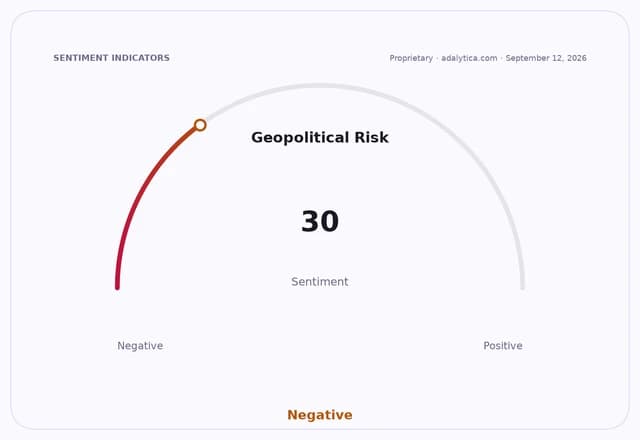
The broader backdrop is a global LNG market that still looks fragile beneath the surface. Supply has improved from crisis levels, but producers continue to face constraints from liquefaction capacity, shipping bottlenecks and geopolitical uncertainty. In that environment, governments and utilities are increasingly favoring contract certainty over opportunistic buying, especially in fast-growing Asian markets.
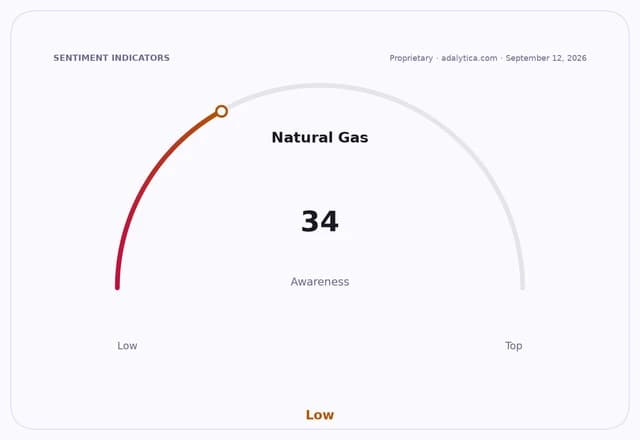
The market backdrop in natural gas remains constructive but volatile, and the long-term case for LNG is still tied to energy transition realities: gas is cleaner than coal, but reliable enough to support power systems that cannot yet run entirely on renewables. That keeps LNG relevant for years, not months.
For long-term investors, the key takeaway is that deals like this help entrench LNG as a structural trade. Whether you own producers, shipping names or infrastructure-linked stocks, the winners are the companies with scale, contract quality and route diversity. Bangladesh wants security. Algeria wants reach. That combination is exactly why LNG remains worth watching.
| Entity | Gains | Losses |
|---|---|---|
| Sonatrach / Algeria | ▲New long-term buyer | ▼Less spot-market leverage |
| Bangladesh buyers | ▲Supply security | ▼Higher contract commitment |
| LNG producers | ▲Stable demand visibility | ▼Spot-price upside limited |
| LNG import competitors | ▲Less bargaining power | ▼Fewer supply options |