Alibaba at $122.25 faces Australia data center scrutiny
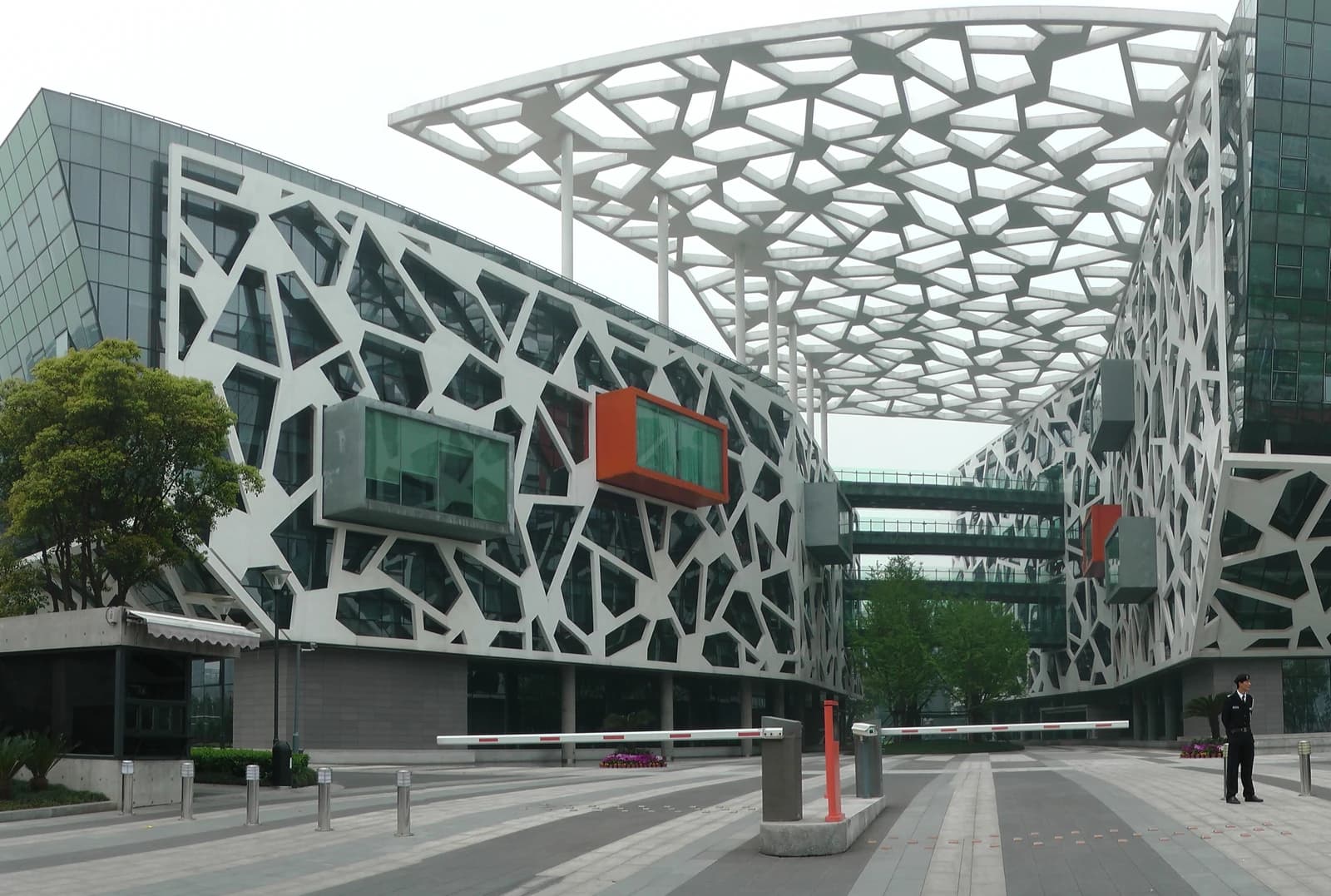
Alibaba and TikTok are pushing into Australia’s data center market just as investors are relearning how much geopolitics can shape cloud infrastructure returns. For long-term shareholders, the key question is not whether demand for AI and storage capacity exists — it clearly does — but whether foreign investment approvals, data-sovereignty concerns and rising power constraints will slow the economics of building and owning the next generation of digital infrastructure.
That matters because data centers are becoming one of the defining capital-allocation themes of the AI era. They are expensive to build, heavily regulated and tightly tied to energy supply, local approvals and cross-border data rules. If Australia’s Foreign Investment Review Board takes a tougher line on Chinese-linked operators or transactions, the cost of capital for these projects rises, timelines stretch and the list of potential buyers narrows. That is bad news for sellers hoping to monetize assets and for operators relying on scale to justify the spend.
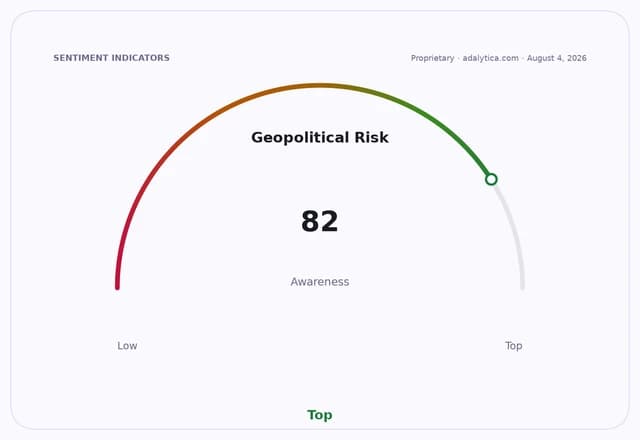
The issue also lands in a market already trading on the scarcity of AI infrastructure. Microsoft’s latest filings warn that labor shortages, power bottlenecks and delays in connecting new capacity can raise costs and slow deployment. Apple has made a similar point about constrained cloud and AI infrastructure supply. In other words, the demand story is intact, but the supply side is messy — and that is exactly where regulatory risk becomes economically meaningful.
For Alibaba, the stakes are especially high. The stock has already swung sharply this year, recently trading at $122.25 after climbing as high as $175.57 in January before retreating. It remains below its 200-day moving average, a reminder that investors are still discounting execution and policy risk even as the company leans harder into cloud and AI. TikTok faces a different challenge: as a politically sensitive platform, any move into critical digital infrastructure invites extra scrutiny, even in markets eager for foreign capital.
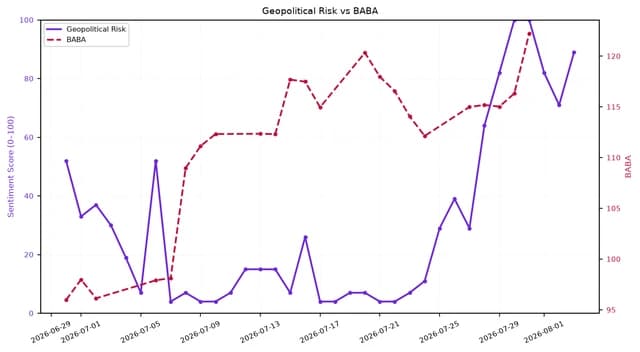
Australia, meanwhile, is caught between two forces. It wants the jobs, power demand and long-duration investment that data centers bring, but it also wants control over sensitive data and strategic infrastructure. That balancing act is becoming more important as global stability worries stay elevated. Adalytica’s Global Stability Sentiment is at Extreme Greed, underscoring how quickly geopolitical risk and investor appetite can shift around major technology assets.
For investors, the takeaway is simple: the data-center buildout remains a powerful secular theme, but not every asset will be easy to own, finance or exit. The winners will be the operators that can navigate approvals, secure power and prove their assets are clean enough for institutional buyers. The losers may be the companies that underestimate how much regulation now sits inside the return on capital.
In the long run, that makes Australia worth watching as a test case for the next phase of AI infrastructure investing. If FIRB stays open to deals with strict safeguards, the market could welcome more cross-border capital. If not, Chinese tech giants may need to look elsewhere for growth — and investors should be prepared for a wider gap between headline demand and realizable value. Hold the theme, but be selective.
| Entity | Gains | Losses |
|---|---|---|
| Australian regulators | ▲More oversight | ▼Faster deal flow |
| Alibaba and TikTok | ▲Market access | ▼Approval certainty |
| Local data center owners | ▲Higher asset scarcity | ▼Fewer buyers |
| Long-term cloud investors | ▲Secular AI demand | ▼Policy-driven volatility |