Alibaba and DHL build logistics AI tools for SMEs
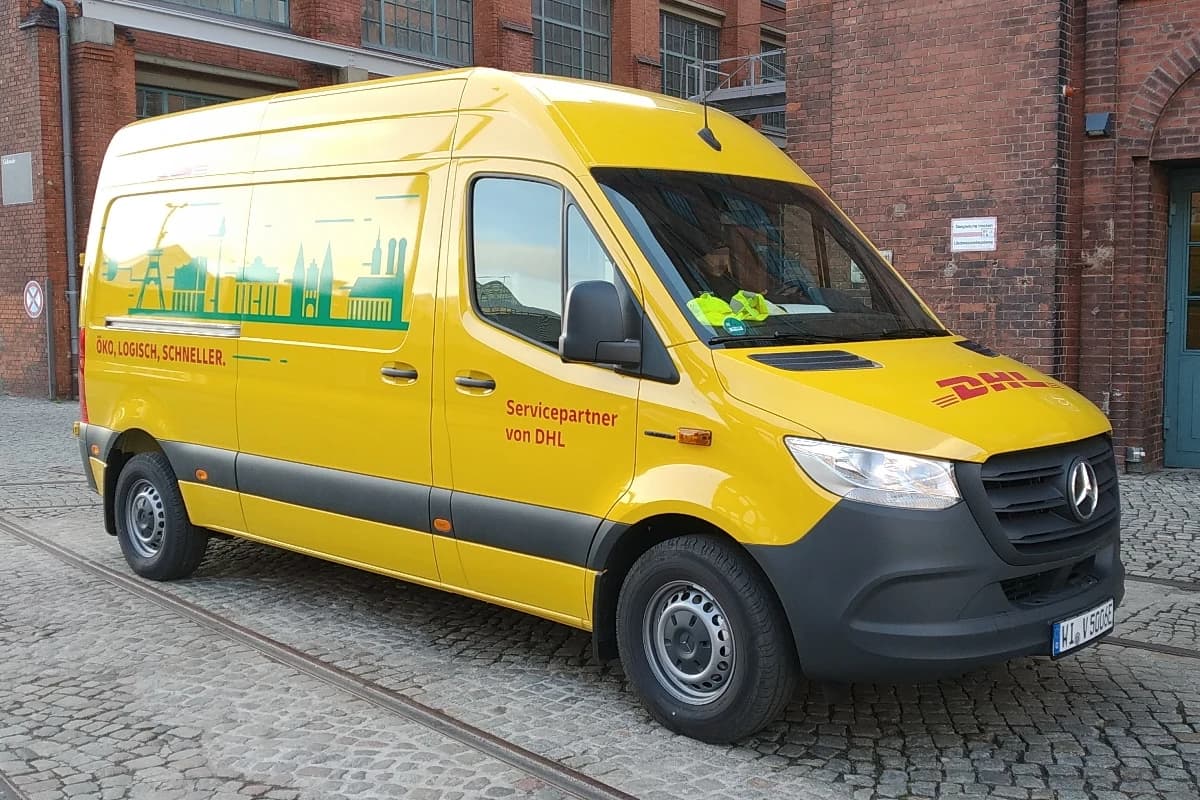
Alibaba Group is teaming up with DHL to build logistics AI tools aimed at small businesses, a move that could widen the reach of both companies into the fast-growing cross-border e-commerce market and make shipping and fulfillment more automated for smaller merchants.
The partnership matters because small businesses are a large source of incremental parcel volume, yet they often lack the software and scale to optimize shipping costs, customs handling and delivery routing. By combining Alibaba’s commerce ecosystem with DHL’s global logistics network, the two companies are targeting a segment that can be sticky, high-volume and more profitable if AI reduces manual work and improves service levels.
For Alibaba, the deal adds another way to monetize merchant traffic beyond retail transactions, while strengthening logistics support for sellers that use its platforms. For DHL, the alliance helps defend share in international parcel flows as competitors such as UPS, FedEx and regional carriers lean harder into automation and network optimization.
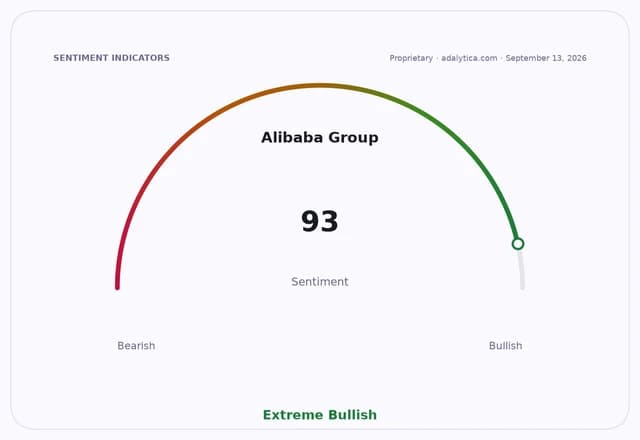
The timing also matters for the market. Alibaba shares have been volatile, with the stock closing at $109.30 on Sept. 11 after sliding below both its 50-day and 200-day moving averages, even as proprietary Adalytica sentiment on the company shows “Extreme Greed” at 93. That disconnect suggests investors are watching for evidence that the company’s AI push can translate into durable earnings growth rather than just narrative momentum.

The broader backdrop is a logistics sector under pressure to do more with less. FedEx, whose shares closed at $311.99 on Sept. 11, has spent years restructuring its network and modernizing operations, underscoring how carriers are pushing technology to protect margins in a more competitive delivery market.
The key question now is execution: whether Alibaba and DHL can turn the partnership into faster shipping, lower costs and better conversion for merchants, and whether that feeds into revenue growth in the next round of ecommerce and logistics updates.
| Entity | Gains | Losses |
|---|---|---|
| Alibaba | ▲More merchant volume; logistics monetization | ▼Higher execution risk |
| DHL | ▲Better SME reach; cross-border parcel growth | ▼Pricing pressure from rivals |
| Small businesses | ▲Cheaper, smarter shipping tools | ▼Dependence on platform ecosystem |
| FedEx/UPS | ▲— | ▼Share risk in automation race |