Almaty Fixes Vegetable Prices at Magnum Stores
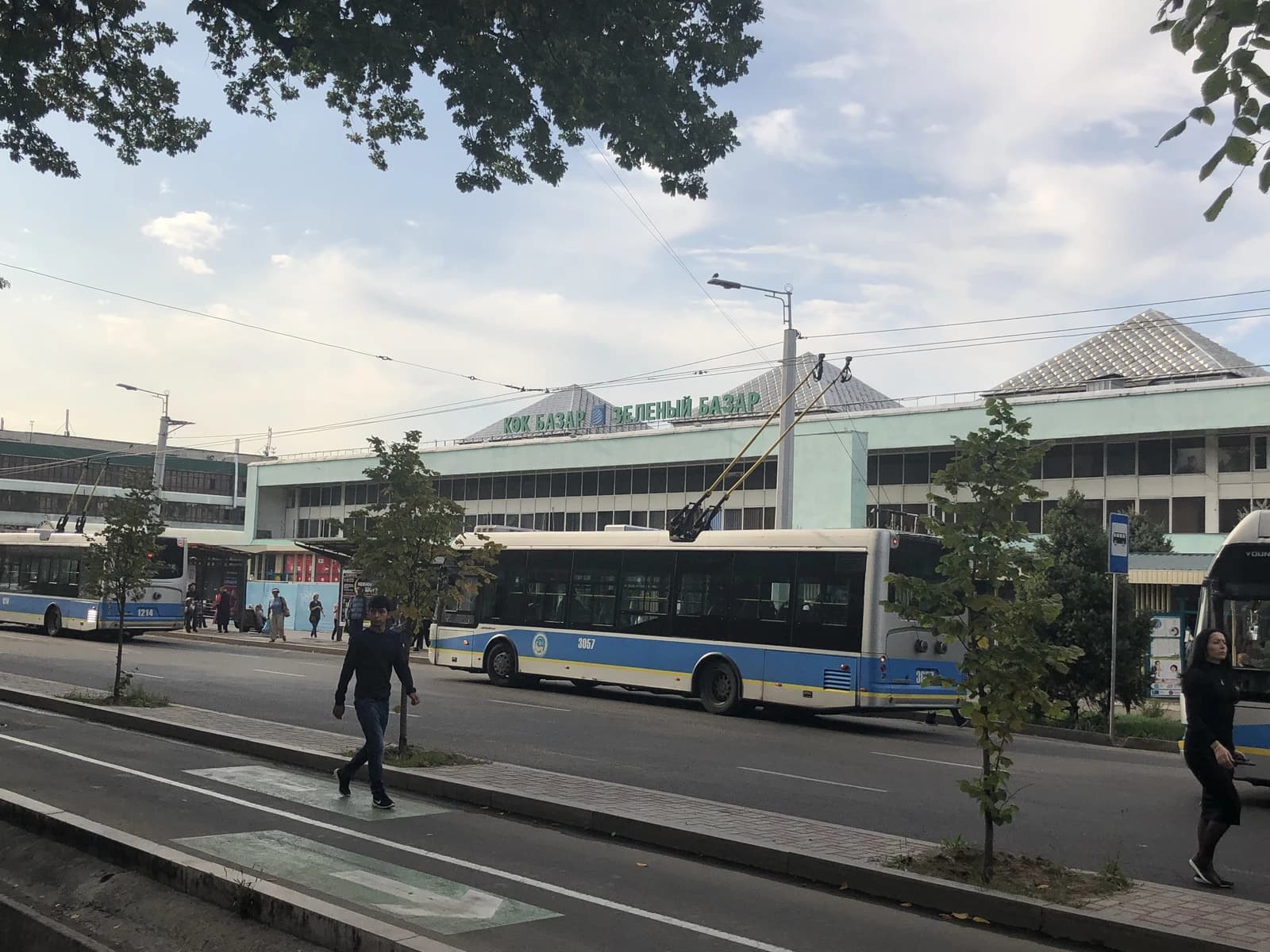
Almaty has fixed maximum retail prices for vegetables for the next eight months, a move that underscores how food inflation is still pressing local authorities to intervene directly in the market.
Under an agreement between the city’s social entrepreneurship corporation and Magnum Cash&Carry, vegetables will be sold at set prices from Sept. 1 through April 30, 2027, with the cap reviewed every two weeks. The city said the arrangement covers sales through Magnum stores in Almaty and is designed to keep basic produce affordable for households facing elevated living costs.
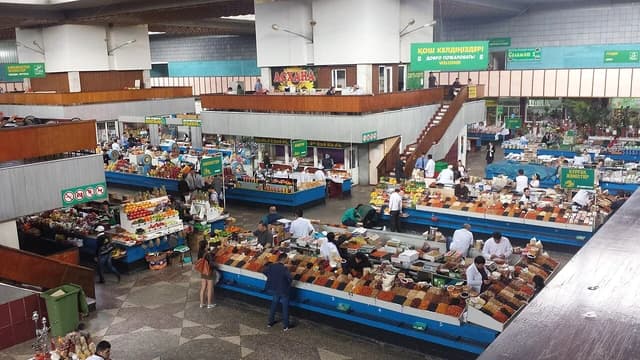
The scale matters because vegetables are a core household staple and one of the most visible channels through which inflation hits consumers. Authorities said Magnum plans to sell 9,920 tons of vegetables by next May, including 4,960 tons of potatoes, 1,760 tons of carrots, 2,000 tons of onions and 1,200 tons of cabbage. That volume suggests the measure is meant to do more than offer a symbolic price break; it is a supply arrangement large enough to influence day-to-day shopping baskets in Kazakhstan’s commercial capital.
For policymakers, the decision reflects the political sensitivity of food prices and the limits of relying on broad monetary tools alone when the problem is concentrated in essentials. For consumers, especially lower-income households, the cap could provide some relief and reduce short-term volatility in grocery bills. For retailers, the trade-off is tighter pricing in exchange for guaranteed volumes and likely stronger foot traffic.
The broader backdrop is one of stubborn inflation pressure in food and other essentials. While the context data point to softer commodity trends globally, local food markets can remain detached from international price moves because of logistics, import dependence, weather and distribution bottlenecks. In that setting, city-level controls are a blunt but familiar tool across emerging markets when officials want to slow visible price rises quickly.
Investors will read the move as a signal that Kazakhstan’s consumer and retail policy environment remains interventionist, which can support volumes for big chains but also compress margins if price caps widen or persist. The key question is whether the program stabilizes supplies without creating shortages or shifting costs elsewhere in the chain.
| Entity | Gains | Losses |
|---|---|---|
| Almaty consumers | ▲Lower grocery bills | ▼Less price flexibility |
| Magnum Cash&Carry | ▲Higher foot traffic, guaranteed volume | ▼Margin pressure |
| City authorities | ▲Inflation relief, political goodwill | ▼Policy risk if shortages emerge |
| Vegetable suppliers | ▲Steady sales contracts | ▼Lower upside on pricing |