Alphabet GOOG Nears $340 on AI Cloud Growth
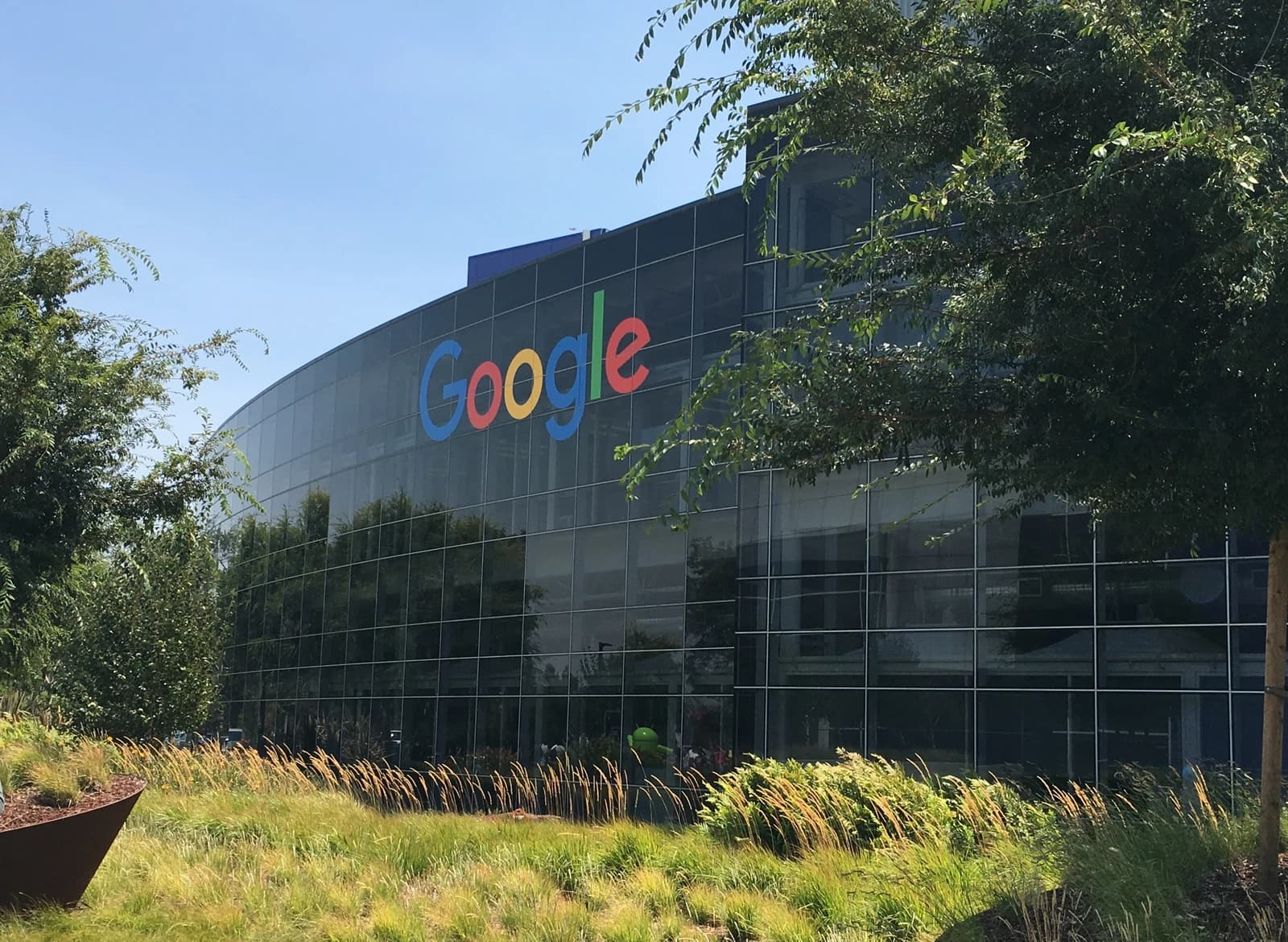
Alphabet’s expanding role as the plumbing for AI, cloud and automated infrastructure is keeping GOOG elevated near $340 even as the broader market wrestles with whether the AI buildout is getting too expensive. The stock has held around that level after a sharp 2026 recovery, underscoring that investors still see Alphabet as one of the few companies able to turn AI infrastructure into durable cash flow rather than just capital outlay.
That matters because the market’s central question is no longer whether AI spending will be large, but which companies will capture the economics of it. Alphabet sits at the intersection of cloud compute, data centers, model training and autonomous transport, with its businesses increasingly linked to the same infrastructure stack. In a world where public services, mobility and enterprise software are all assumed to run on AI hardware and software, control of compute capacity becomes a strategic asset rather than a simple cost center.
The latest numbers support that view. Alphabet’s second-quarter revenue rose 24% year over year to $119.8 billion, driven by 82% growth at Google Cloud and 15% growth in Google Services. That combination suggests the company is monetizing AI demand on both the consumer and enterprise sides while still throwing off enough operating power to fund heavy investment. It has also been able to tap debt markets aggressively, issuing $25 billion of U.S. dollar notes in August after another $20.3 billion in net note proceeds in the second quarter, a sign it is comfortable financing the infrastructure race at scale.
Investors have rewarded that profile. GOOG closed at $336.90 on Aug. 20, only a few percent below the 50-day moving average near $350 and well above the 200-day average around $332, even after a recent pullback. The move has been more orderly than some AI peers, with RSI easing to 35 after a hot run, which suggests the stock has cooled without breaking its longer-term uptrend. By contrast, Microsoft’s shares remain higher at about $480, reflecting its own AI cloud premium, while Nvidia has recovered to roughly $218, keeping the chipmaker at the center of the infrastructure trade.
Still, the setup is not risk-free. Alphabet’s earnings power is being challenged by the scale of the capex cycle and by the possibility that investors eventually demand clearer payback on AI spending. Microsoft and Nvidia have both benefited from the same theme, but they face the same question: how long can hyperscale and chip pricing support margins if spending keeps outrunning monetization? Alphabet’s balance sheet and diversified ad-and-cloud base give it more flexibility than most, yet that also means the stock is being priced as both a growth compounder and a utility-like provider of digital infrastructure.
For investors, the key takeaway is that GOOG is being valued less like a search company and more like an essential infrastructure landlord for AI. If the buildout continues to deepen across cloud, autonomous systems and data centers, Alphabet remains one of the clearest ways to own that theme. If the economics of AI spending weaken, however, the stocks most tied to the infrastructure race could all feel the compression at once.
| Entity | Gains | Losses |
|---|---|---|
| Alphabet / GOOG | ▲AI infrastructure monetization | ▼Higher capex burden |
| Microsoft / MSFT | ▲AI platform demand | ▼Margin pressure from spending |
| NVIDIA / NVDA | ▲Chip demand | ▼Cyclical pricing risk |
| AI buildout bulls | ▲Infrastructure winners | ▼Profitability skeptics |