Alphabet Google Cloud growth and AI spending
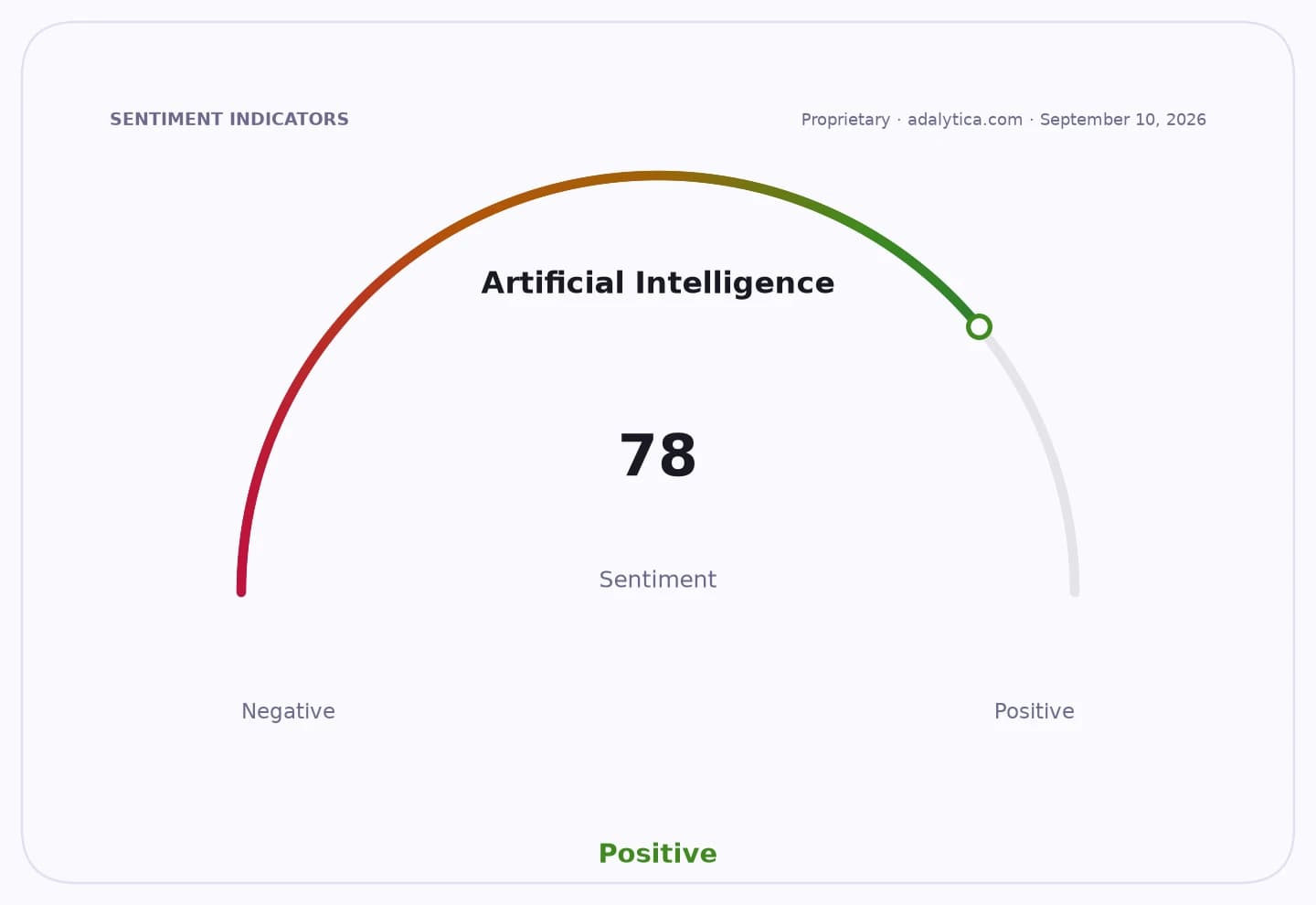
Alphabet is leaning more heavily on Google Cloud to justify its next phase of growth as the economics of artificial intelligence push Big Tech’s capital spending higher and make cloud revenue one of the clearest markers of future winner-takes-most dynamics.
That matters because cloud is no longer just a side business for Alphabet: it is increasingly the bridge between the company’s core ad franchise and the AI infrastructure race that is absorbing capital across the sector. Alphabet has told investors it is centralizing some AI-related research at the company level, and its latest filing said Google Cloud revenue can be affected by changes in customer usage, demand and supply availability. The implication is that cloud growth is becoming intertwined with both AI monetization and the strain on supply chains, especially around high-end compute.
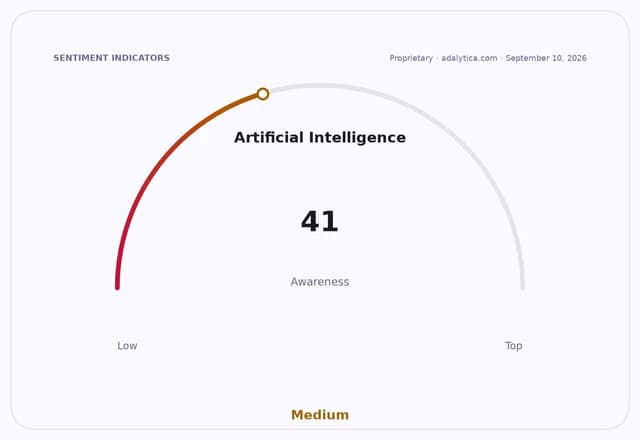
The market backdrop underscores why investors are watching the segment so closely. U.S. employment remained resilient in August, supporting the idea that corporate spending is holding up, but broad cloud demand has slowed from the blistering pace seen earlier in the AI cycle. That makes the quality of Alphabet’s cloud expansion more important than the headline growth rate alone. If cloud bookings and customer demand remain strong, Alphabet can argue that AI infrastructure spending is translating into durable enterprise demand rather than just inflated capex. If growth cools, the company faces the uncomfortable prospect of rising investment with slower payoff.
Alphabet’s shares have been volatile even as they remain well above mid-year levels, reflecting the tension between confidence in AI-led growth and concern over returns on that spending. Recent technical readings on the stock suggest the market has been less decisive: the shares are below the 50-day moving average and the RSI is in neutral-to-weak territory, a sign that investors are not yet fully buying the next leg higher. That leaves cloud execution as a key catalyst for re-rating.
The investor debate is straightforward. The bull case is that Google Cloud gives Alphabet a second growth engine with better operating leverage than the ad business if workloads keep migrating to the cloud and AI tools deepen customer lock-in. The bear case is that the company is entering a capital-intensive phase where aggressive infrastructure spending compresses near-term margins before cloud revenue can scale enough to compensate.
Microsoft and Amazon are facing the same broad structural test, but Alphabet’s position is slightly different because it is still proving that cloud can become a meaningfully larger profit contributor rather than just a growth label. With competition intense and customer demand still uneven across the sector, Alphabet’s next few quarters will matter less for the absolute size of cloud revenue than for whether the segment can absorb AI investment and still deliver expansion.
For investors, the key question is whether Google Cloud can convert AI demand into sustained revenue growth and better economics fast enough to offset the cost of staying in the race. If it can, Alphabet’s cloud franchise could become the main argument for owning the stock. If not, the market may continue to treat the company as a strong advertiser with an expensive AI optionality problem.
| Entity | Gains | Losses |
|---|---|---|
| Alphabet | ▲cloud-led growth narrative | ▼margin pressure from AI capex |
| Google Cloud | ▲enterprise demand and scale | ▼slower monetization if growth cools |
| Microsoft and Amazon | ▲industry cloud expansion | ▼tougher competition for workloads |
| Investors in Alphabet | ▲upside from AI/cloud leverage | ▼risk of delayed returns on spending |