Alphabet and Google India Hiring Premium Stays High
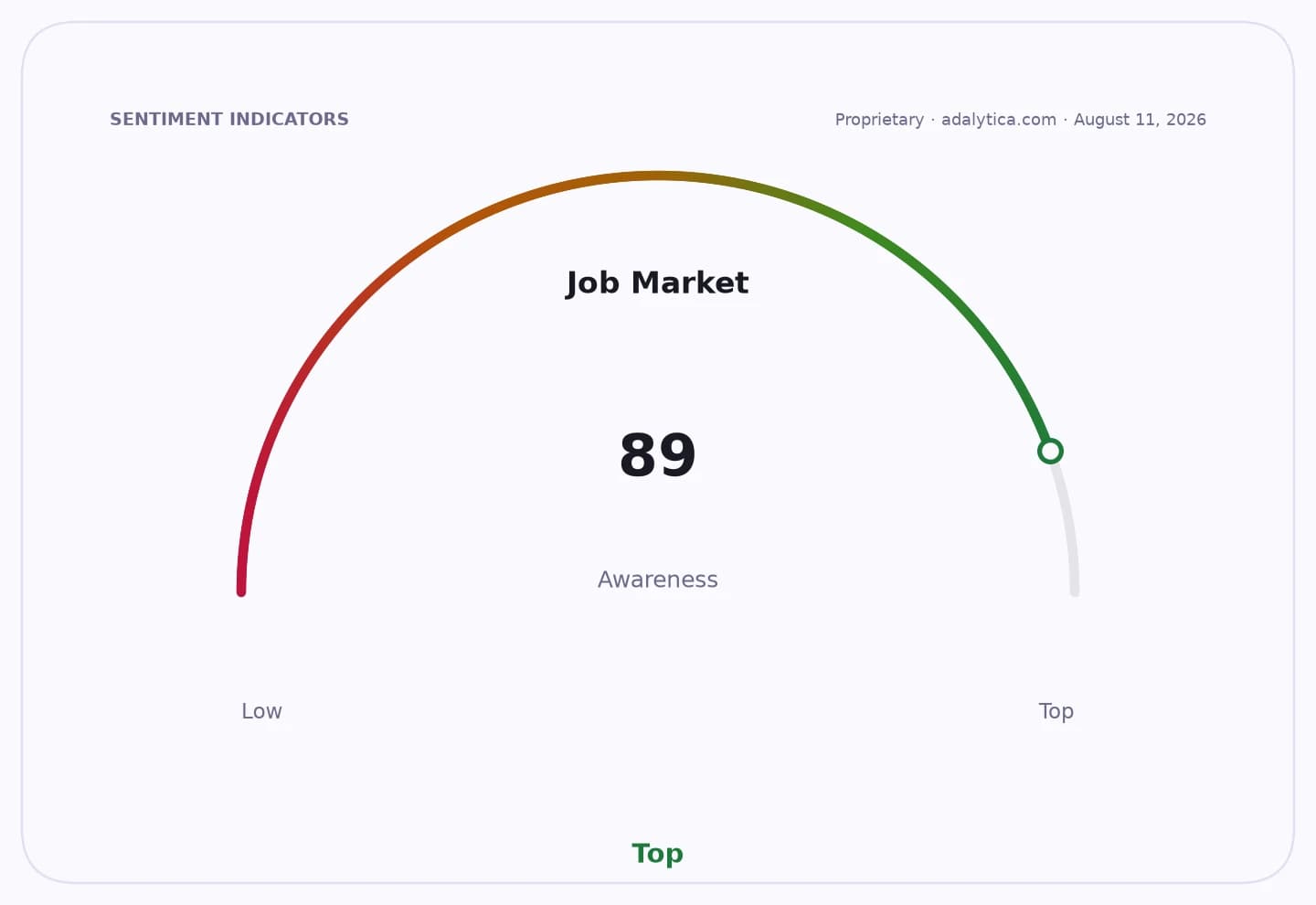
A social-media debate over whether to quit a 40 lakh rupee job for a Google offer of 55 lakhs has become a useful lens on a larger shift in India’s tech labour market: top-tier employers are using brand, AI exposure and perceived career optionality to pull talent even when the salary jump is not transformational.
That matters economically because the decision is no longer just about a bigger pay cheque. In a market where experienced engineers can already command seven-figure rupee packages, the premium increasingly reflects access to AI projects, global mobility and a stronger signal on a résumé rather than pure cash compensation. For India’s technology sector, that can accelerate wage stratification, intensify poaching among large employers and make retention harder for firms that cannot compete on prestige or cutting-edge product work.
The timing also lines up with Google’s broader push into artificial intelligence, where hiring has become a strategic weapon as much as a staffing exercise. The company is drawing interest across senior levels, including in India, at a time when employers are competing not only on pay but on the quality of work, flexibility and long-term career value. The fact that a 15 lakh rupee raise is being widely debated suggests that many candidates still view Google as a premium destination even when the immediate financial upside is modest relative to the risks of switching roles.
For investors, the story sits at the intersection of talent, margins and AI ambition. Google parent Alphabet has been spending heavily to defend its position in search, cloud and AI, and those investments depend on attracting scarce engineering and product talent. If the company continues to win the war for skilled workers, it supports product execution and the pace of AI monetisation. The flip side is that wage inflation and hiring competition can add to expense pressure across the sector, especially for rivals and outsourcing firms that lack Google’s ability to sell a career premium.
Alphabet shares have been volatile but remain above their 50-day and 200-day moving averages, suggesting the market is still rewarding its AI investment case even as near-term trading has been choppy. The stock’s recent swings also show how quickly investors react when the market starts to question whether AI spending will translate into profit growth fast enough. That makes talent acquisition more than an HR story: it is part of the argument over whether Big Tech can keep funding the AI race without undermining returns.
The wider implication is that India’s tech workforce is moving into a phase where compensation is measured in more than salary alone. If Google and other global firms keep setting the benchmark for brand value and AI exposure, domestic employers may need to offer faster promotion paths, better project quality or more flexible work arrangements to hold onto senior staff. For investors, the key question is whether this premium is sustainable because it reflects long-term career value — or whether it eventually forces a sharper reset in tech wage expectations across the sector.
| Entity | Gains | Losses |
|---|---|---|
| ▲Better AI talent access | ▼Higher payroll pressure | |
| Indian tech professionals | ▲Stronger career optionality | ▼Harder job-switch decisions |
| Rival tech firms | ▲None | ▼Talent attrition risk |
| Alphabet shareholders | ▲Faster AI execution potential | ▼Margin dilution risk |