Alphabet Stock Falls as Gemini Pricing Draws Attention
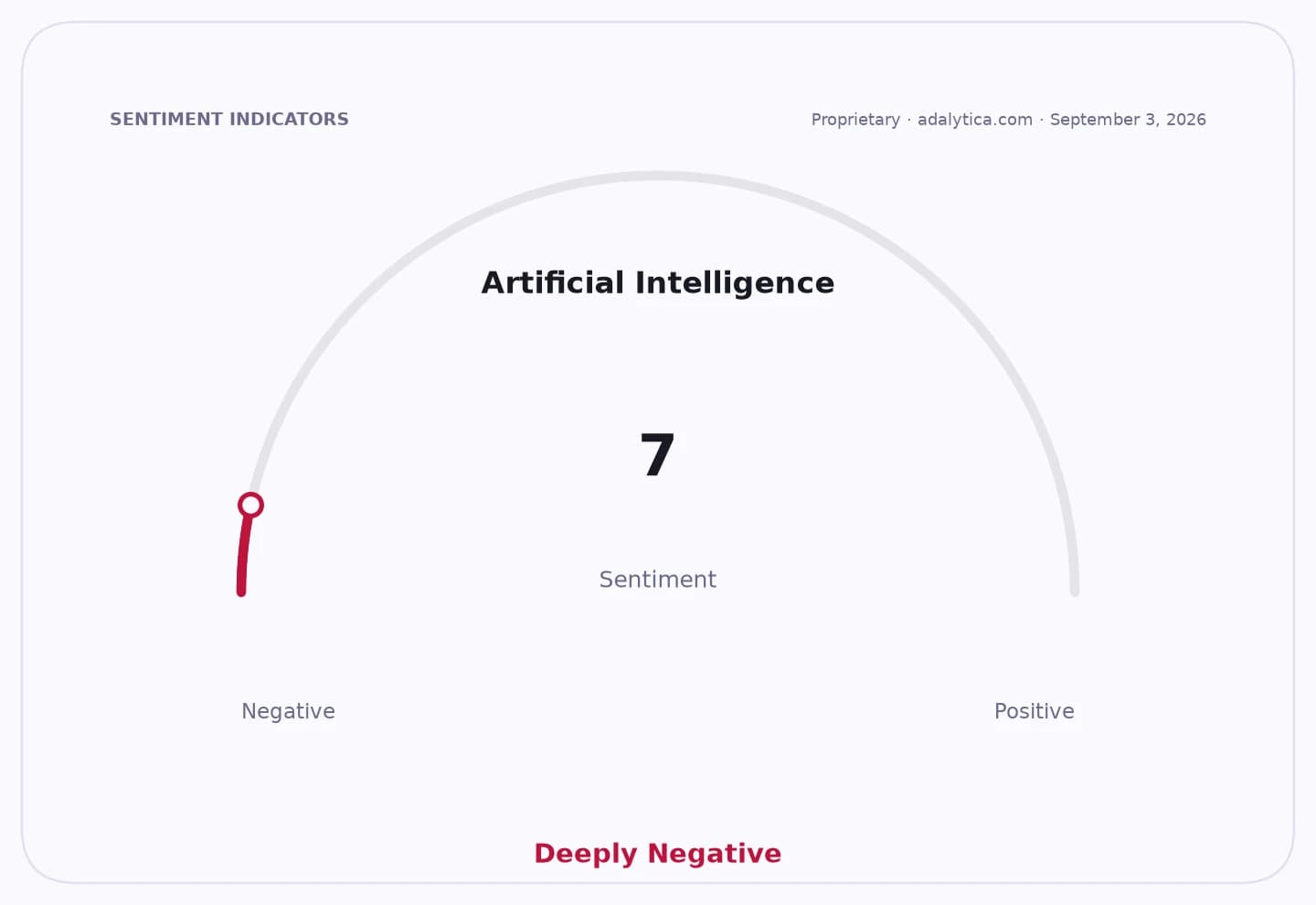
Alphabet’s four-month slide is the real story here, because it shows investors still want proof that Google can turn its AI muscle into durable earnings power, not just impressive product launches.
The stock fell in every month from May through August, its longest monthly losing streak since 2015, before edging higher at the start of September on hopes that a new Gemini model can steady sentiment. Over that four-month run, Alphabet shed 11.8%, even though it remains up 7.7% for the year. For long-term investors, that gap matters: the market is no longer rewarding AI ambition on its own, and it is demanding evidence that Alphabet’s core businesses can keep compounding while the company spends heavily to defend its place in the next platform shift.

Google’s answer this week was Gemini 3.8 Flash, a faster and cheaper model aimed at coding, complex reasoning and agentic tasks. The company also unveiled Gemini 3.8 Flash Cyber for cybersecurity customers, widening the pitch beyond consumer search into enterprise workloads where pricing power and usage can scale more predictably. Alphabet is leaning on cost as much as capability, pricing the model at $0.75 per million input tokens and $3.75 per million output tokens, essentially keeping the entry price at the level of the prior Flash version even as performance improves.
That strategy makes sense because the AI race is not only about who has the smartest model; it is about who can make the economics work. If Alphabet can offer strong performance at a lower cost, it can keep developers and enterprises inside its ecosystem, strengthen Google Cloud adoption and protect the moat around search, cloud and advertising. That is the compounding story investors care about.
There are early signs that the cloud franchise is helping. Alphabet says nearly three-quarters of Google Cloud customers already use its AI products, and those customers are spending about 50% more than originally committed, according to Cloud chief Thomas Kurian. That is the kind of customer behavior that turns AI from a headline into a revenue engine. It also helps explain why investors continue to look past the stock’s weak summer and toward Alphabet’s longer-term free-cash-flow power.
Still, the stock’s recent weakness is a reminder that expectations are high and competition is fierce. Analysts say Gemini keeps Google in the race, but may not change the fact that in enterprise AI it still trails OpenAI and Anthropic. For shareholders, that means the next phase of the investment case depends less on flashy launches and more on execution: better monetization, growing cloud spend and disciplined capital allocation.
That is why this pullback deserves attention rather than fear. Alphabet remains one of the strongest long-term businesses in technology, and periods like this often separate companies with real staying power from those that are simply riding a theme. If Gemini helps convert AI interest into sticky enterprise usage and higher cloud spending, the recent losing streak may look like a temporary reset in a much larger growth story. For investors with a multiyear horizon, Alphabet stays a name worth watching, and arguably one to keep on the buy list.
| Entity | Gains | Losses |
|---|---|---|
| Alphabet long-term holders | ▲Lower entry valuation | ▼Recent stock momentum |
| Google Cloud customers | ▲Cheaper AI tools | ▼Switching costs elsewhere |
| Alphabet | ▲Better AI monetization odds | ▼Pressure to prove execution |
| OpenAI and Anthropic | ▲None obvious | ▼More pricing pressure |