Alphabet Trade Secrets Case Tied to AI Chips
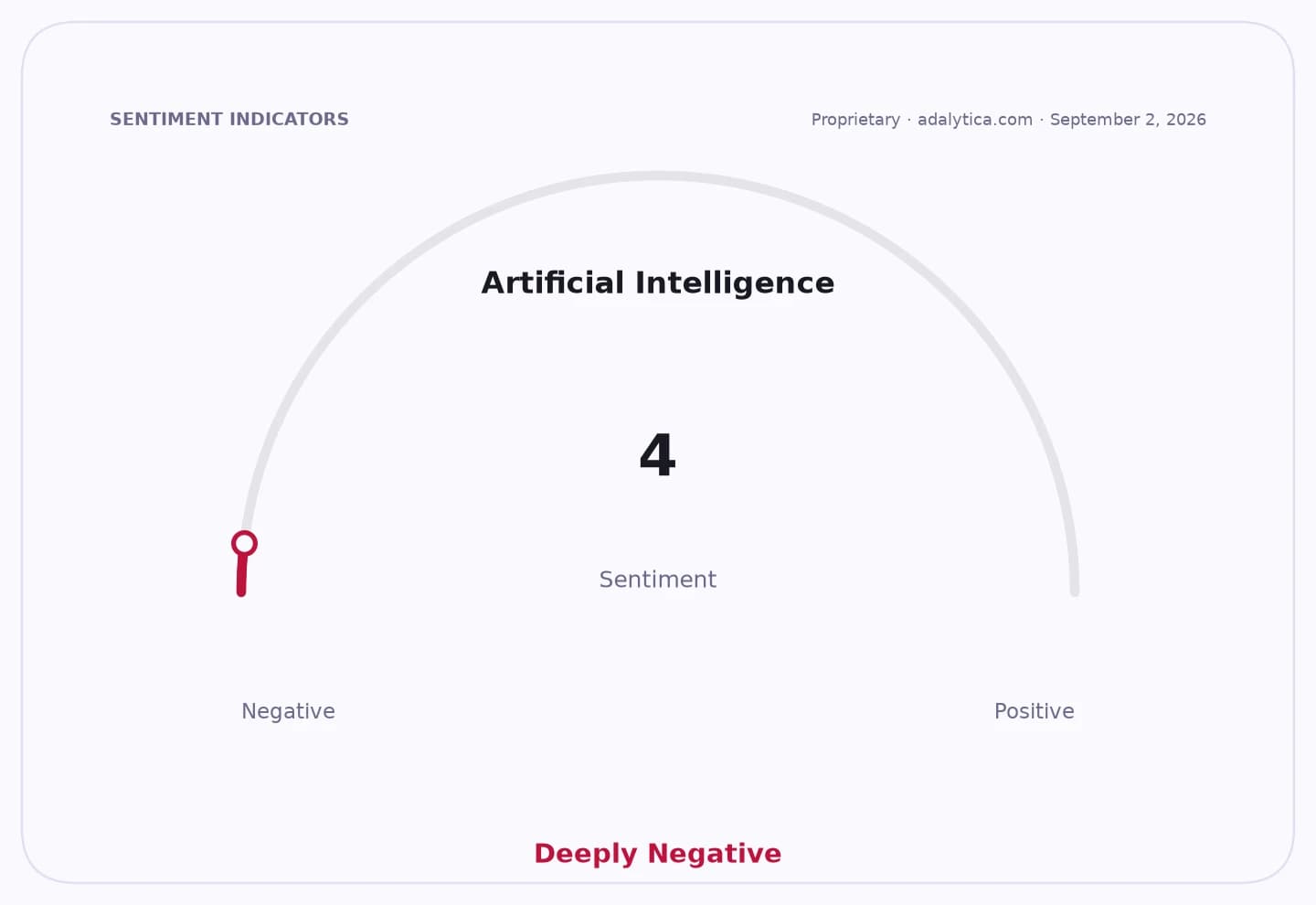
A former Google engineer was sentenced to jail for stealing trade secrets tied to Google’s artificial-intelligence chip work and taking them for China, underscoring how critical AI hardware has become to both corporate competition and U.S.-China technology tensions.
The case matters economically because AI chips sit at the center of the spending boom driving cloud, semiconductor and data-center investment. Protecting chip designs, manufacturing know-how and accelerator architecture is now a profit issue for Google and a strategic issue for U.S. policymakers trying to slow the transfer of advanced technology to Chinese rivals.
For investors, the ruling highlights the legal and geopolitical risks embedded in the AI supply chain. Alphabet, Nvidia, AMD and other chipmakers are spending heavily to defend intellectual property at a time when demand for AI compute remains strong, but export controls, espionage cases and cross-border competition can still alter margins, partner relationships and access to the Chinese market.
The backdrop is a semiconductor sector still being pulled in opposite directions by booming AI demand and tighter national-security scrutiny. Nvidia’s latest earnings showed how much money is flowing into AI infrastructure, while companies across the supply chain have warned in filings that trade restrictions and technology-transfer risks can hit business in China.
Alphabet shares have been under pressure recently, with the stock at $335.02 in the latest session, below its 50-day moving average of $348.91. Nvidia closed at $217.44, just above its 50-day average, while AMD finished at $459.61, below its 50-day trend line after a volatile run that left it well below recent highs.
The sentence adds another reminder that AI leadership is not just about building faster chips, but also about keeping the underlying designs out of competitors’ hands. Investors will be watching for any fresh U.S. enforcement actions, export-control updates and comments from major chipmakers on how they are hardening their intellectual property against state-backed theft.
| Entity | Gains | Losses |
|---|---|---|
| Google/Alphabet | ▲IP protection message | ▼Internal chip secrecy |
| U.S. regulators | ▲Enforcement credibility | ▼China tech transfer risk |
| Nvidia, AMD | ▲Stronger case for IP defense spending | ▼Wider China scrutiny |
| Chinese AI rivals | ▲Little immediate gain | ▼Slower access to cutting-edge designs |