Alphabet Waymo safety research lifts robotaxi case
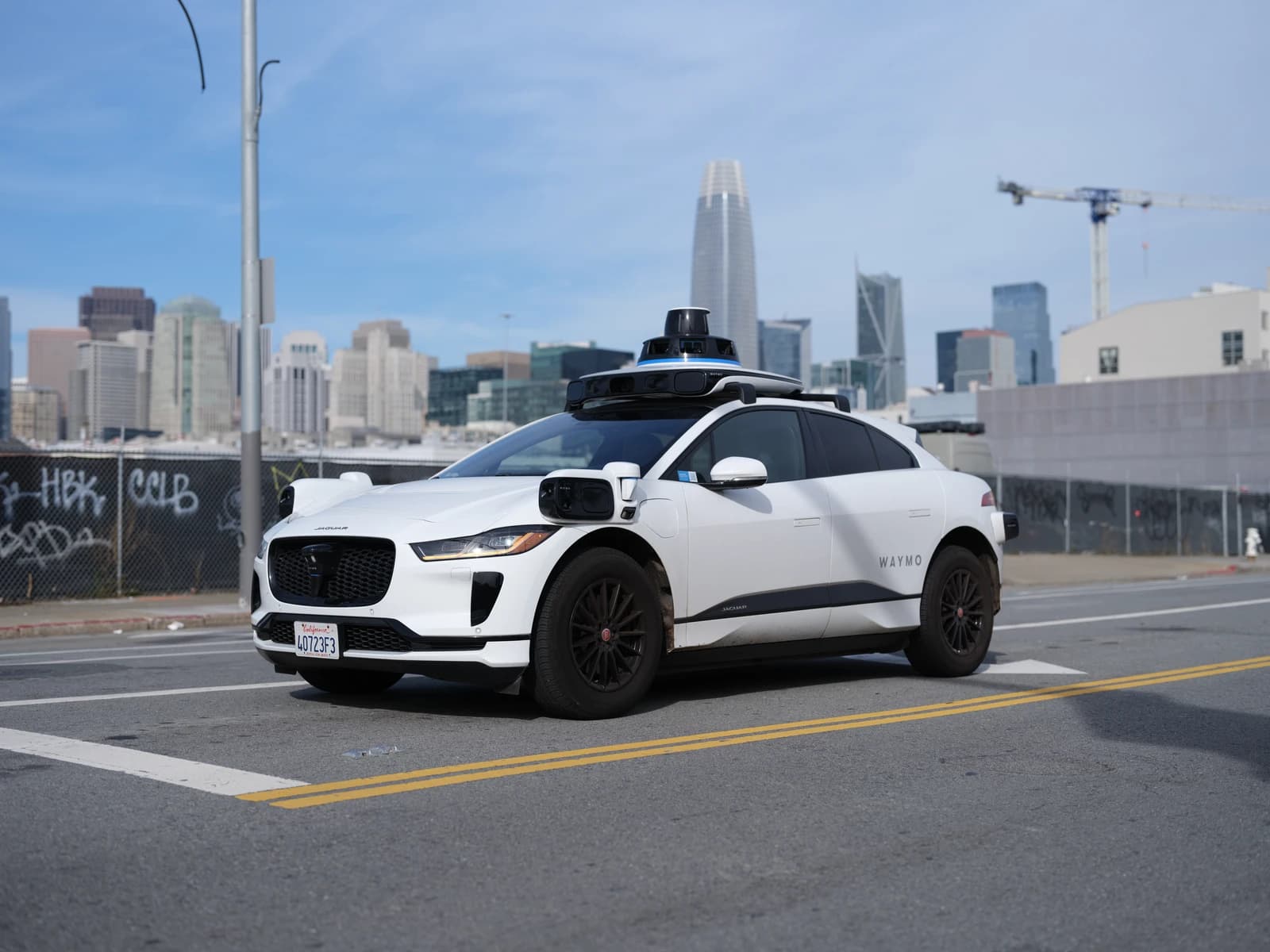
Alphabet’s disclosure of new research on driverless-taxi safety matters because autonomy is moving from a science project to a capital-intensive commercial contest, and safety remains the single biggest hurdle to scaling a robotaxi network. For Alphabet’s Waymo unit, proving that its vehicles can reduce crash risk is central to winning regulators, customers and eventually investors who will have to decide whether autonomous ride-hailing is a growth engine or an expensive side bet.
The broader economic issue is whether autonomous taxis can lower the cost of urban transport enough to reshape a market now dominated by human drivers, fares, insurance and labor regulation. If Waymo can show materially better safety than conventional ride-hailing, the technology could justify higher utilization, lower insurance costs and a more defensible path to fleet expansion. If not, the sector remains constrained by permitting, public trust and the high cost of remote supervision, mapping and fleet operations.
That is why Alphabet’s research lands in a market where investors are already trying to separate durable autonomy franchises from hype. Shares in Alphabet have climbed sharply this year, with the stock recently trading at $377.65, well above its 50-day moving average of $358.18 and its 200-day moving average of $327.25, even as the 14-day RSI sits at 52.6, a sign the rally is no longer stretched. Tesla, by contrast, has been far more volatile and was last at $327.35, below both its 50-day average of $387.05 and its 200-day average of $410.52, with RSI at 26.7, reflecting a much weaker technical picture as the market reassesses the road to profitability in robotaxi deployment.
The contrast highlights the investment split inside the autonomy trade. Alphabet is increasingly being valued for a portfolio of cash-generating businesses that can finance long-duration bets, while Waymo offers a cleaner pure-play option on driverless ride-hailing if the safety case continues to improve. Tesla’s bull case still rests on a massive software-and-fleet rollout, but its bear case is that the economics of scale remain unproven and the regulatory bar for unsupervised operation is still high. For Uber, which trades at $71.99 and has stabilised near its 50-day moving average, the risk is more indirect: safer and cheaper autonomous fleets could eventually pressure the economics of human-driven ride-hailing, even if the transition is gradual.
Regulators and city officials will remain central to the narrative. Safety evidence does not just influence public perception; it determines access to permits, operating domains and expansion speed. The recent mix of taxi-service disruptions, fare-rule delays and transport-safety incidents across markets underscores why authorities are likely to scrutinize every claim from autonomy developers. In that sense, Alphabet’s research is as much a policy document as a product update.
For investors, the key question is no longer whether robotaxis are technically possible, but whether the safety data can support a business model that scales without constant subsidy. Alphabet’s advantage is that it can absorb a long development cycle; the challenge is proving that the economics of autonomy will eventually justify it. If the data continue to improve, Waymo’s value to Alphabet rises. If they stall, the market may keep treating driverless taxis as a promising but distant option rather than a material earnings driver.
| Entity | Gains | Losses |
|---|---|---|
| Alphabet / Waymo | ▲Safety credibility | ▼Faster scaling doubts |
| Tesla | ▲Validation of autonomy market | ▼Pure-play robotaxi narrative |
| Uber | ▲Gradual autonomy partnership optionality | ▼Long-term driver economics |
| Regulators / Cities | ▲Better safety evidence | ▼Pressure to approve faster |