Aluminium Holds Near Tight Supply, Low Inventories
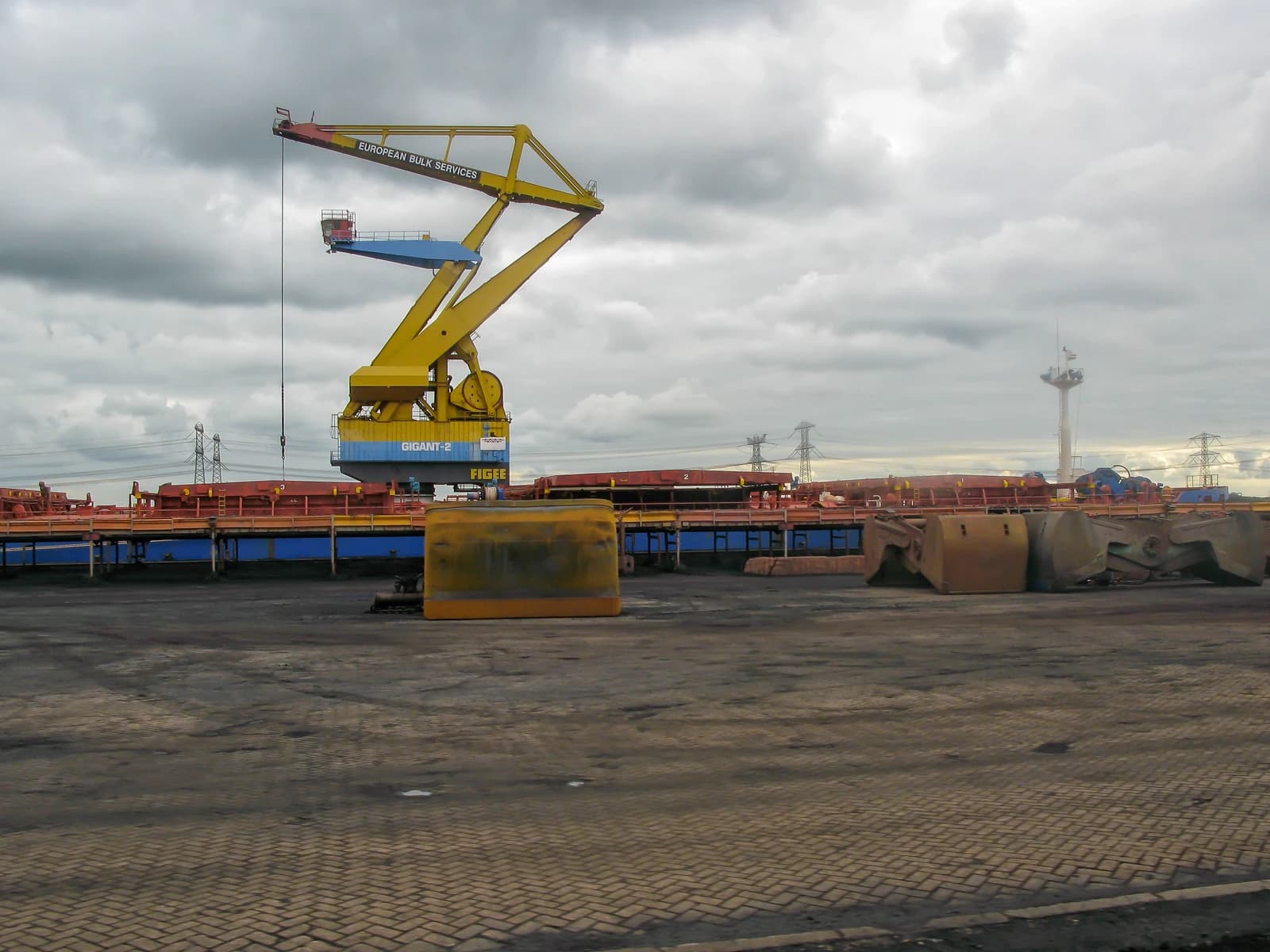
Aluminium’s pullback looks increasingly like a correction inside a larger uptrend, with tight physical supply and higher energy costs set to determine whether the market’s next move is another leg higher.
The metal has already recovered from recent weakness, and the fundamental backdrop argues that dip buyers are not fighting a fading story. Global industrial production sentiment is at an “Extreme Greed” reading in Adalytica’s indicators, while U.S. industry-linked demand signals have strengthened, suggesting the recovery in manufactured activity is still feeding through to base metals. At the same time, the dollar has softened sharply in the latest Adalytica snapshot, a typically supportive backdrop for dollar-priced commodities.
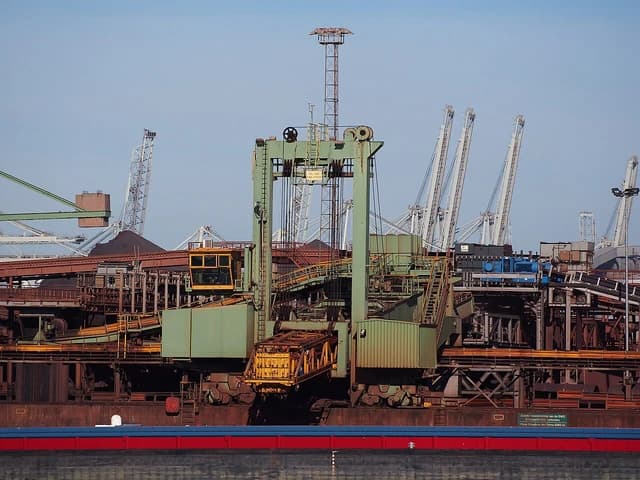
Supply remains the bigger story. LME aluminium inventories are said to be at their lowest levels this century, a striking sign that the market is still operating with little cushion. That matters because aluminium is one of the most power-intensive industrial metals, so any rise in energy costs quickly squeezes smelter economics and can force higher marginal pricing. The combination of low stocks and expensive power leaves the market vulnerable to even modest disruptions in production or trade flows.
Geopolitics is adding another layer of support. War-related disruptions tied to Ukraine and continued uncertainty around Russia-linked alumina and aluminium flows have kept traders focused on availability rather than demand destruction. In a market where inventory cover is thin, the risk premium can matter as much as outright consumption growth.
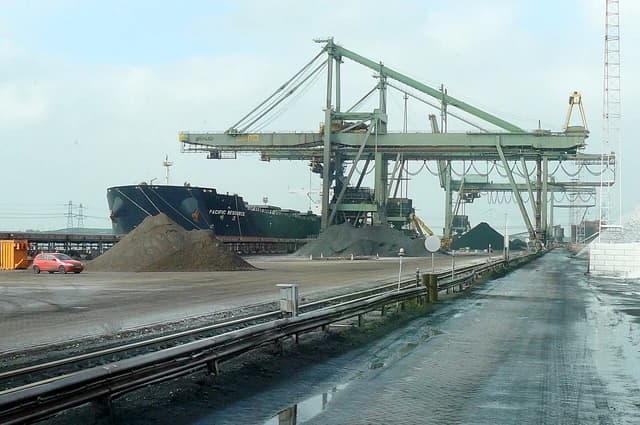
For producers, that is a powerful earnings tailwind. Vedanta Aluminium’s latest quarterly results underscore how quickly margins can expand when prices rise faster than input costs. The company reported a 205% jump in quarterly profit and raised a dividend, while brokerages turned constructive on the stock. That sort of earnings leverage is why aluminium producers tend to outperform when the market turns tight.
The bull case is straightforward: if energy prices remain firm, inventories stay low and supply disruptions persist, aluminium could extend its recovery and reward producers with higher cash flow. The bear case is that a broader industrial slowdown or a faster-than-expected restart in supply could cap gains and expose the market’s recent rally as a temporary squeeze rather than a durable cycle turn.
For investors, the key is that aluminium is moving less like a simple commodity bounce and more like a supply-constrained market with optionality on the upside. The next catalyst will be whether stocks keep draining and whether power markets or geopolitics tighten the physical balance further. If they do, the correction may end up looking like a pause before the next advance.
| Entity | Gains | Losses |
|---|---|---|
| Aluminium producers | ▲Higher margins | ▼Input-cost pressure |
| Smelters with cheap power | ▲Pricing leverage | ▼High-energy rivals |
| Industrial consumers | ▲Lower spot prices on dips | ▼Higher raw-material costs |
| Shorts/cautious traders | ▲Volatility opportunities | ▼Potential squeeze losses |