Aluminum frame makers face softer pricing and margins
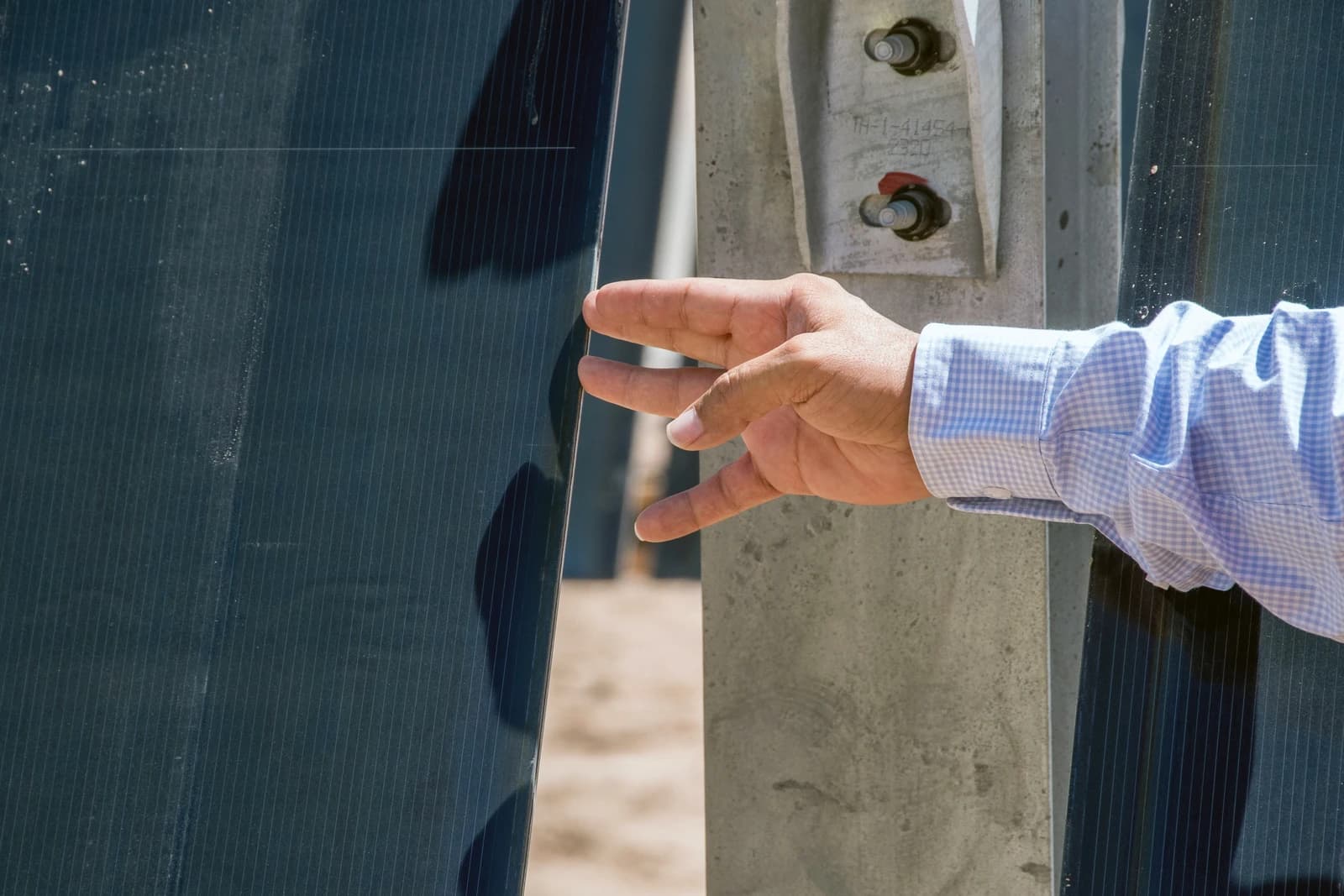
PV aluminum frame makers are still consolidating, but the industry’s pricing backdrop is deteriorating as aluminum benchmarks soften and forward oversupply keeps pressure on margins.
The immediate issue is not demand collapse so much as a slow squeeze in an already crowded market. Solar-frame producers have benefited from a period of consolidation, which usually supports discipline on pricing and capacity. But that has been offset by a weaker macro tone in aluminum and by inventories that remain too heavy relative to expected demand, leaving little room for a sustained rebound in frame profitability.
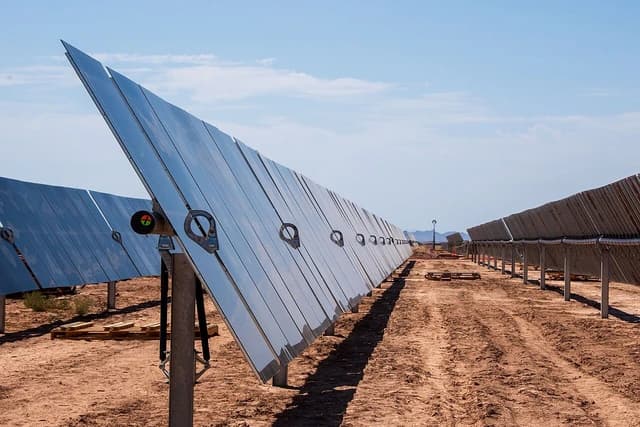
That matters because aluminum is the key input for PV frame manufacturing, and the cost curve is still being shaped by broader commodity and rates conditions. The U.S. aluminum producer price index, a broad measure of industrial metal pricing, was forecast to rise to 289.769 in August from 284.057 in July, but the monthly trajectory has been choppy and does not yet point to a clean upward trend. Meanwhile, U.S. crude at around $83.85 a barrel and a 10-year Treasury yield near 4.68% underscore a macro environment that is not offering much relief on financing or energy costs.
For listed names, the split is becoming more visible. Alcoa, which has been volatile this year, closed at $49.72 on Aug. 26, below its 50-day moving average of $49.63 and well under its 200-day average of $57.02, a sign that the recent rebound in the stock has cooled. Century Aluminum ended at $43.95, also below its 50-day and 200-day averages, while Nucor at $252.80 remains above both averages but is coming off a sharp reset from recent highs. The technical picture does not change the fundamental story, but it reflects the same market caution around metals pricing and downstream earnings durability.
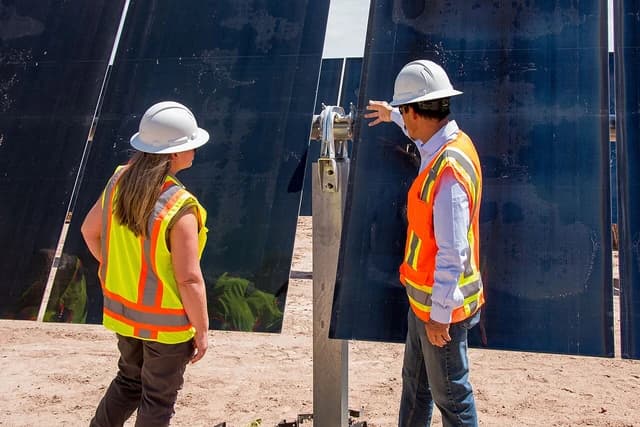
The bull case is that consolidation in PV aluminum frames eventually tightens supply, allowing surviving producers to defend margins once restocking improves. The bear case is that oversupply persists long enough to cap any pass-through from firmer metal prices, leaving frame makers exposed to weak spot demand and inventory liquidation. That would be especially painful if trade frictions ease only slowly and export recovery in Canada and other producers remains uneven.
For investors, the key question is whether the current phase is a cyclical pause or the start of a longer margin reset. If aluminum prices stay soft while inventories stay elevated, downstream manufacturers will have limited leverage to raise prices, and earnings could lag even if solar installations remain resilient. If supply discipline holds and inventories normalize, the consolidation now under way could give the sector a cleaner earnings base into the next buying cycle.
| Entity | Gains | Losses |
|---|---|---|
| PV frame consolidators | ▲Better pricing discipline | ▼Slower volume growth |
| Aluminum buyers | ▲Lower input costs | ▼Weaker pass-through power |
| Aluminum producers | ▲Potential restocking later | ▼Near-term price pressure |
| Investors in metal stocks | ▲Eventual rebound optionality | ▼Margin compression risk |