Amazon, Apple, Hoka Launch Early Labor Day Discounts
Early Labor Day discounts are already hitting Amazon, Apple and athletic brands such as Hoka as retailers move to lock in shoppers before the holiday weekend, a sign that the battle for discretionary spending is starting earlier and could shape margins across retail.
The significance is not just that prices are lower. The early rollout shows retailers are leaning on promotion to defend traffic at a time when households are still willing to spend, but are also increasingly selective. That combination matters because it can support unit volume while squeezing gross margins, especially for ecommerce and consumer brands that depend on couponing, bundles and flash sales to clear inventory.
Amazon shares have held above their 200-day moving average and were trading around $261.38 in the latest session, with the 50-day average near $252, suggesting the market is still willing to look through near-term promotion pressure if sales volumes remain strong. Apple, which often uses seasonal deal periods to support accessory and services attachment, was near $315.08, also above its 200-day average of about $282. Hoka-maker Deckers and other footwear names are not in the price data here, but the broader athletic category has been under pressure to discount to move slower inventory.
That is where the investor question starts. For Amazon, aggressive holiday-style selling can deepen marketplace engagement and support higher order frequency, but it also raises the risk that third-party sellers and Amazon itself sacrifice take rates to stay competitive with Walmart, Target and Best Buy. For Apple, promotional windows tend to be more measured, yet even modest discounting can help defend iPhone and Mac ecosystem share when consumers are hunting for value. For brands like Hoka and Patagonia, early markdowns can protect shelf space and revenue momentum, but prolonged discounting can weaken premium positioning.
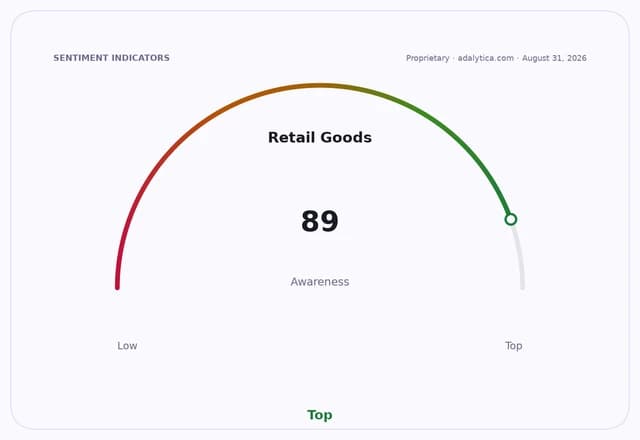
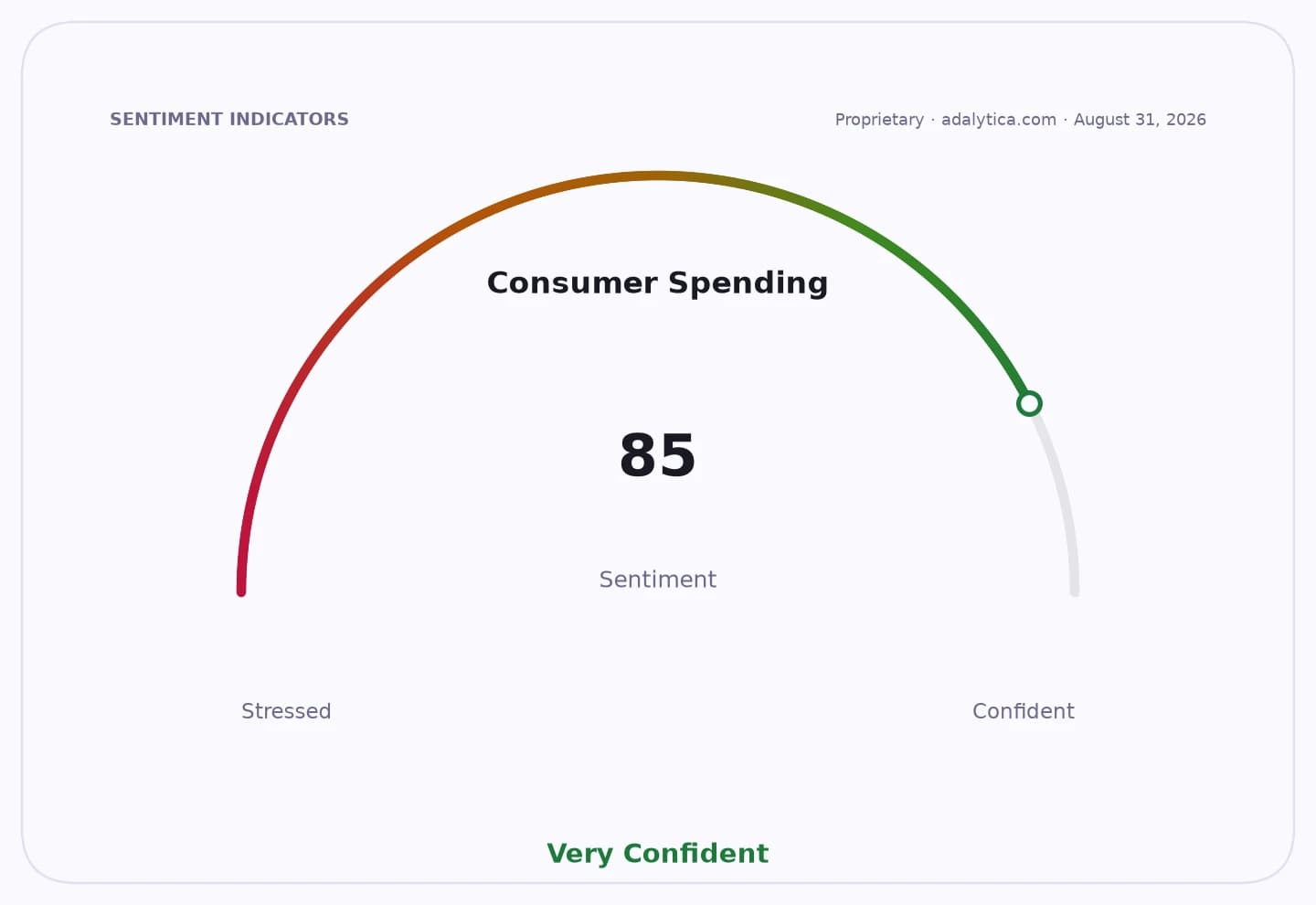
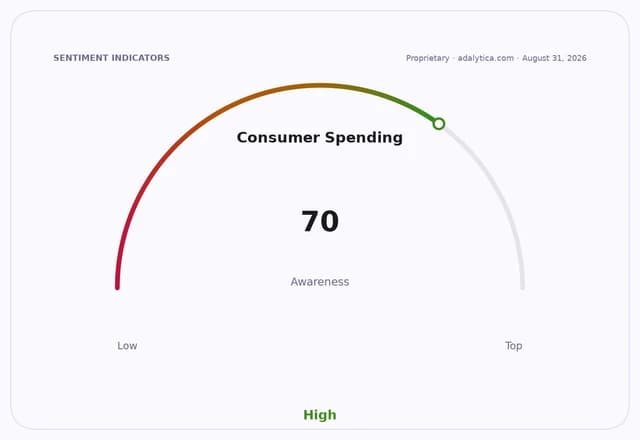
The broader retail backdrop points to a market that is still spending, but with a bias toward value. Adalytica’s Consumer Spending Sentiment gauge is at 85, labeled Greed, while Retail Goods Spending Sentiment sits at 26, labeled Fear, underscoring the split between appetite for consumption and caution around goods purchases. S&P 500 trade signals also show elevated risk appetite even as awareness remains weak, a mix that often accompanies crowded promotional periods.
If early Labor Day sales are a read on the season ahead, the message is that shoppers are coming, but retailers will have to pay for the traffic. That could favor scale players with efficient logistics and pricing power, while pressuring smaller brands and retailers that rely on full-price selling. The next test is whether the early deals pull demand forward without forcing a deeper markdown cycle in September.
| Entity | Gains | Losses |
|---|---|---|
| Amazon | ▲Higher traffic, basket size | ▼Margin pressure from promotions |
| Apple | ▲Ecosystem sales support | ▼Limited pricing flexibility |
| Hoka / Patagonia | ▲Inventory clearance | ▼Premium brand dilution |
| Smaller retailers | ▲Early demand pull-forward | ▼Harder to match discounts |