Amazon signs supply deal with Autostore
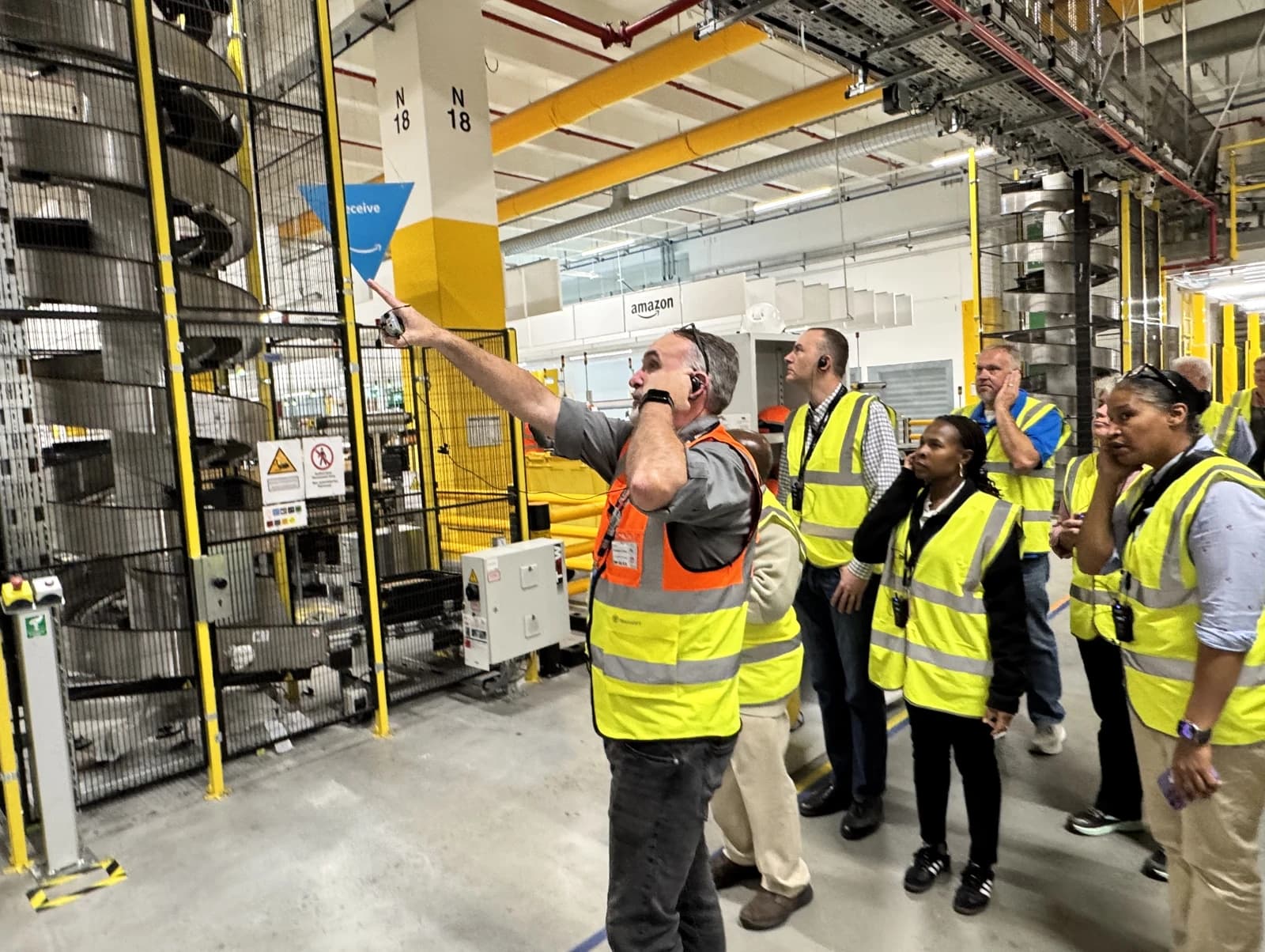
Autostore has signed a supply deal with Amazon, a win for the warehouse-automation group that underscores how online retailers are still spending to speed fulfillment and cut labor costs even after a volatile year in logistics stocks.
The agreement matters because Amazon is one of the world’s biggest buyers of warehouse technology. For Autostore, a relationship with the e-commerce giant can translate into higher volumes, deeper penetration into Amazon’s fulfillment network and a stronger case for other retailers weighing automated storage systems against rising shipping and labor expenses.
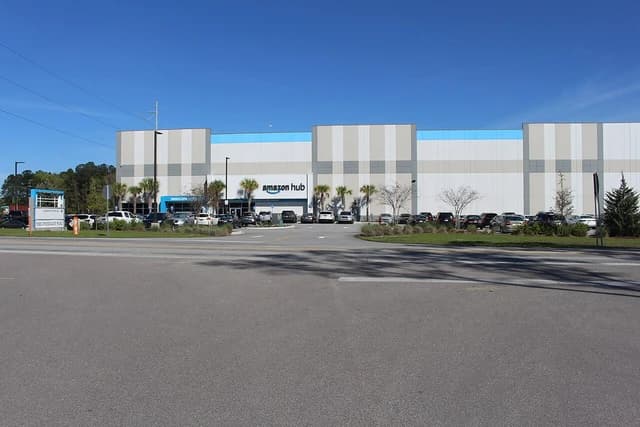
Amazon shares have been volatile but remain near the upper end of their recent range. The stock closed at $267.28 on Aug. 12, above its 50-day moving average of $247.74 and 200-day average of $237.32, after touching $284.02 earlier in the month; RSI readings around 68 suggest the move has been strong, though not without signs of short-term consolidation. Conventional technical indicators also show momentum cooling from the early-August surge, with MACD still positive but below its recent peak.
For investors, the deal reinforces a broader theme in e-commerce: fulfillment automation is becoming a structural spending priority rather than a cyclical add-on. That can support suppliers like Autostore, robotics vendors and integrators, while potentially pressuring margins for retailers if capital spending stays elevated. Amazon has also signaled in its filings that inventory management, fulfillment throughput and network optimization remain key cost drivers.

The timing is notable as warehouse resilience has become a geopolitical and operational issue well beyond the U.S. market. Recent attacks on logistics infrastructure in Russia, including damage to Wildberries warehouses, have highlighted how exposed distribution networks can be when storage and delivery assets are disrupted.
For Amazon, the deal fits a wider push to automate more of its supply chain ahead of the holiday period and into 2027 capital planning. For Autostore, the question now is whether the Amazon relationship leads to repeat orders, broader deployment and a faster path to revenue growth.
| Entity | Gains | Losses |
|---|---|---|
| Autostore | ▲Larger customer reach | ▼Higher execution risk |
| Amazon | ▲Faster fulfillment automation | ▼More capex pressure |
| Warehouse automation peers | ▲Sector validation | ▼Tougher competition |
| Labor-intensive logistics models | ▲None | ▼Automation displacement |