Amazon and Flipkart Expand Into Quick Commerce
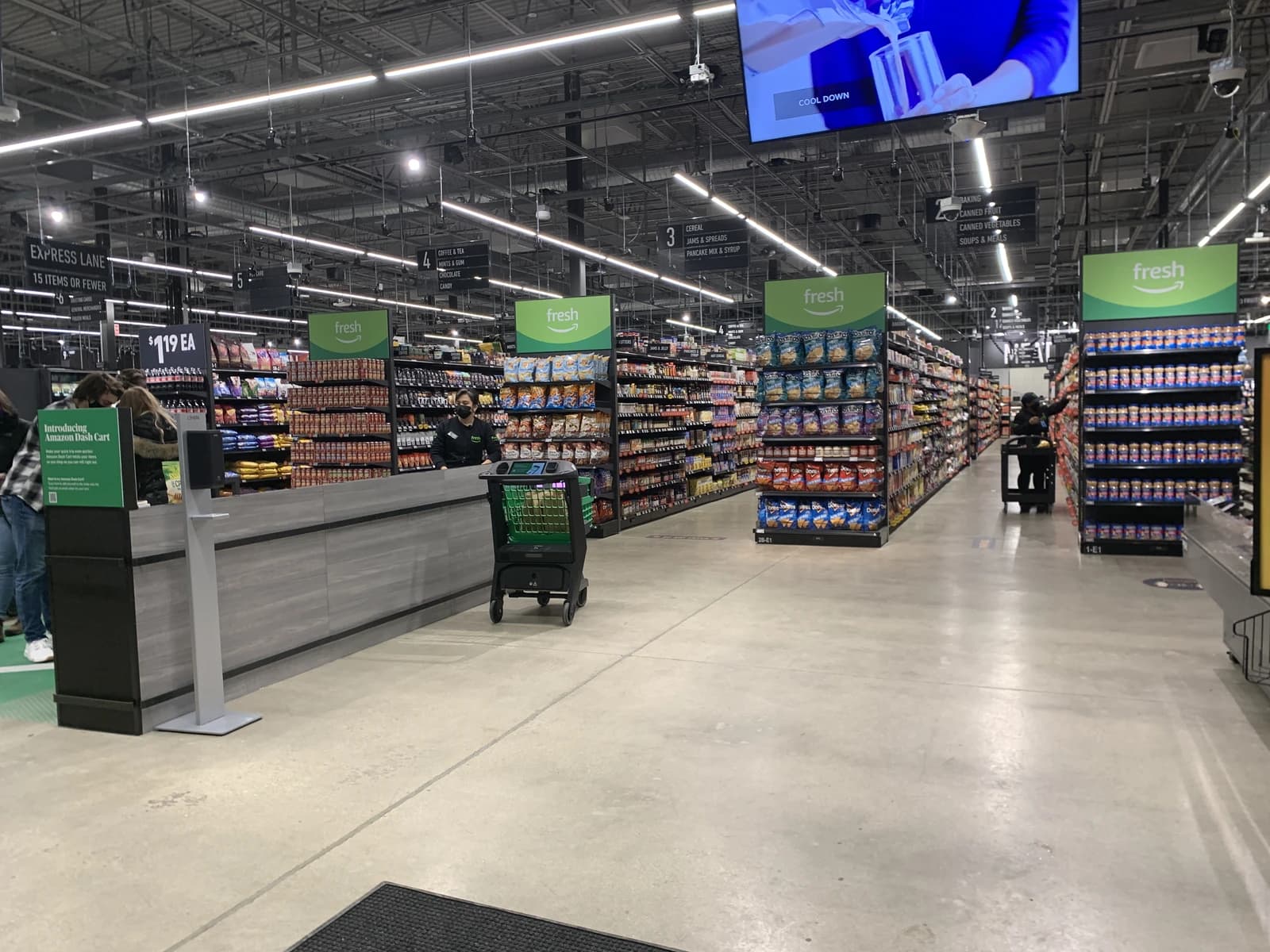
Flipkart and Amazon are pushing hard into 10-minute delivery, streaming and food delivery because their grip on India’s online shoppers is weakening, and that matters far beyond a simple product expansion. The fight now is no longer just for ecommerce orders — it is for consumer attention, repeat usage and the daily transactions that decide who owns the next phase of digital retail.
The stakes are rising because the shift in user share is real and measurable. Combined monthly active users for Flipkart and Amazon fell to 53% in August 2026 from 67% in 2022, according to the data cited in the source report, while quick commerce apps lifted their share to 16%. That is a meaningful loss of traffic for two platforms that once defined Indian online shopping and a strong sign that convenience, not just assortment, is becoming the decisive competitive edge.
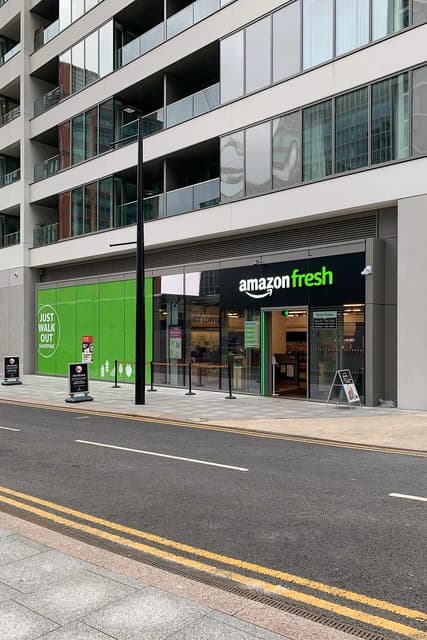
For investors, the message is simple: the old ecommerce playbook is no longer enough. If shoppers are migrating to faster fulfillment and more frequent app usage, the winners will be the companies that build an ecosystem around the customer, not just a marketplace around the cart. That helps explain why Amazon and Flipkart are moving into microdramas, in-app OTT video and food delivery. These are not random side bets. They are attempts to increase engagement, create habit and keep users inside the app long enough to preserve advertising, checkout and logistics economics.
There is also a broader economic angle here. Quick commerce is expensive to operate, but it is increasingly shaping consumer expectations in urban India, where convenience is becoming a major purchase driver. That can pressure margins in the near term as big platforms spend more on fulfillment, incentives and content, but it also opens a much larger long-term prize: a larger share of household spending and a deeper relationship with customers across categories. For a business like Amazon, whose shares have remained well above the 200-day moving average in the provided price data despite recent pullbacks, the market is still willing to reward scale and optionality — as long as management can show the new businesses strengthen the core.
Walmart-backed Flipkart faces a similar test. It cannot simply defend its e-commerce base; it has to prove it can compete in the faster, stickier world that rivals like quick commerce specialists have created. In that sense, the real competition is not just between Amazon and Flipkart, but between broad digital ecosystems and narrow-commerce specialists that win on speed.
Long-term investors should view this as a classic platform transition. The companies that win in India’s next decade of online consumption will be those that turn shopping apps into daily-use apps. That will take time, capital and a willingness to sacrifice some margin today for a larger share of the customer tomorrow. For investors with a multiyear horizon, the right question is not whether quick commerce is costly — it is whether these giants can use it to defend relevance and deepen their moats. Worth watching closely.
| Entity | Gains | Losses |
|---|---|---|
| Quick commerce apps | ▲More active users | ▼Legacy ecommerce share |
| Amazon and Flipkart | ▲New engagement channels | ▼Margin pressure |
| Consumers | ▲Faster delivery and more content | ▼Fewer platform-switching costs |
| Long-term investors | ▲Bigger ecosystem upside | ▼Near-term profitability |