Amazon, Home Depot, Walmart Labor Day Sales
Consumers are heading into Labor Day with record-high holiday gas prices, but that squeeze is precisely why the best deals at Amazon, Home Depot and Walmart matter: they are pulling demand forward into a weekend built around value hunting, and the retailers that can defend traffic with aggressive markdowns are best positioned to win the season.
The economic backdrop is not friendly. Labor Day weekend gas prices have topped $4 a gallon for the first time on the holiday, raising the cost of every road trip and likely nudging some households to stay closer to home. At the same time, summer price increases tied to tariffs, higher component costs and a RAM shortage have already left consumers more sensitive to sticker shock. That makes Labor Day less of a simple shopping event than a pressure valve for stretched wallets.
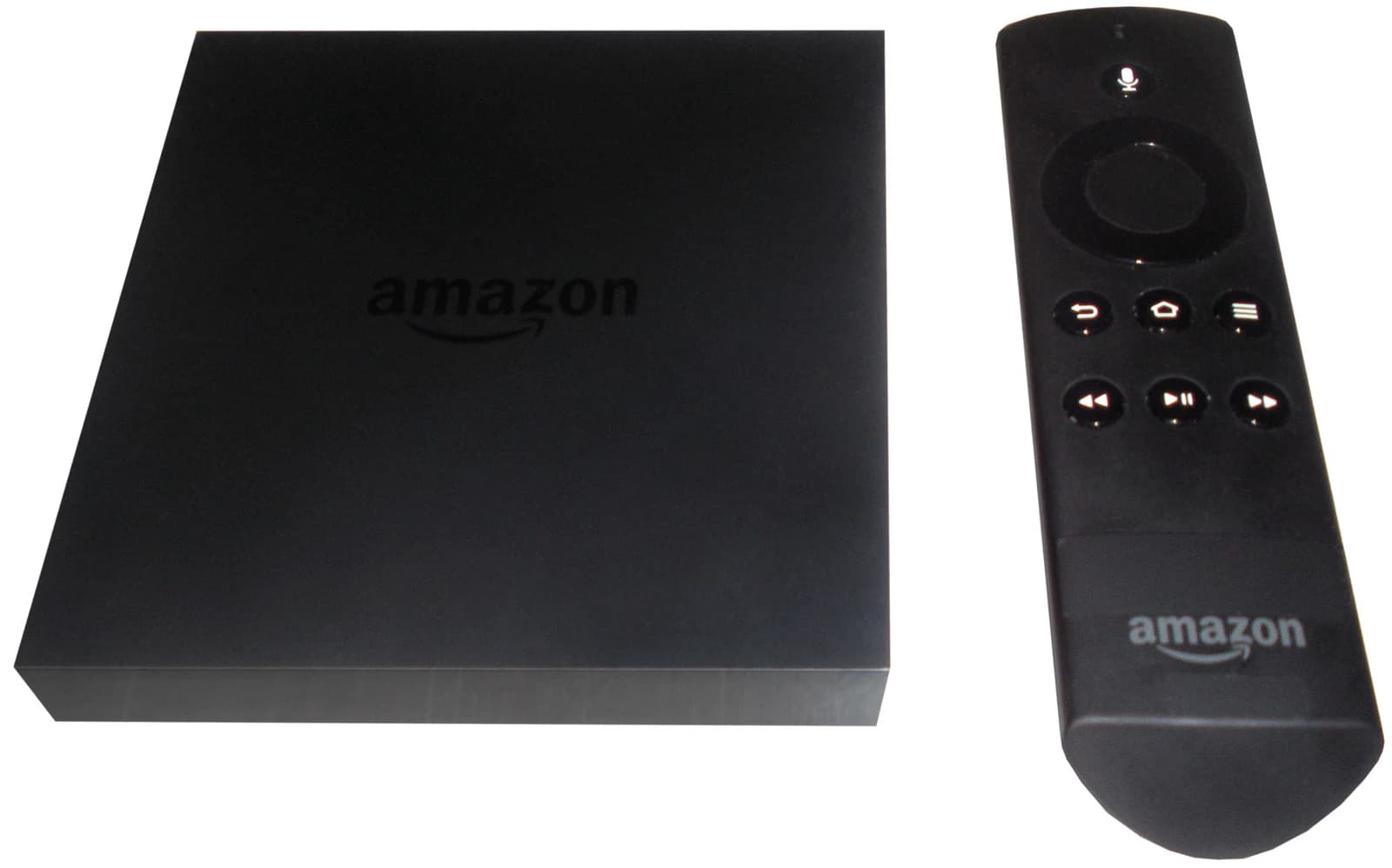
Amazon is leaning hardest into that dynamic. The company is offering up to 45% off sitewide in its Labor Day sale, with Echo devices starting at $29 even after Amazon recently raised hardware prices by as much as 61%. That is the key tension investors should watch: Amazon can use promotions to keep its marketplace ecosystem sticky, but if higher input and tariff-related costs persist, its hardware line is increasingly exposed to margin pressure. The discounting also underscores Amazon’s broader advantage as a traffic magnet when consumers are hunting for essential purchases and seasonal buys in one place.
Home Depot is playing a different but equally important role in the same value trade. The chain is using Labor Day to clear patio furniture and outdoor accessories, with deals from $15, as shoppers shift from summer spending to fall projects and home refreshes. That matters because home improvement demand has been uneven, and retailers with strong pro and omnichannel traffic are better able to offset a cautious consumer. The retailer’s latest filing showed comparable sales rising 1.7% in the second quarter, helped by a 2.8% increase in average ticket, suggesting pricing discipline still has room to matter even in a promotional market.
Walmart is also benefiting from the same “buy now, save later” psychology, with patio items from $15 and broader clearance activity aimed at budget-conscious households. The retail winner here is not the highest-priced brand, but the one that can absorb inflation, logistics costs and consumer stress while still making the trip feel worthwhile. That is why discount-heavy Labor Day events have become more than seasonal theater: they are a live read on who can capture spending when consumers are hunting for relief.
The stock setup reflects that divide. Amazon shares have recovered well above their 200-day moving average, but the recent pullback from August highs shows investors are still sensitive to whether promotions and hardware price hikes balance out. Home Depot remains below its 200-day moving average, a sign the market is still waiting for clearer proof that discretionary home spending can reaccelerate. Walmart, meanwhile, has held up better than most retailers because investors see it as a defensive beneficiary when consumers trade down.
My view is that Labor Day sales are less about one weekend of bargains than about the next leg in retail market share. When gas is expensive, inflation is still biting and shoppers are chasing deals, the winners are the platforms that control traffic, own everyday essentials and can monetize lower-income pressure without losing the customer. That points to Amazon, Walmart and, selectively, Home Depot as the key beneficiaries of a consumer who is still spending — but far more selectively.
If you are positioning for the next phase of retail, I would lean into the operators with scale, digital reach and pricing power over pure cyclical exposure. The best Labor Day sale is not just a discount; it is a signal of which retailers can keep winning when households are forced to shop with a calculator.
| Entity | Gains | Losses |
|---|---|---|
| Amazon | ▲traffic and marketplace loyalty | ▼hardware margins |
| Home Depot | ▲seasonal clearance sales | ▼discretionary demand softness |
| Walmart | ▲trade-down shoppers | ▼premium retailers |
| Consumers | ▲short-term savings | ▼higher travel costs |