Amazon October discounts pull holiday spending forward
Amazon is using a wave of sub-$50 fall discounts to pull spending forward ahead of its October Prime Big Deal Days event, a move that could sharpen competition for a consumer already showing signs of stress and shift part of holiday demand into the early fourth quarter.
The immediate significance is less about bargain hunting than timing. By front-loading promotions, Amazon can lock in traffic, lift basket sizes and pressure rivals before the critical holiday season fully opens. That matters because retail demand is increasingly being fought over on price, with consumers more selective and promotional intensity likely to remain elevated into year-end.
The backdrop suggests Amazon is entering the season with both operational leverage and market power. The company’s shares have climbed sharply this year, though recent price action shows some cooling from earlier highs; the stock closed at $253.54 on Sept. 14, still above its 200-day moving average of $239.93 but just below the 50-day average of $255.47. That puts the market in a wait-and-see mode ahead of the October sales event, when investors will be looking for evidence that promotions translate into volume without destroying margin.
For Amazon, the strategy is consistent with its long-standing model: use convenience, selection and aggressive pricing to keep shoppers inside its ecosystem. The more consumers treat October as the start of holiday shopping, the more Amazon can capture discretionary spend before competitors ramp promotions. That could help support revenue growth in a quarter that typically carries the most weight for retail performance.
But the same tactic raises the margin question that investors will not ignore. Heavy discounting can boost unit sales, yet it can also compress retail profitability if the mix shifts toward lower-ticket items and higher shipping costs. Amazon’s most recent filing said cost of sales rose on higher product and shipping costs, even as operational efficiencies helped offset some of the pressure. A sale built around inexpensive items may widen traffic, but it also risks adding low-margin volume at a time when the company is still balancing logistics spending, advertising and investment in growth businesses.
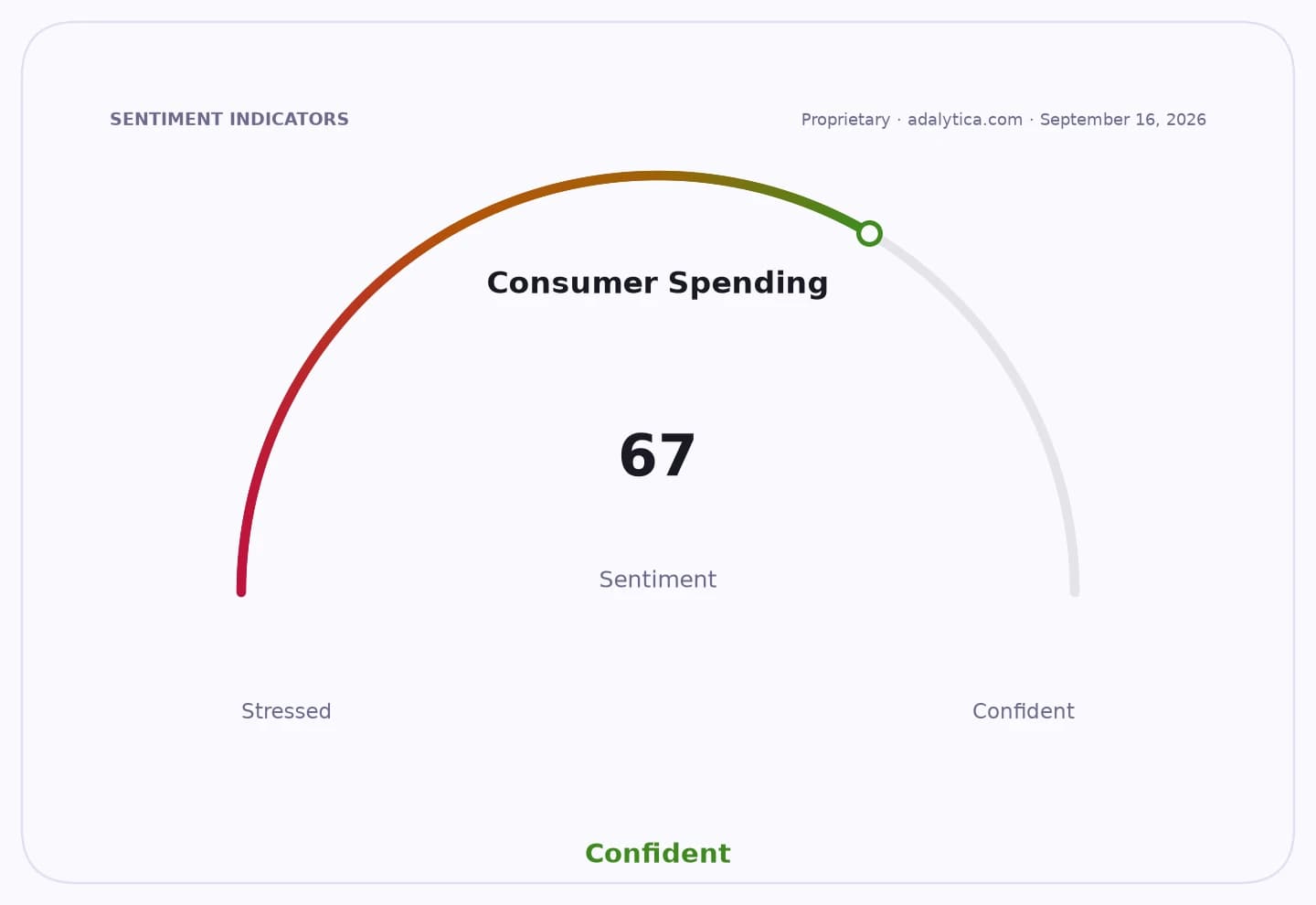
The broad consumer picture is mixed enough to make the promotion important. Adalytica’s Consumer Spending Sentiment reading sits at 67, marked neutral, while Retail Goods Spending Sentiment is in extreme fear at 7. That split suggests households may still be willing to spend, but only when the deal is compelling. For Amazon, that can be an advantage: tighter budgets typically favor the dominant marketplace with the widest discount selection.
That dynamic also matters for e-commerce rivals and merchants that sell through Amazon’s platform. EBay shares have recovered to $108.99, with the stock above both its 50-day and 200-day moving averages, but its marketplace model is more exposed to consumer couponing and promotional churn. If Amazon’s October event captures a larger share of early holiday demand, smaller retailers and alternative platforms may face a more competitive backdrop as they try to protect traffic and gross margin.
The key investor takeaway is that this is not just a consumer promotion story. It is a test of Amazon’s ability to convert its retail scale into seasonally important cash flow while keeping investors comfortable with profit discipline. If the October deals drive strong engagement without a sharp margin hit, the stock could get another leg higher. If discounting proves deeper or broader than expected, the market is likely to focus on the cost of defending share in an increasingly price-sensitive consumer economy.
| Entity | Gains | Losses |
|---|---|---|
| Amazon | ▲Early holiday traffic | ▼Retail margins |
| Bargain shoppers | ▲Lower prices | ▼Full-price sellers |
| E-commerce rivals | ▲— | ▼Share of early spending |
| Amazon investors | ▲Sales momentum | ▼If discounts erode profit |