Amazon Prime Day: Sales, margins and consumer demand
Amazon’s Prime Day sale is in its final hours, and the most important story for markets is not the coffee makers or toothbrushes but the continued use of event-driven discounting to pull forward consumer spending at a time when shoppers remain selective and retailers are fighting for share.
The promotion, which ends Friday, June 26, is designed to convert deal traffic into near-term sales across categories that matter for household budgets and retailer margins: electronics, home goods, personal care and convenience items. The featured discounts — including 60% off a Ring battery doorbell, 50% off a Philips Sonicare toothbrush and 46% off a Keurig single-serve coffee maker — show Amazon still has the ability to drive high-intent purchases through limited-time pricing rather than broad, permanent markdowns.
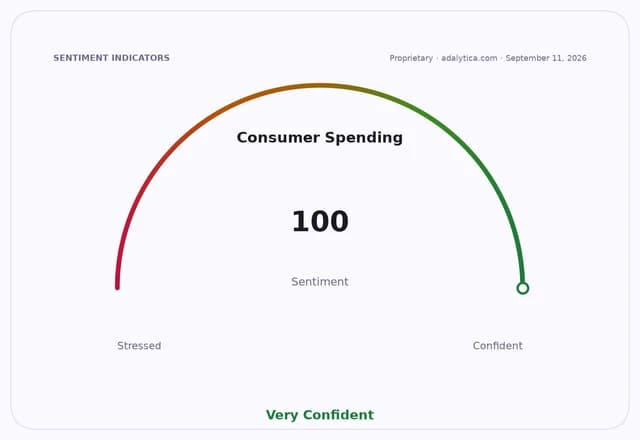
That matters economically because Prime Day has become a barometer for consumer demand and promotional intensity in U.S. retail. If shoppers are willing to spend on discretionary items during a short sales window, it suggests households are still responsive to value and timing even as inflation pressures linger in the background. If they only buy when discounts are deep, it reinforces the view that demand is being supported by promotions rather than full-price appetite, a less profitable mix for sellers.
For Amazon, the event is about more than merchandise volume. Prime Day is a customer-acquisition and retention machine that keeps members inside the Amazon ecosystem while helping the company showcase its logistics, advertising and third-party marketplace reach. Deals on Amazon-branded or closely tied products such as the Kindle Paperwhite and Ring doorbell also keep the company’s own hardware portfolio in front of consumers, which can support longer-term engagement even when margins are slim on the promoted items themselves.
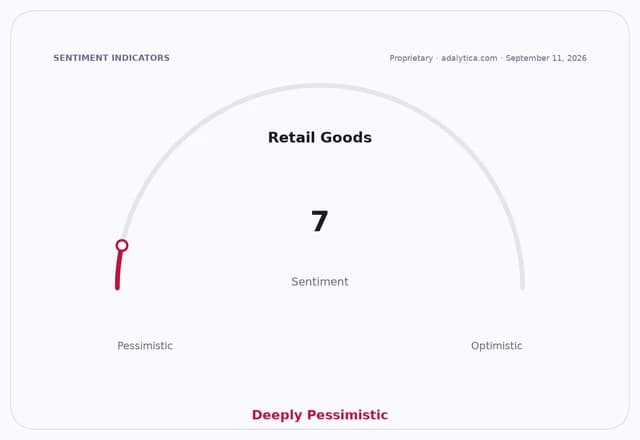
Investors tend to read Prime Day through two lenses. The bull case is that Amazon can still drive traffic, unit volume and Prime membership value, while sellers accept lower margins in exchange for visibility and conversion. The bear case is that the need for aggressive discounts reflects a cautious consumer, heavier competition from Walmart and other retailers, and a promotional environment that could cap profitability if discounting spills into the second half of the year.
That competitive backdrop is visible in the stocks of the major retail names. Amazon shares have been volatile but remain above both the 50-day and 200-day moving averages, with recent technical readings showing a loss of momentum from earlier summer highs. Walmart and Costco have also traded with mixed signals, reflecting a market that is trying to balance resilient spending on necessities against pressure on discretionary purchases and price-sensitive shopping behavior.
The broader narrative is that Prime Day is no longer just a sales event; it is a tactical test of consumer elasticity and retailer pricing power. With Amazon and rivals leaning on short-lived markdowns to keep baskets moving, investors will be watching not only how quickly these deals sell through, but whether the pattern carries into back-to-school and holiday promotions, where the real read-through for retail margins will emerge.
| Entity | Gains | Losses |
|---|---|---|
| Amazon | ▲Traffic and Prime engagement | ▼Margin on promoted items |
| Shoppers | ▲Short-term savings | ▼Risk of impulse buys |
| Third-party sellers | ▲Higher conversion | ▼Lower pricing power |
| Walmart/Costco | ▲Spillover shopping interest | ▼Share to Amazon during event |