Amazon raises U.S. minimum wage to $20 an hour
Amazon is lifting its U.S. minimum starting wage to $20 an hour for full-time core operations employees, a move that shores up staffing ahead of the holiday peak and underscores how persistent labor costs are reshaping retail economics at the world’s biggest e-commerce company.
The pay increase, up $1 an hour, will apply to warehouse and other frontline workers in its core operations and is being extended to Canadian warehouse staff as Amazon faces ongoing union pressure there. The company is also adding new grocery and banking benefits, broadening total compensation at a time when employers are competing harder for workers even as overall U.S. job vacancies have fallen to a five-year low.
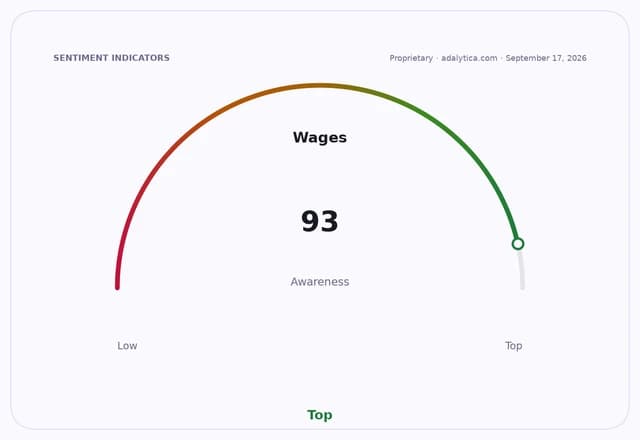
For Amazon, the immediate economic significance is straightforward: labor remains one of the largest controllable costs in its fulfillment network, and any wage reset filters directly into margins. The company has spent years automating warehouses and tightening productivity, but the need to raise entry pay suggests frontline retention and hiring still require ongoing compensation support, especially before the year-end shopping surge. That matters because fulfillment efficiency is central to Amazon’s retail profitability and to its ability to deliver faster without surrendering economics to rivals.
The move also fits a wider corporate pattern. Large employers have been using higher base pay, better schedules and benefit enhancements to reduce churn and stabilize operations, particularly in logistics-heavy businesses where turnover can be expensive. Amazon’s combination of higher wages and new employee perks is aimed less at headline generosity than at protecting throughput and service levels when demand is highest. In that sense, the company is buying reliability.
Investors will read the announcement through the lens of margin discipline. Amazon has been working to expand operating leverage across retail and cloud, and wage increases cut in the opposite direction unless offset by productivity gains, automation or pricing power. The question is not whether Amazon can afford a $1-an-hour increase — it can — but whether labor inflation remains sticky enough to slow improvement in its North America retail margin. A better employee package may reduce turnover costs over time, but near term it adds to payroll pressure.
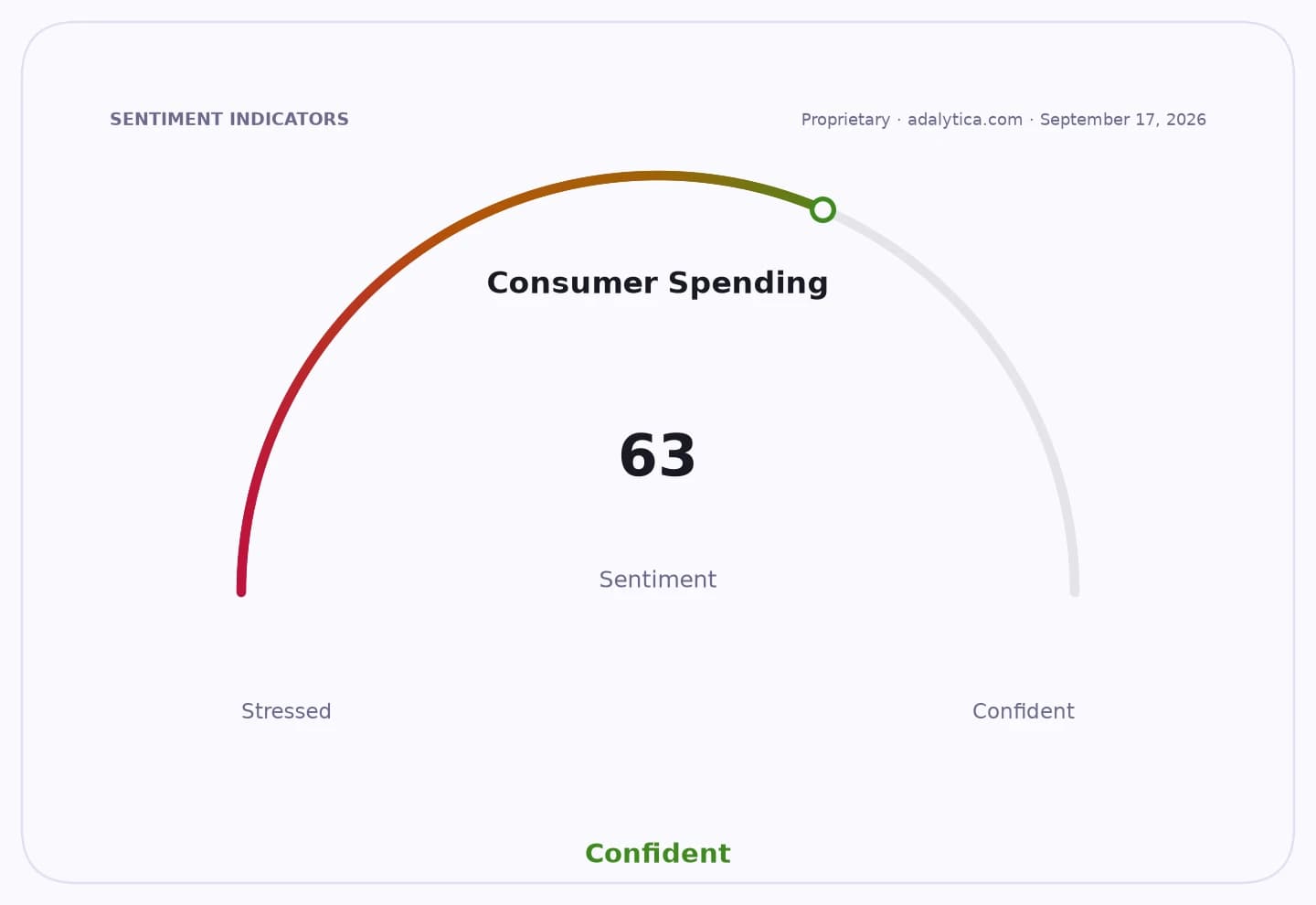
The broader backdrop is a labor market in which employers no longer need to bid as aggressively for every worker, yet still face a structurally tighter hiring environment than before the pandemic. Amazon’s decision suggests large-scale fulfillment operators are still paying up to secure dependable labor, even as consumer spending patterns and warehouse staffing needs become more uneven.
For shareholders, the key catalyst is whether the added compensation helps Amazon enter the holidays with fewer staffing bottlenecks and lower churn, protecting delivery performance without forcing a larger step-up in wages later. If the benefits package improves retention, the cost may be manageable; if not, the move could become another reminder that retail scale does not insulate Amazon from labor pressure.
| Entity | Gains | Losses |
|---|---|---|
| Amazon workers | ▲Higher pay and benefits | ▼— |
| Amazon | ▲Better retention and staffing stability | ▼Higher payroll costs |
| Rivals and peers | ▲— | ▼Risk of wage-pressure spillover |
| Long-term shareholders | ▲Smoother holiday operations if turnover falls | ▼Margin pressure near term |