Amazon hires 3,000 seasonal workers in Australia
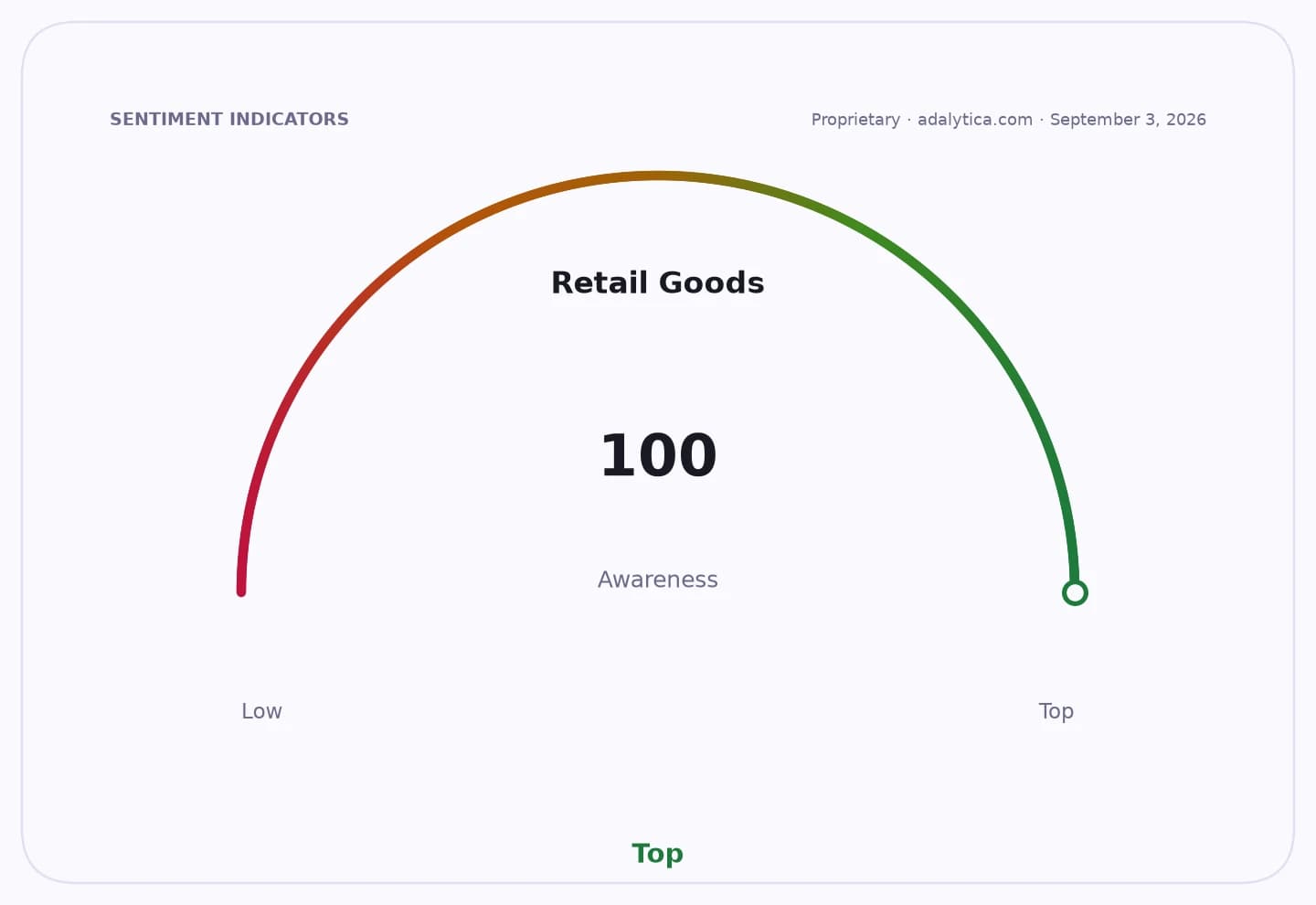
Amazon is hiring about 3,000 seasonal workers across Australia ahead of Christmas, a reminder that even in the age of AI and automation, the holiday shopping surge still depends on a lot of human hands.
For investors, the bigger takeaway is not just that Amazon needs extra pickers, packers and delivery staff at roughly A$35 an hour. It is that the company’s retail machine is gearing up for the most important quarter in the consumer calendar, when fulfillment capacity can determine how much sales growth actually gets through to the bottom line. The mix of retirees, students and jobseekers in the applicant pool also says something about the labor market: flexible, short-term work remains attractive when households are looking for cash flow, even if broader consumer sentiment is only neutral.
That matters because Amazon’s retail business is built on volume, speed and convenience. A strong holiday season can help spread fixed logistics costs across more orders, improve warehouse productivity and reinforce Prime’s value proposition. If demand is healthy, temporary hiring can be a profitable investment. If demand disappoints, it becomes a reminder that retail margins can be thin even for a company with Amazon’s scale.
The announcement also fits a broader pattern across retail. Companies are still leaning into e-commerce fulfillment, local delivery and seasonal staffing to capture year-end spending. That makes labor availability a key operational variable, especially in Australia where holiday demand can be concentrated and staffing shortages can quickly become service bottlenecks.
Amazon shares have already shown how quickly sentiment can swing around growth expectations, with the stock trading well above its 200-day moving average after a volatile year. That kind of move usually reflects confidence in Amazon’s cloud and advertising engines as much as its retail operations, but the holiday hiring push is a useful reminder that the consumer side of the business still matters to earnings quality and investor confidence.
For long-term investors, the story is simple: Amazon is still using scale, logistics and temporary labor to defend its retail franchise while it compounds growth in higher-margin businesses. Holiday hiring alone does not make a stock, but it does show the company is preparing to meet demand rather than chase it. That is usually a good sign for patient shareholders.
| Entity | Gains | Losses |
|---|---|---|
| Amazon | ▲Holiday sales capacity | ▼Labor costs rise |
| Seasonal workers | ▲Extra income | ▼Temporary employment |
| Consumers | ▲Faster fulfillment | ▼Fewer stockouts if staffing slips |
| Competitors | ▲Tougher holiday competition | ▼Share gains harder to win |